The right charcoal determines how long you can cook on your kamado bbq, how stable the temperature stays and which flavour notes come through. Below you'll read exactly what to look out for, for low & slow, for high heat, and everything in between. New to kamado cooking? Then start with what makes ceramic cooking different?
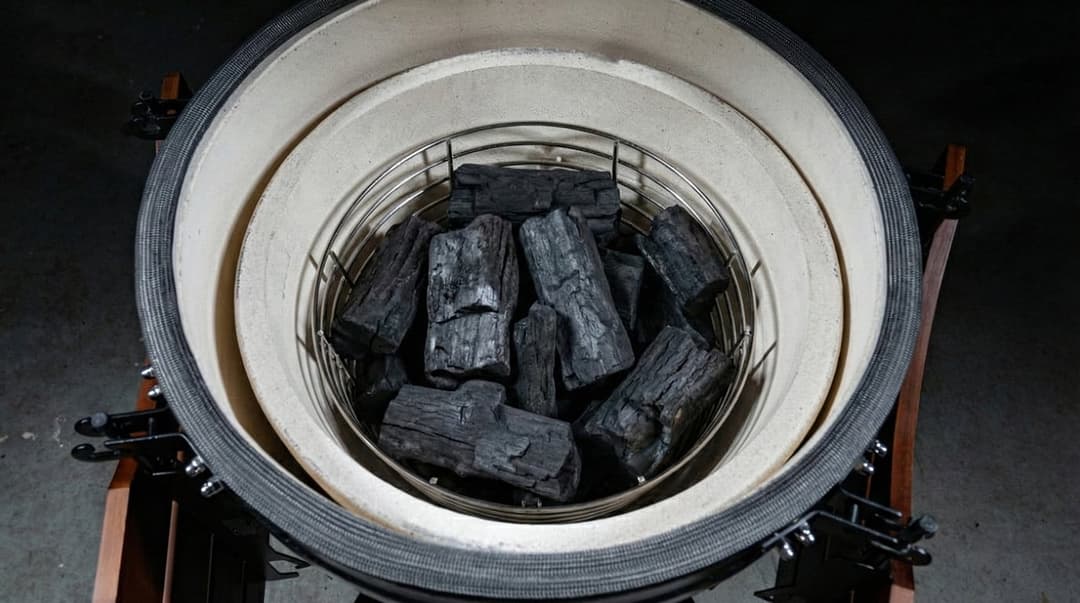
Which charcoal suits your Grill Bill kamado best?

By Bobby
Which charcoal suits your Grill Bill kamado best?
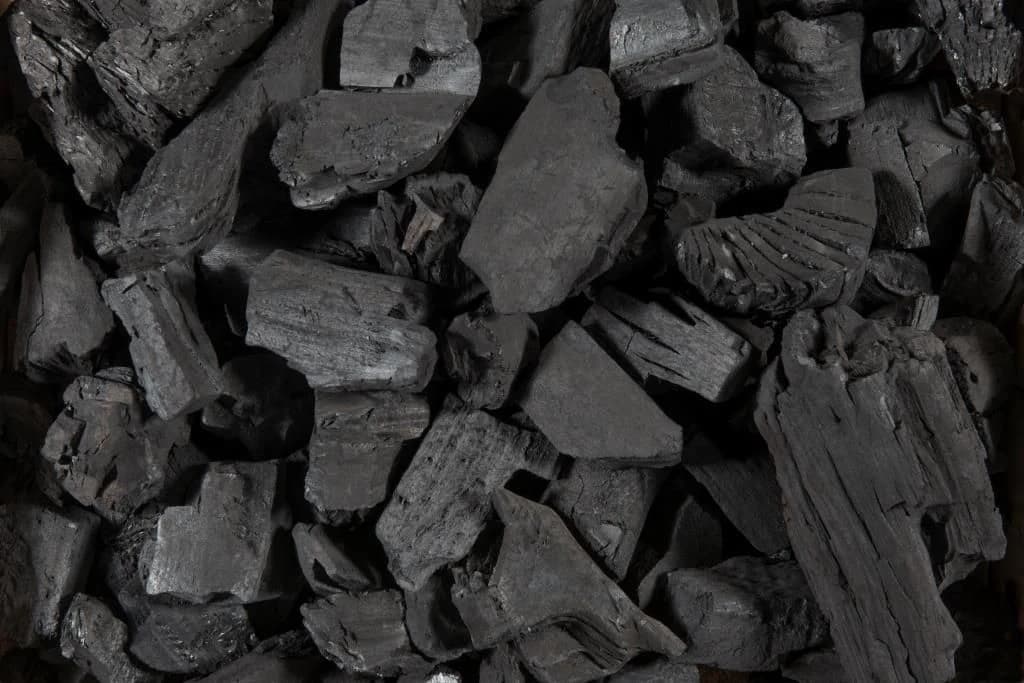
Hardwood charcoal in big, dry lumps works best in a kamado. For low & slow, go for Quebracho Blanco or Marabu, which keep burning for 22 to 24 hours at 100-110 degrees. For pizza and steak at high heat, use a hardwood mix in medium-sized pieces.
- Quebracho Blanco: burn time up to 24 hours, powerful and earthy
- Marabu: burn time up to 22 hours, mild and woody
- Oak for beef, birch for poultry and fish
- High heat: a hardwood mix in medium-sized pieces
- Coconut briquettes only; ordinary briquettes contain binding agents
Comparison table: charcoal types for the kamado
There are a few more types out there, plus blends mixed from these. But these are the most common woods available in the Netherlands. You can also order this charcoal online.
Wood types side by side
Compare4 models
Burn time
Heat
Smoke flavour
Suitable for
Quebracho Blanco
⭐⭐⭐⭐⭐ (up to 24h)
Very high
Powerful, earthy
Low & slow, pizza, steak
Marabu
⭐⭐⭐⭐⭐ (up to 22h)
Very high
Mild, woody
Low & slow, long sessions
Oak
⭐⭐⭐⭐
High
Classic, all-round
Beef, pork, game
Birch
⭐⭐⭐
Medium-high
Light and fruity
Poultry, fish
Beech
⭐⭐⭐
Medium-high
Mild and neutral
Anything, also for beginners
Acacia
⭐⭐⭐
Medium-high
Subtle, almost neutral
Delicate dishes, fish
Coconut briquettes
⭐⭐⭐
Medium-high
Neutral
Short sessions, little ash
Cheap charcoal
⭐
Variable
Variable
Not recommended for kamado
Hardwood vs. softer wood: what's the difference?
Charcoal made from hardwood, such as oak, quebracho or marabu, consists of dense pieces that burn slowly and hot. That gives you a steady fire and a long-burning coal, exactly what a kamado needs for the best temperature control. Softer wood burns up faster, delivers less heat and leaves more ash behind. For a kamado, which runs on airflow and heat retention in the ceramic, hardwood is almost always the better choice.
How do you recognise good quality charcoal?
You can spot good kamado charcoal at a glance: big, irregular lumps, hardly any dust at the bottom of the bag, and it feels dry and light. A bag full of fine dust is a bad sign, because that dust ends up in your charcoal basket and blocks the airflow, so your kamado never properly comes up to temperature.
Quality checklist
- Large pieces without much breakage
- Little dust or grit at the bottom of the bag
- Dry and immediately flammable
- Stands up to high heat and long sessions
Which charcoal do you use for low & slow?
For pulled pork, brisket or spare ribs you want to cook for hours at a stable temperature between 90 and 120 degrees. That calls for big, hard chunks of charcoal that burn slowly and need almost no adjustment. Quebracho Blanco and Marabu are the outright champions here: super dense hardwood that lasts up to 24 hours at 100-110 degrees on a low & slow cook. You fill the basket, set the temperature and let the kamado do its thing. Want to know more about filling the basket? Read how much charcoal you need in a kamado.
Which charcoal is suitable for high temperatures?
Pizzas, flatbreads, smash burgers or a proper steak crust all ask for fast, intense heat. A hardwood mix in medium-sized pieces heats up quickly and delivers plenty of power for high temperatures, without your kamado running away with you. Struggling to control the temperature at high heat? Then have a look at how to control the temperature in a kamado.
Smoke and flavour development: how does that work?
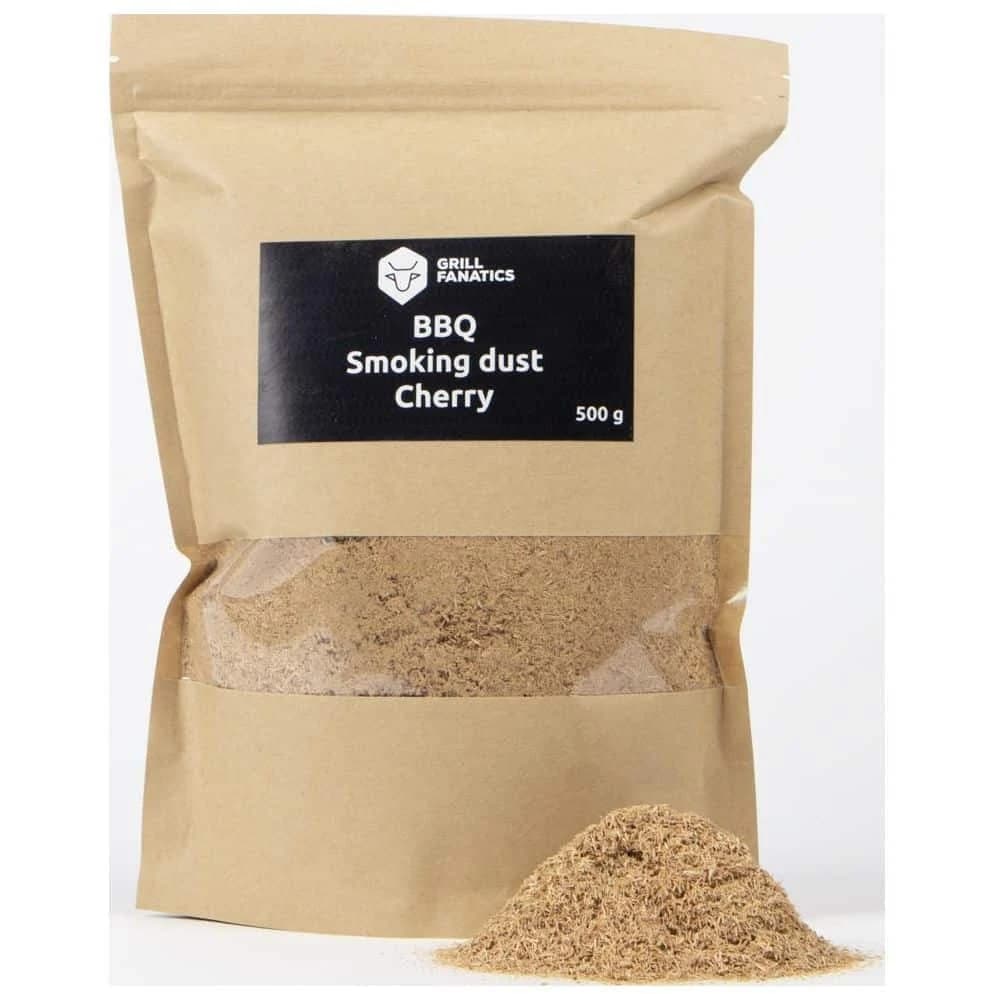
Charcoal itself already gives a subtle smoke flavour, but if you want to add specific flavours you do that with smoking wood chunks or chips on top of the coals. Small addition, big effect. Roughly ordered from more to less smoke flavour:
- Quebracho (powerful and earthy)
- Oak (classic, all-round)
- Birch (light and fruity)
- Beech (mild and neutral)
- Acacia (subtle, almost neutral)
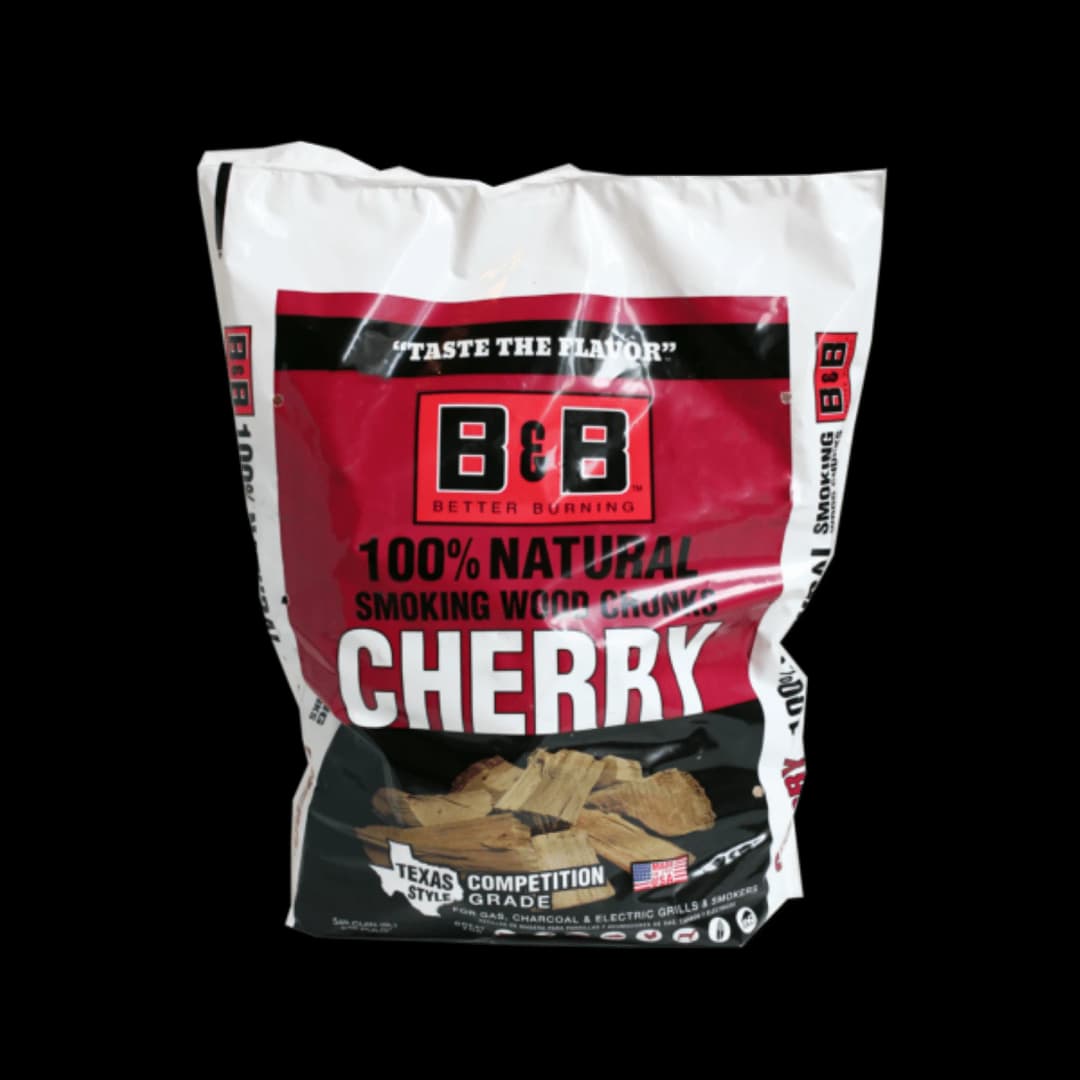
Cherry and other fruit woods work beautifully with poultry, oak with beef. Feel free to experiment: a kamado picks up those flavours superbly thanks to the closed dome. Want to know which cooking technique suits your dish best? Then read direct and indirect cooking on the kamado.
Can you use cheap charcoal in a kamado?
You can, but you'll notice the difference straight away. Cheap charcoal often consists of smaller, softer pieces that burn up faster, leave more ash and disrupt the airflow in your kamado. It may even be waste wood from the furniture industry. For a short one-hour grill session it might still do the job, but for longer cooks you'll soon get temperature swings, or your charcoal will simply run out in no time. The kamado just performs best with charcoal that is made for long, stable burning.
Common mistakes when choosing charcoal
The most common mistake: only opening the bag once you already want to grill, and tipping the lot into the kamado. The dust and grit at the bottom of the bag goes straight into your charcoal basket. Better to empty the bag outside first and sort the pieces before you fill: big lumps at the bottom, small ones on top. Reused charcoal from the last session goes on last of all. Have a look at the other common kamado mistakes too, to learn what to do and what to avoid.
When do you go for premium charcoal?
Premium charcoal, Quebracho, Marabu or Binchotan, is made from exceptionally dense wood with an extremely long burn time and high heat resistance. It's worth the investment if you regularly do long sessions or really want the best temperature stability. Many users find they don't just barbecue more efficiently, they also have to adjust far less. That's exactly what a kamado does at its best: quietly cooking away while you get on with something else.
Which charcoal suits you best?
The choice depends on what you're cooking. For long cooks, go for big hardwood chunks like Quebracho or Marabu. For quick sessions at high heat, use a good hardwood mix in medium-sized pieces. Want extra flavour? Add smoking wood chunks. It pays to keep several types in the house so you can switch, just as a good cook keeps several ingredients to hand. And don't forget: how you load the charcoal matters just as much as which type you choose. Read how to light a kamado for the right filling order and lighting method.
FAQ
Which charcoal is most suitable for a kamado?
Big lumps of (hard)wood work best. If you want long and slow, choose a harder type. If you want fast and hot, a softer type works better. In the end you're the chef, and you decide what tastes good to you and what you enjoy working with!
How full do I fill my kamado with charcoal?
That depends on what you're cooking. Read how much charcoal should you use in a kamado for concrete guidelines per cooking technique.
What is the advantage of restaurant-grade charcoal?
Restaurant grade is generally a marketing term. But what they mean is big, uniform chunks. The airflow in your kamado is better as a result, the temperature more stable, and you need to make fewer adjustments along the way. When you're choosing charcoal, don't be misled by the restaurant-grade label. Look at which type of wood is actually in the bag.
Does premium charcoal really burn longer?
Yes. Quebracho and Marabu in particular are known for their exceptionally long burn time: on a low & slow cook, up to 24 hours at 100-110 degrees. That saves a lot of topping up and adjusting.
Can I use cheap charcoal in my Grill Bill?
You can, but expect more ash, a shorter burn time and a less stable temperature. For short sessions it's acceptable, for longer cooks we'd advise against it.
Which charcoal gives the most flavour?
Charcoal itself gives a light smoke flavour. For pronounced aromas you add smoking wood chunks. From most to least smoke flavour: Quebracho, oak, birch, beech, acacia.
Can I use briquettes in a kamado?
Only coconut briquettes are suitable: they contain no binding agents and give a neutral smoke aroma. Ordinary briquettes are full of binders that soak into the open ceramic structure and give your food a bitter aftertaste. Also read common kamado mistakes.
Written by

Grill Bill specialises in ceramic kamado barbecues and shares knowledge about low & slow cooking, smoking, grilling and baking on the kamado.
Read onThree more
![Beenham van de kamado]()

Three more
from the archive.
Beenham van de kamado
Beenham roken en glazen op de kamado. Doelterm: beenham kamado (720) — concurrent staat hier op positie 1.
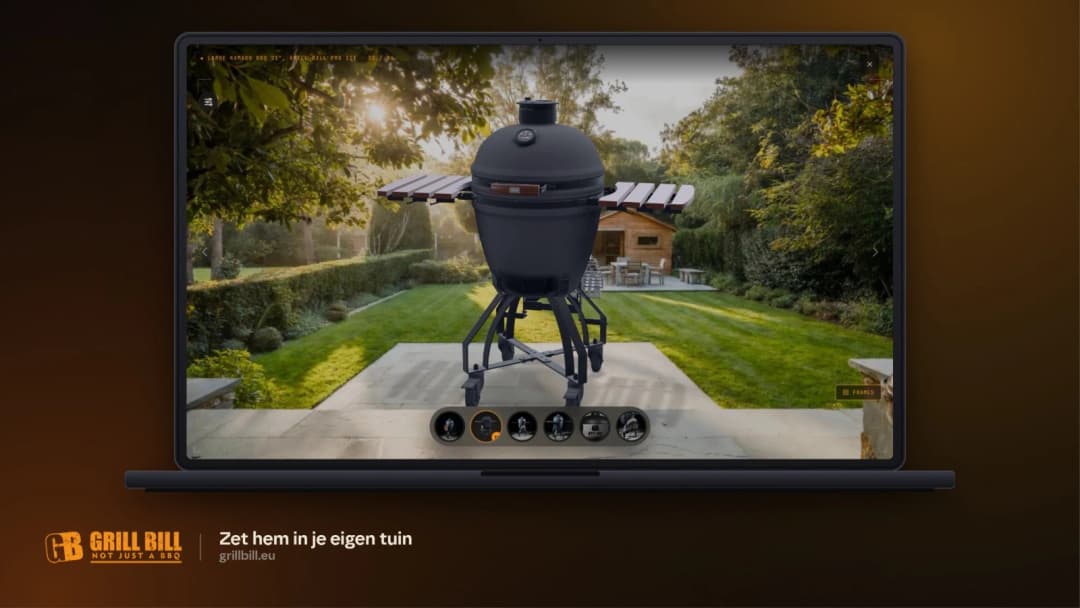
The new grillbill.eu: view your kamado in 3D and place it in your own garden
The new grillbill.eu is live. Spin the Pro III in 3D, place it in your own garden, compare every model side by side and learn to cook in the GB Academy.
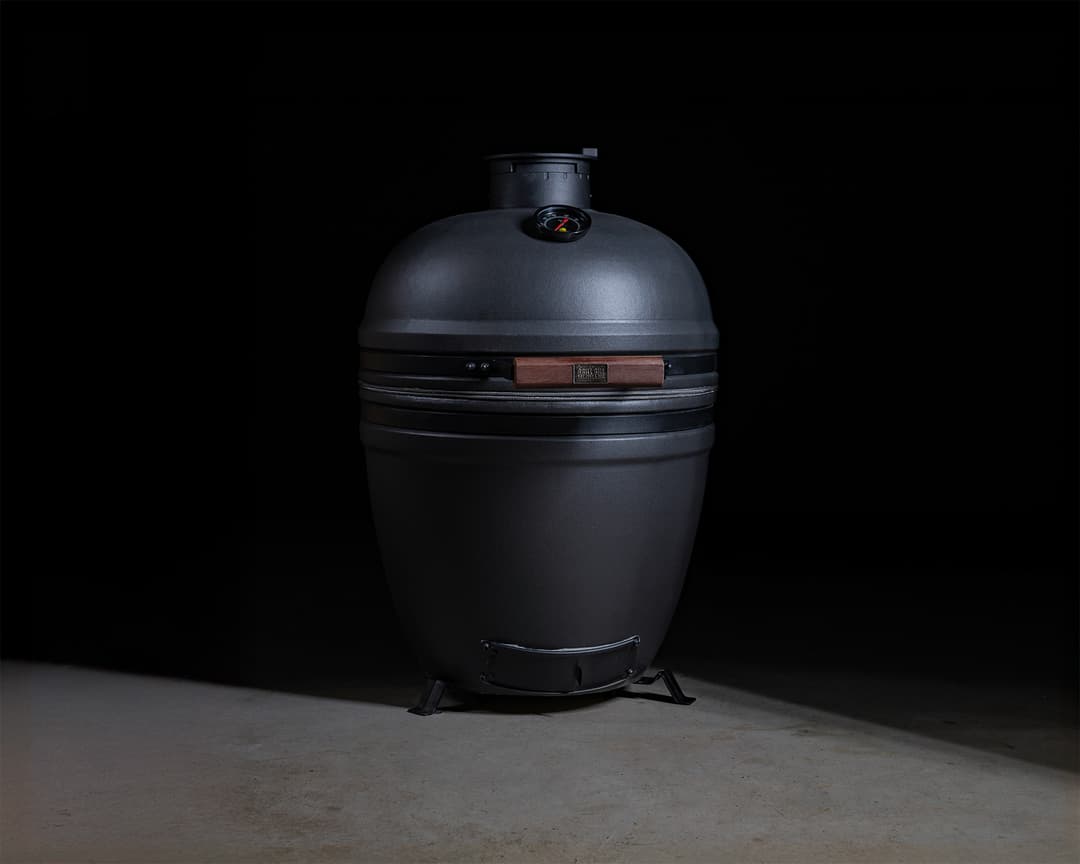
Building a kamado in: table, outdoor kitchen or Solo
Cut-out dimensions per Grill Bill size, ventilation at the bottom, shielding timber and the choice between buying, having it built or making it yourself. Plus the Large and XL Solo without trolley.
Stook inOnce a month,
Once a month,
a echte letter.
Recipes, drops and long essays about smoke. No noise, never resold.