Grill Bill
In this category

€100 off

Sign up for the newsletter
What is a kamado BBQ?
Grill Bill
By Grill Bill
Published
27 November 2025
Reading time
3 min

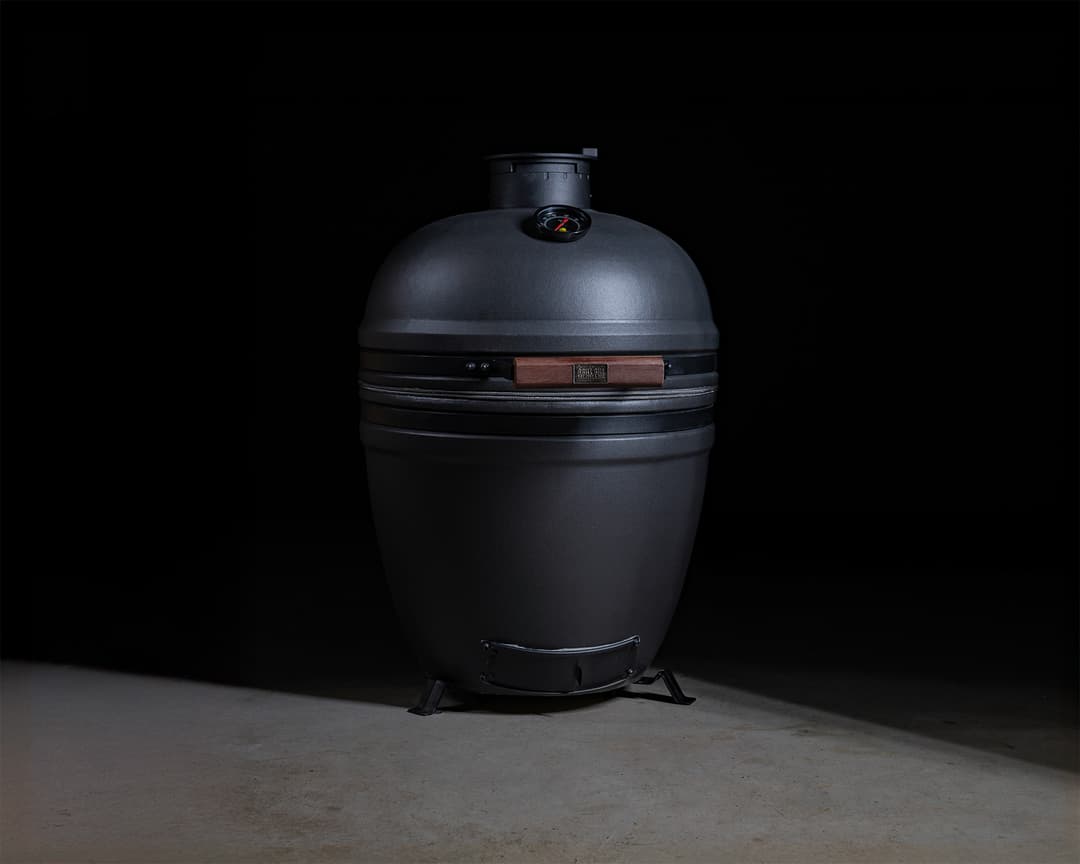
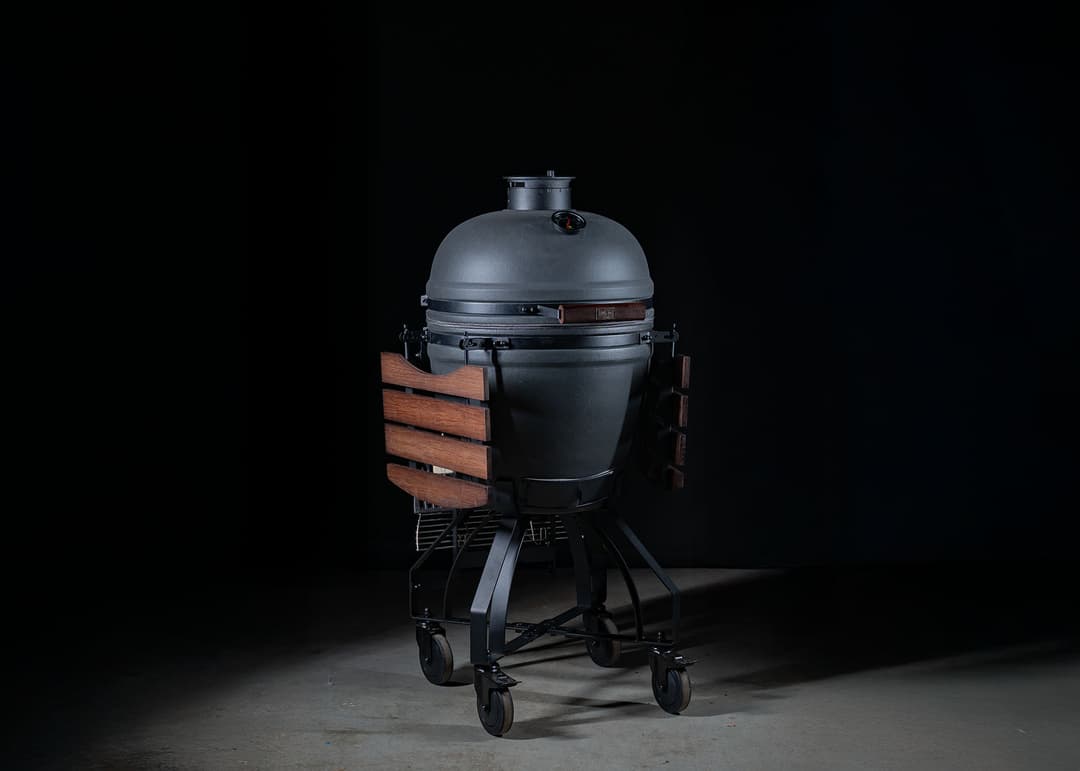
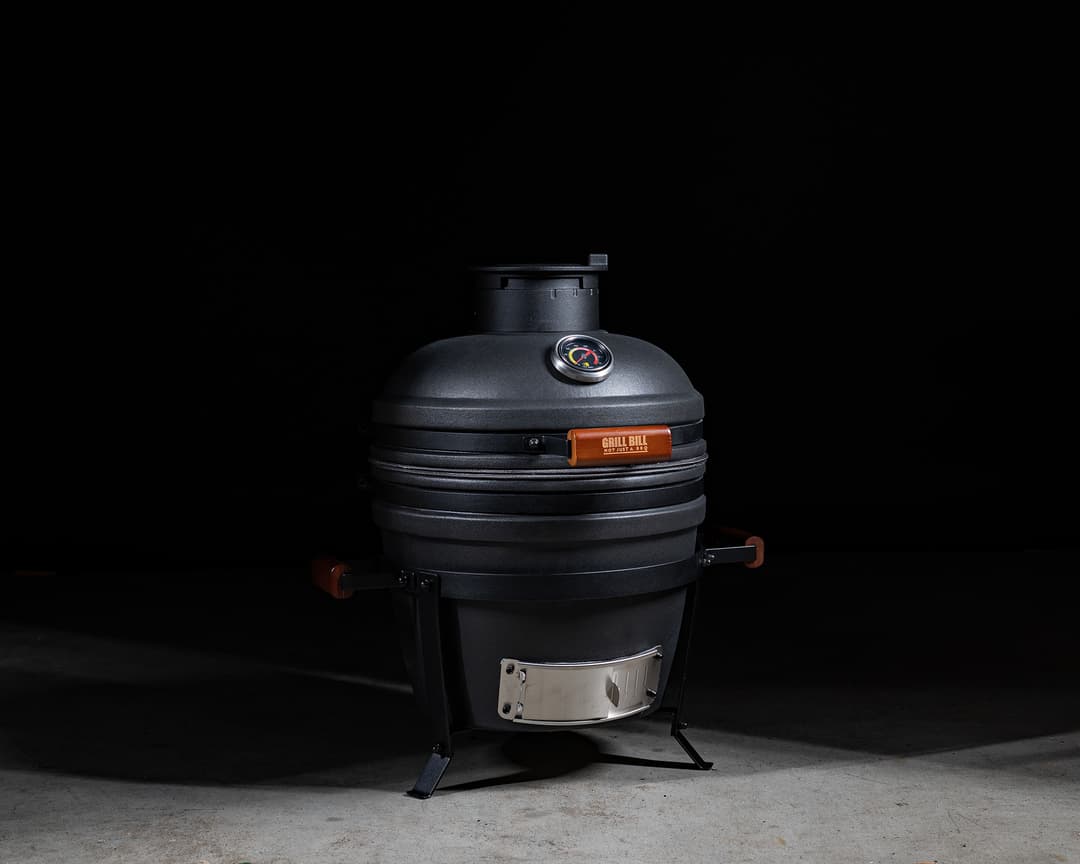
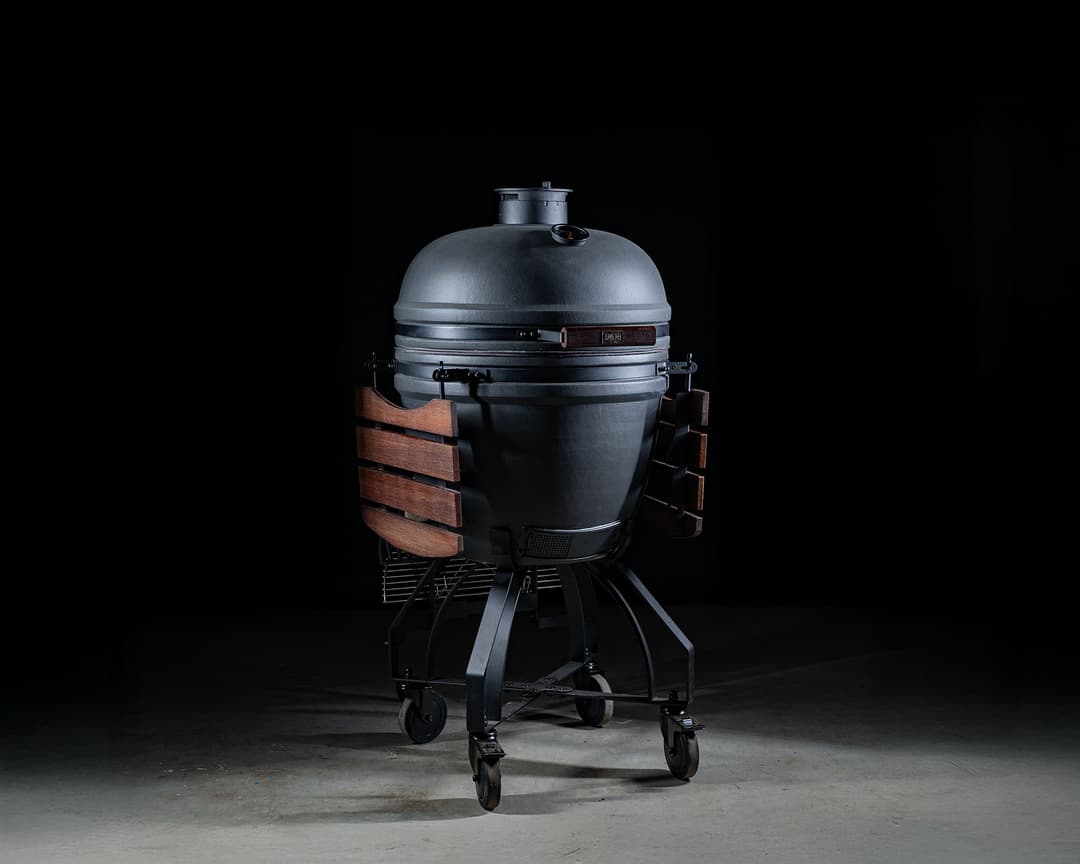
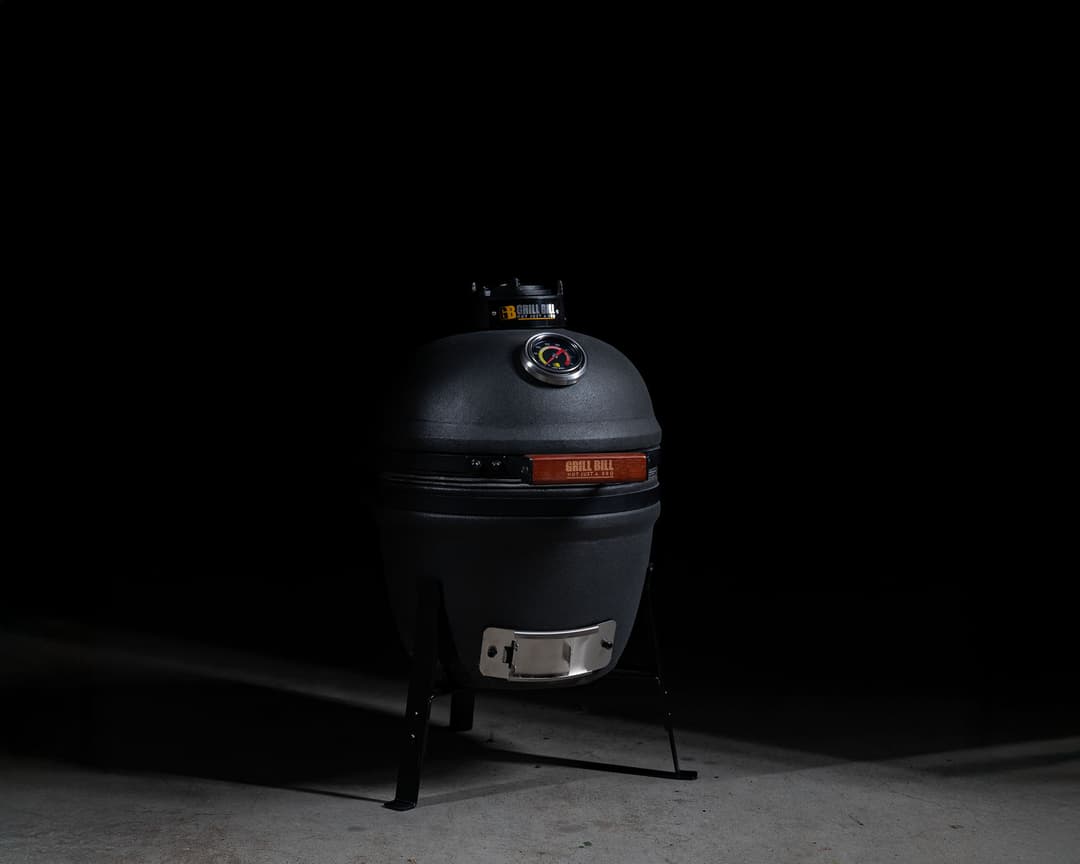
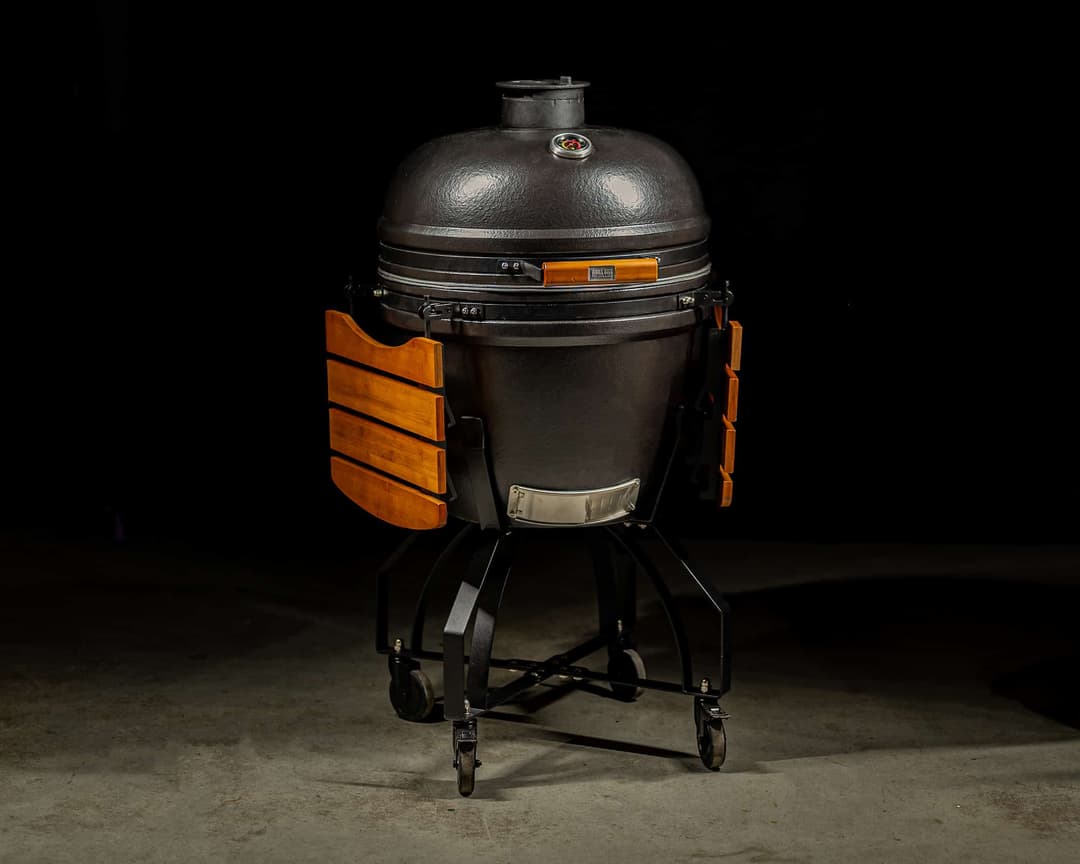
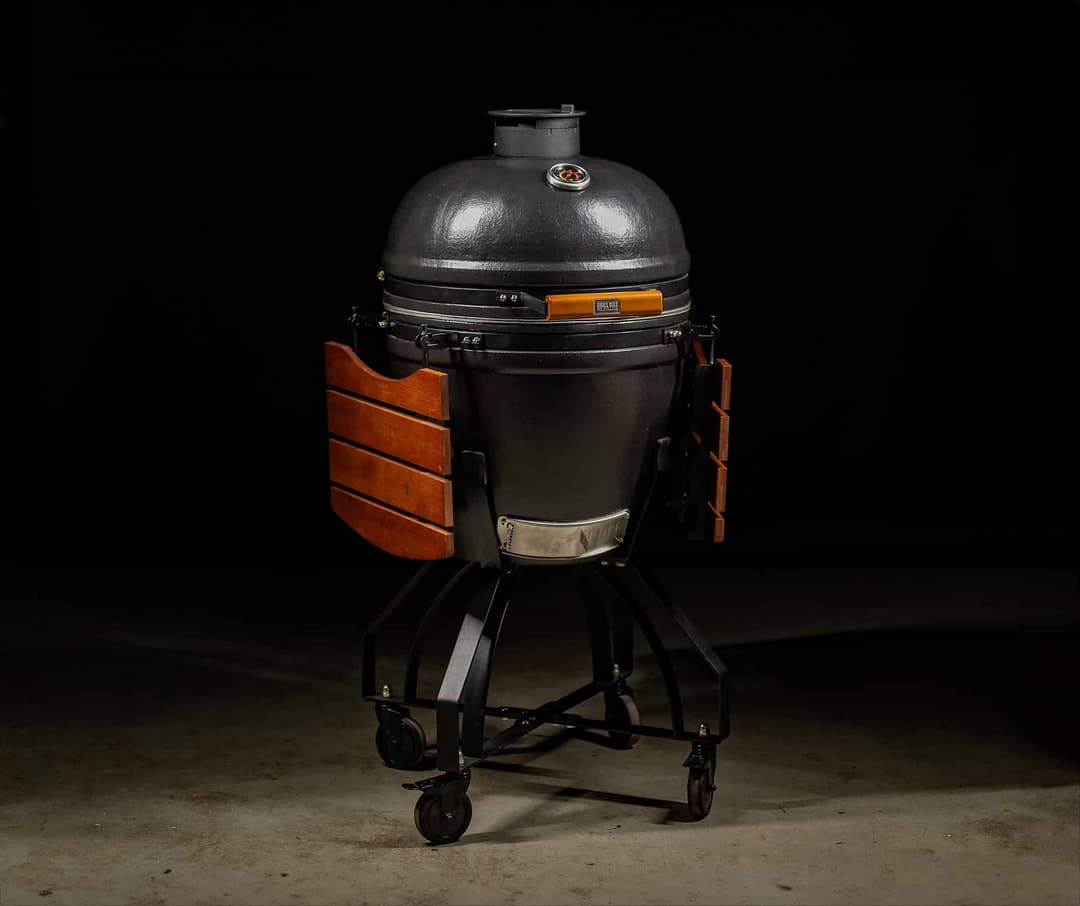
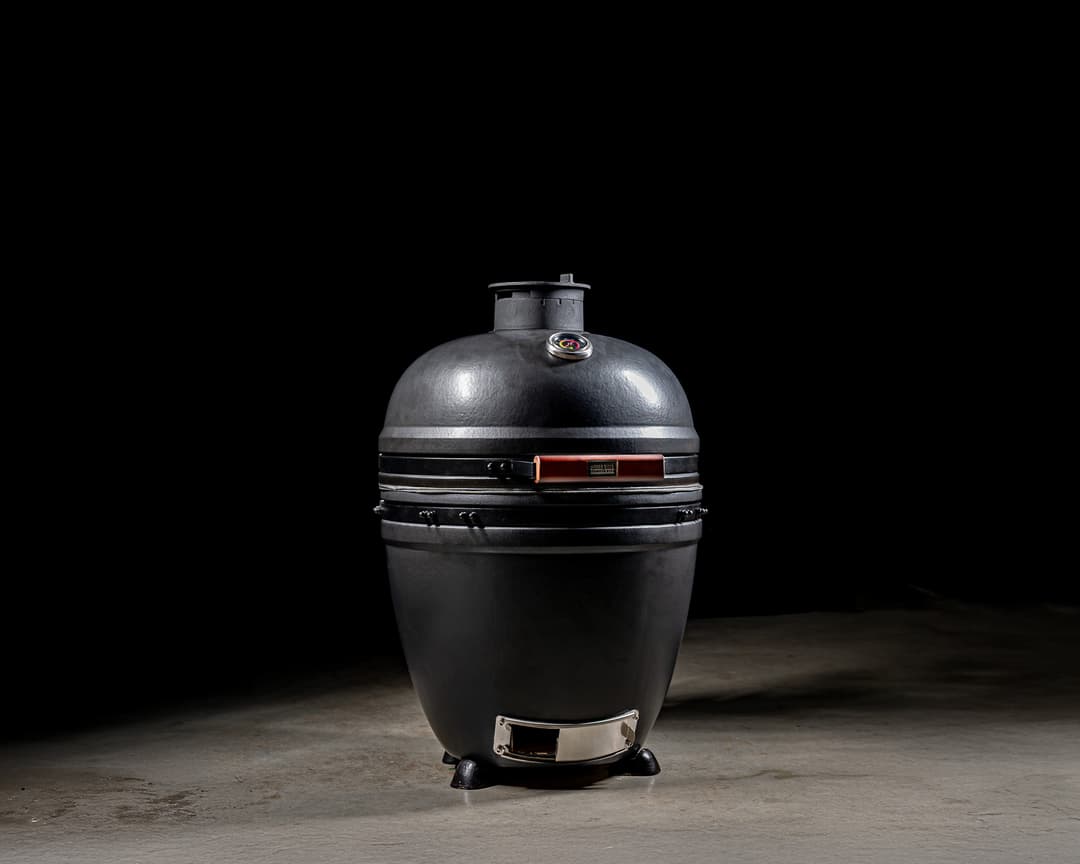
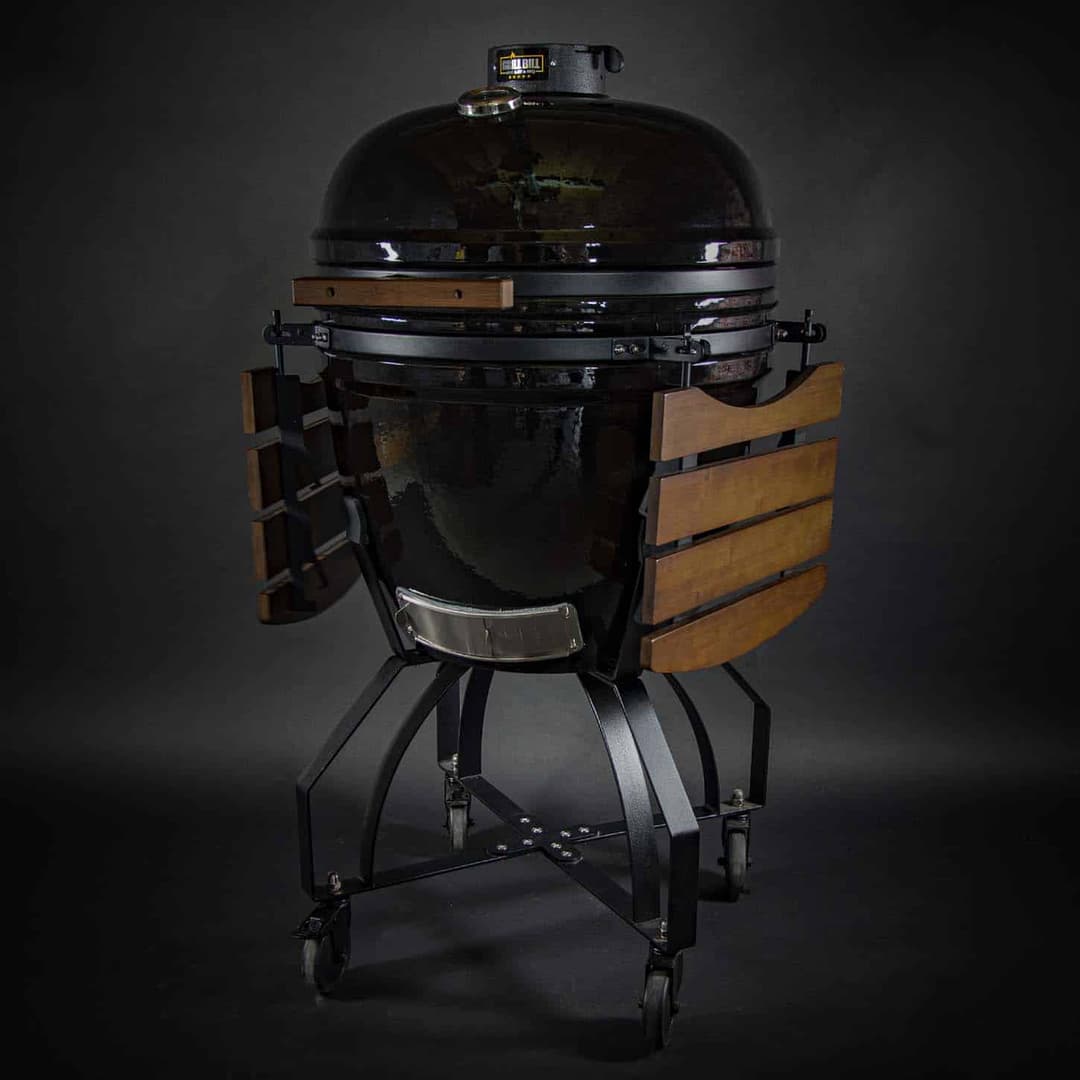
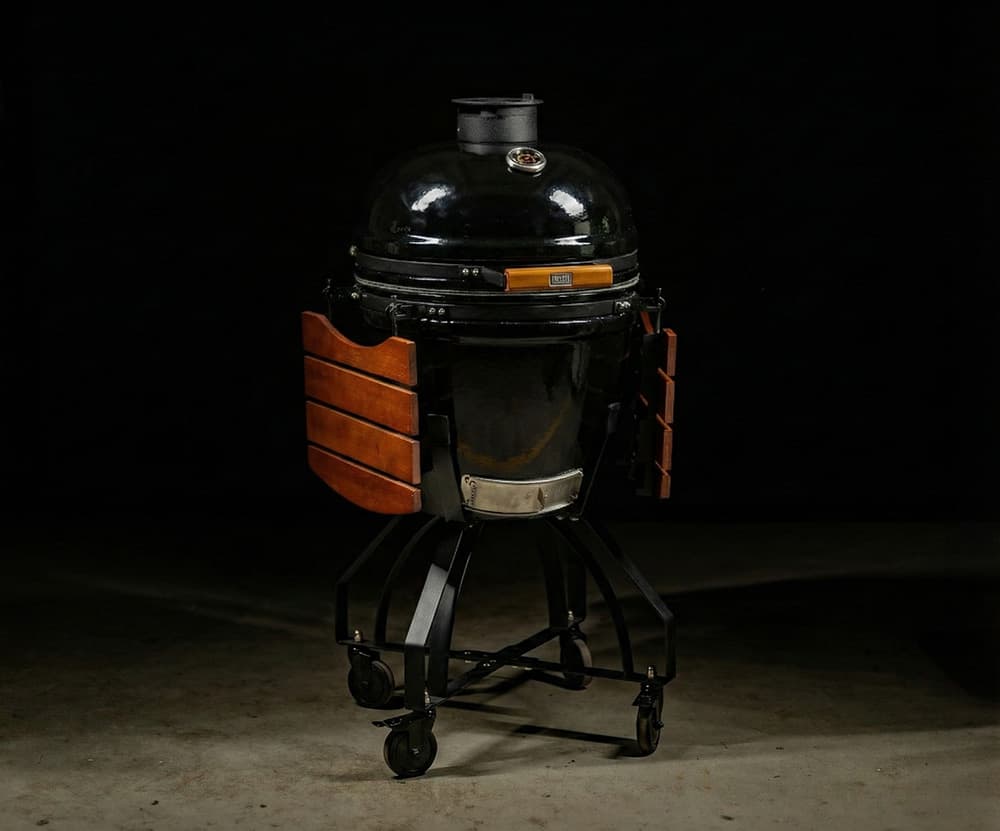
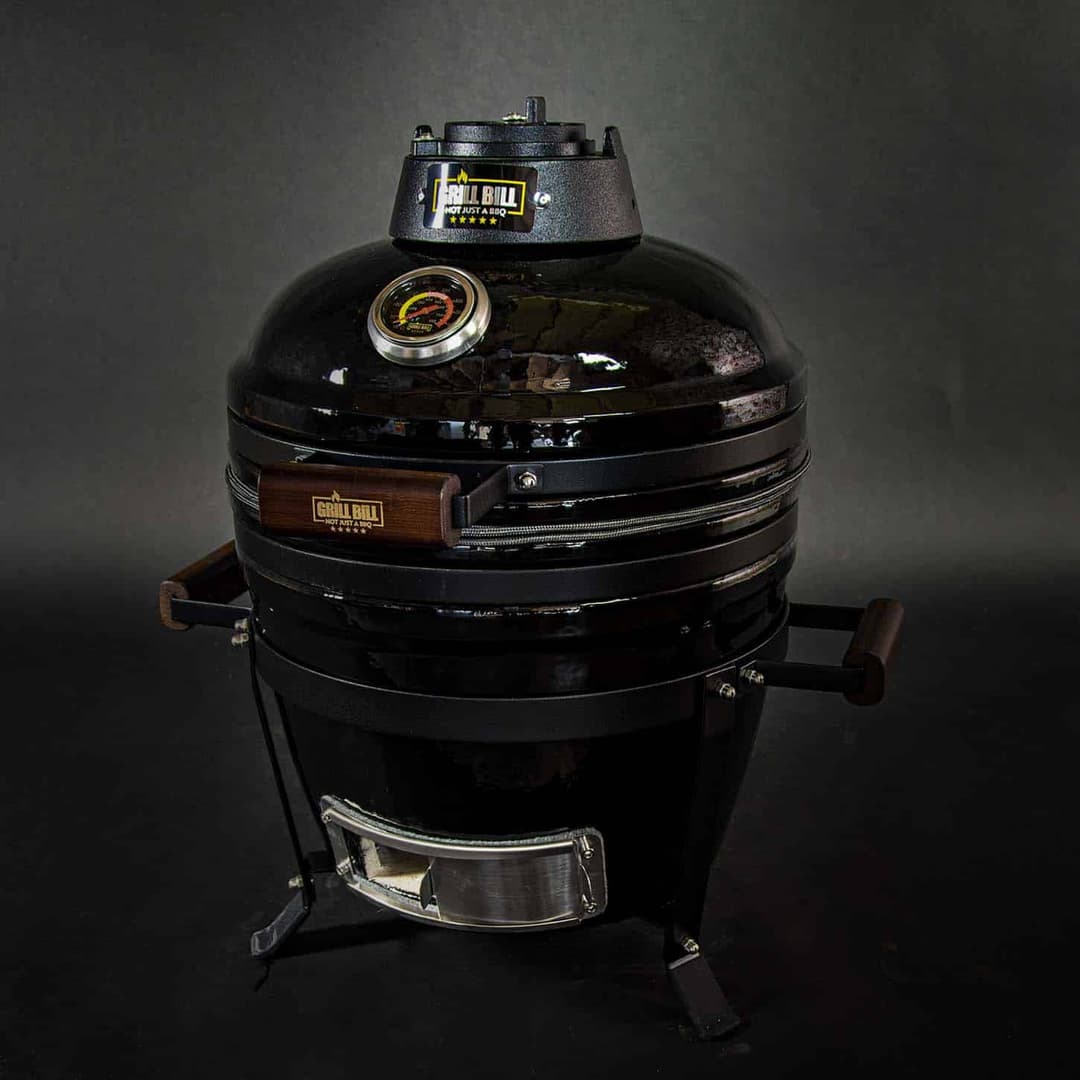
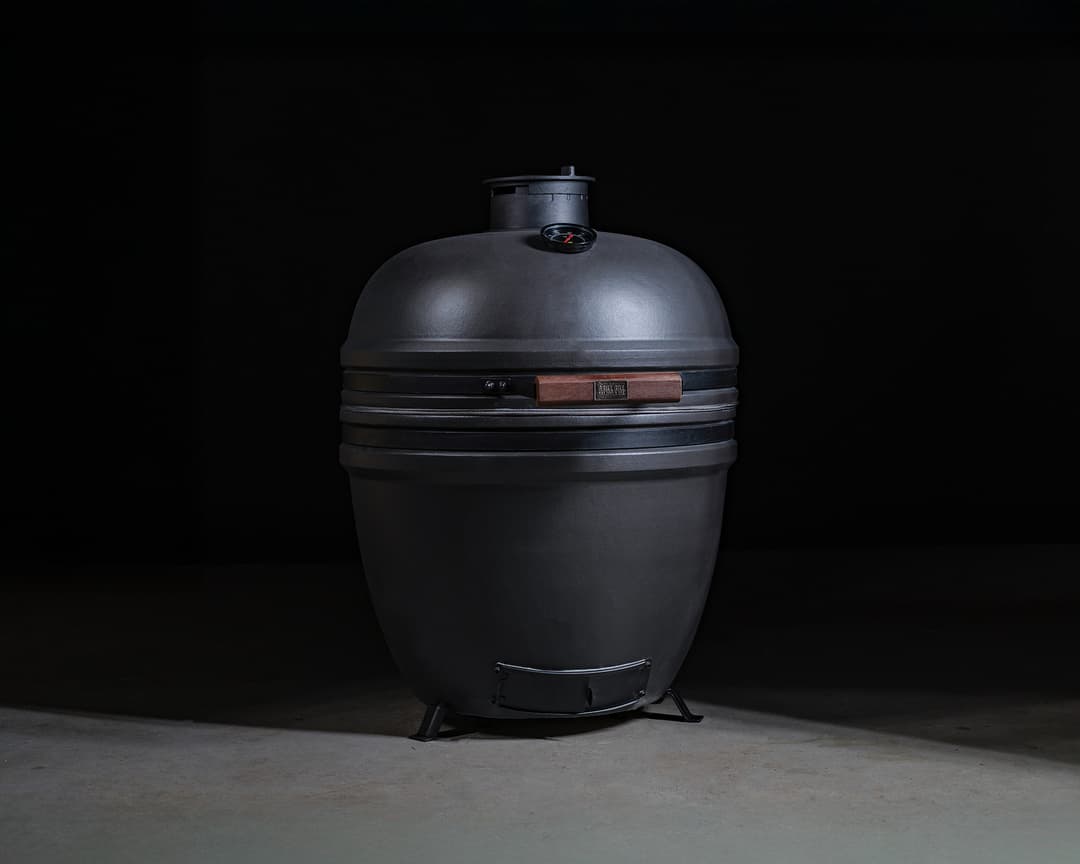
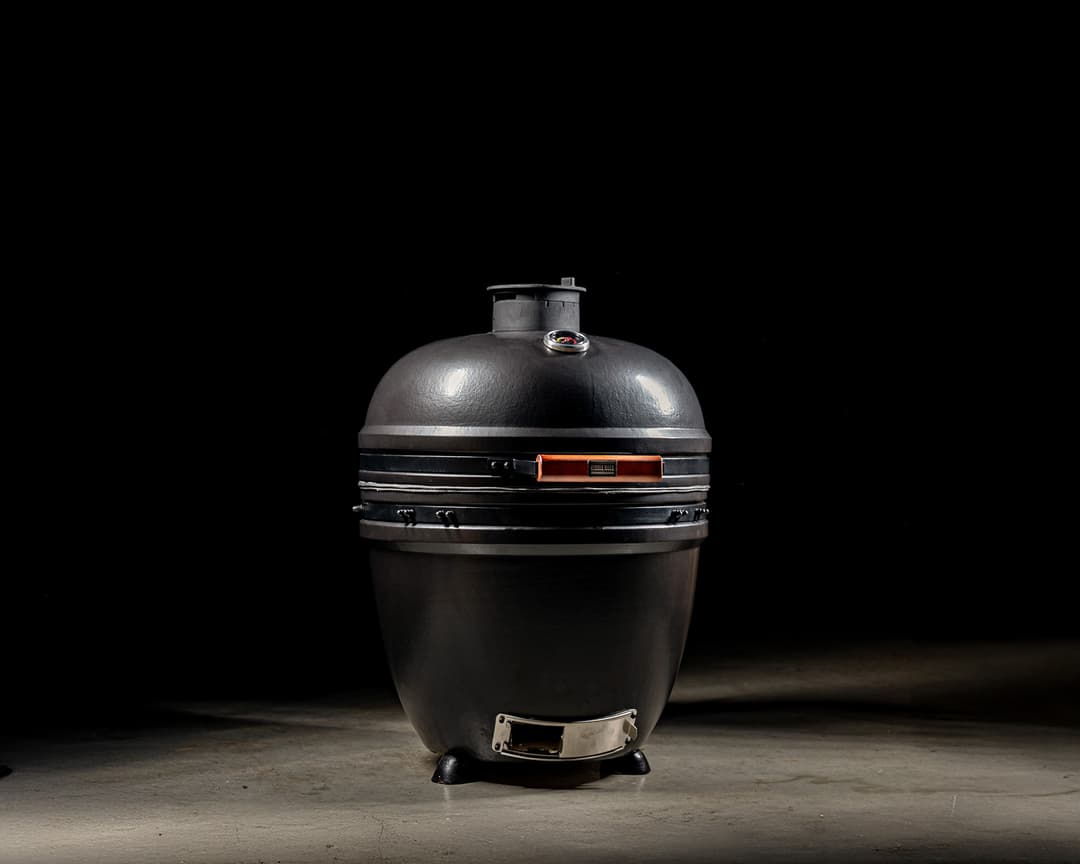
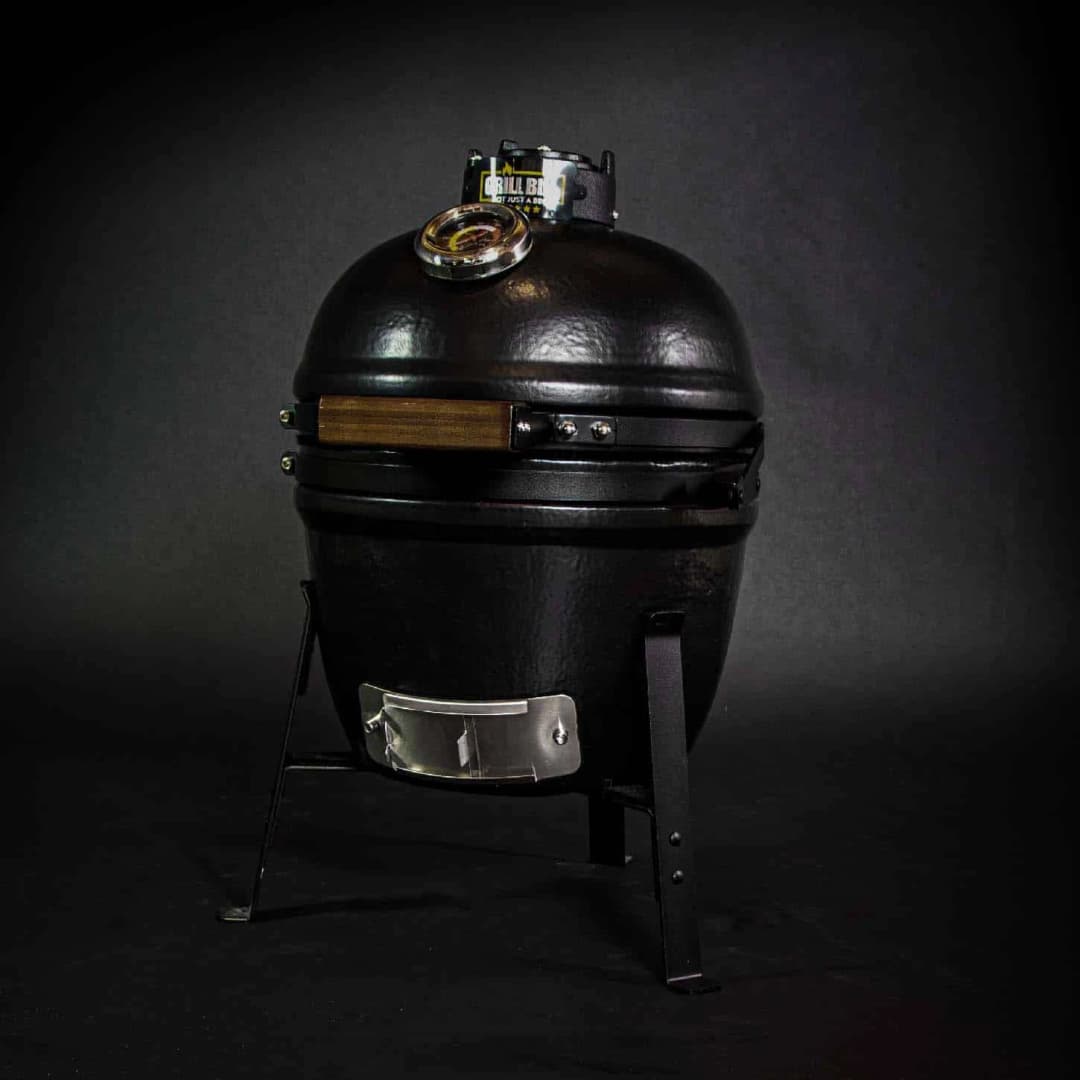
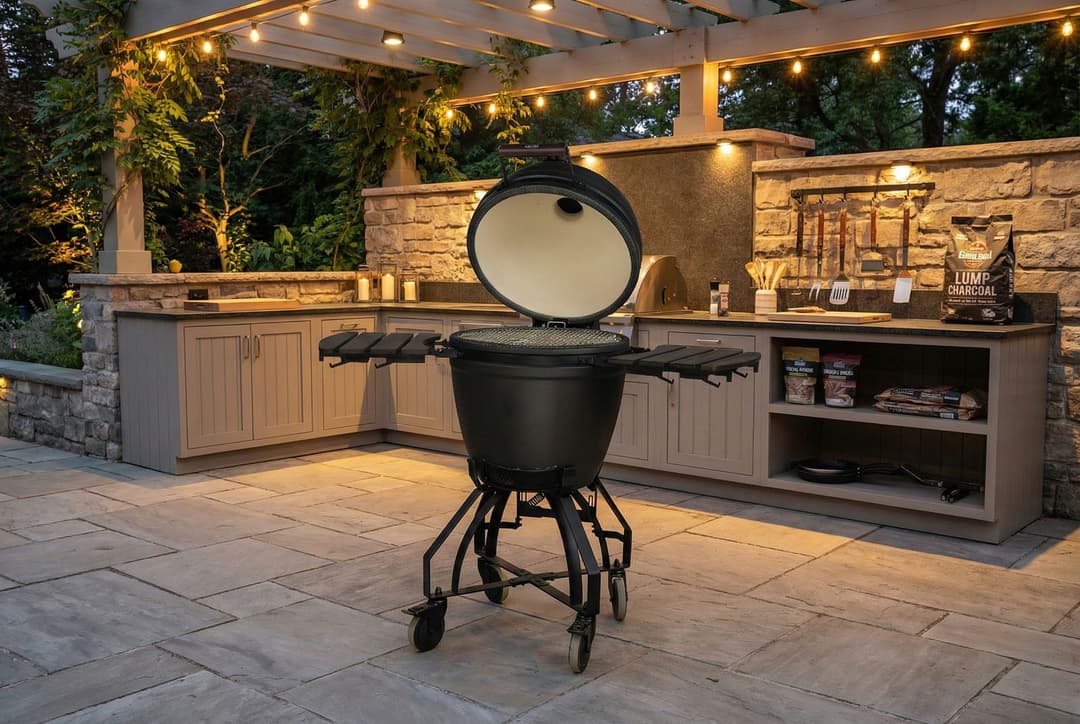
A kamado is a ceramic BBQ that is efficient, powerful and suited to beginners and experienced pitmasters alike. The combination of ceramics and airflow control lets you apply virtually any cooking style. Want to dive deeper into the technique? Read How does a kamado BBQ work? or browse the full overview at Kamado BBQ.
Why do we call it a ceramic BBQ?

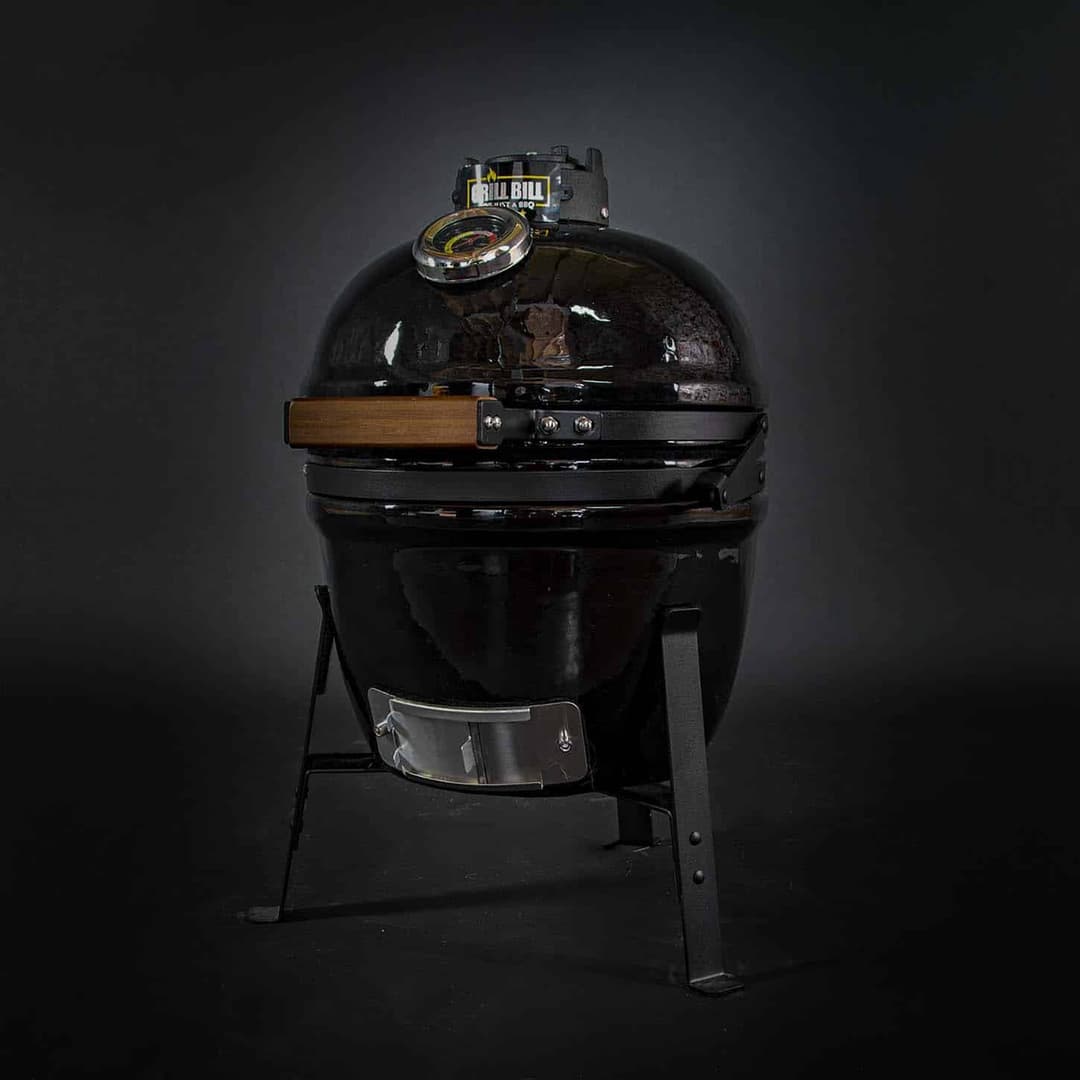
The term kamado comes from Japanese and literally means clay oven. Thanks to its thick ceramic wall, a kamado works like an outdoor oven that retains heat and distributes it evenly. In practice that means stable temperatures and low charcoal consumption. These properties make techniques such as indirect cooking and low & slow perfectly manageable. Read more benefits in Advantages of a kamado BBQ.
The difference with thin sheet steel is mass. A wall of two to three centimetres of ceramic stores heat and releases it slowly. Open the lid and the temperature dips briefly, but the ceramic pushes it back within minutes. On a thin barbecue that heat disappears straight into the air and the fire has to rebuild everything. That difference in mass explains virtually everything that makes a ceramic BBQ different.

Where does the kamado come from?

Although many people think a kamado is a modern BBQ, its origins go back thousands of years. What sets today's kamado apart is the refinement of gaskets, airflow and temperature control. Modern kamados are more versatile and stable than ever. Curious where ceramics have their limits? Read Disadvantages of a kamado BBQ.

What can you do with a kamado?

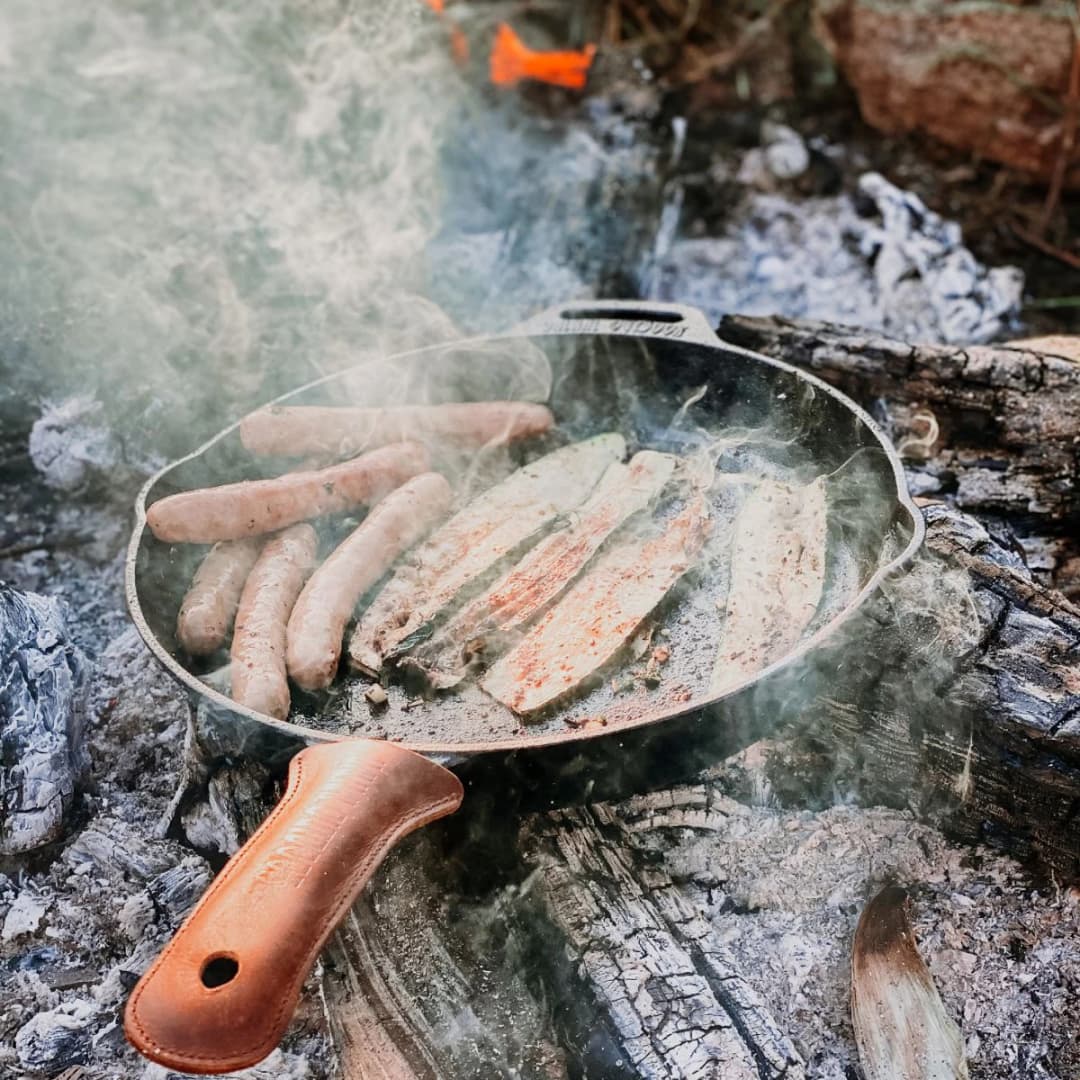
A kamado is not an ordinary BBQ but a complete outdoor cooking system. You can grill directly, cook indirectly, smoke, bake and even make pizzas at high temperatures. All of these fall under the various kamado BBQ techniques. Want to get practical right away? The guides on direct cooking and smoking on a kamado are a good starting point.
Techniques at a glance

Kamado versus a regular barbecue

Comparing it with a classic charcoal barbecue makes it concrete straight away. Not because one is better than the other, but because they serve different purposes: one is built to grill fast, the other to cook in a controlled way all day long.

  • Temperature range: a kamado runs comfortably from 90 °C to well over 350 °C, while an open barbecue mostly lives around 200 °C.
  • Stability: a set temperature holds for hours without refuelling or adjusting.
  • Consumption: the ceramic insulates so well that a few kilos of charcoal last a full session.
  • Moisture: the closed system lets little moisture escape, so meat dries out less.
  • Season: ceramic is frost-proof, so you cook outdoors all year round.

Why do people choose a kamado?

People choose a kamado for control, versatility and reliability. The temperature stays stable, even during long sessions. At Grill Bill we combine these properties with robust build quality and smart systems. Curious who we are and what we stand for? Read more about Grill Bill or find the size that suits you via Kamado sizes.

Which kamado size suits you?

The size determines not only how much you can fit, but also which techniques work comfortably. A larger grate leaves more room for a proper indirect zone, and you notice that immediately with low & slow. Accessories are also size-bound, so upgrading later costs double.

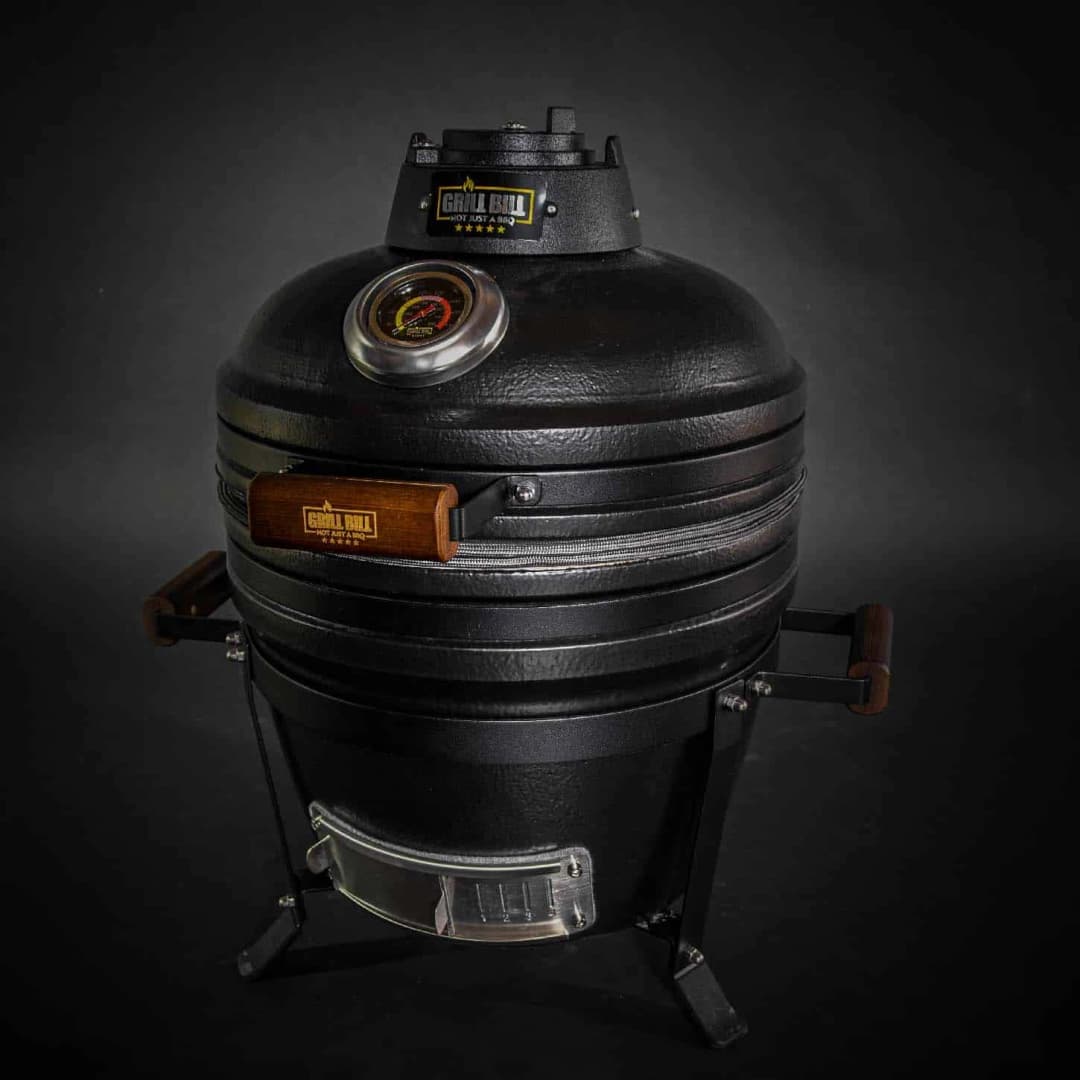
  • Small (13") — for a balcony or as a second unit next to a larger kamado.
  • Medium (16") — enough for two to three people, compact on a small terrace.
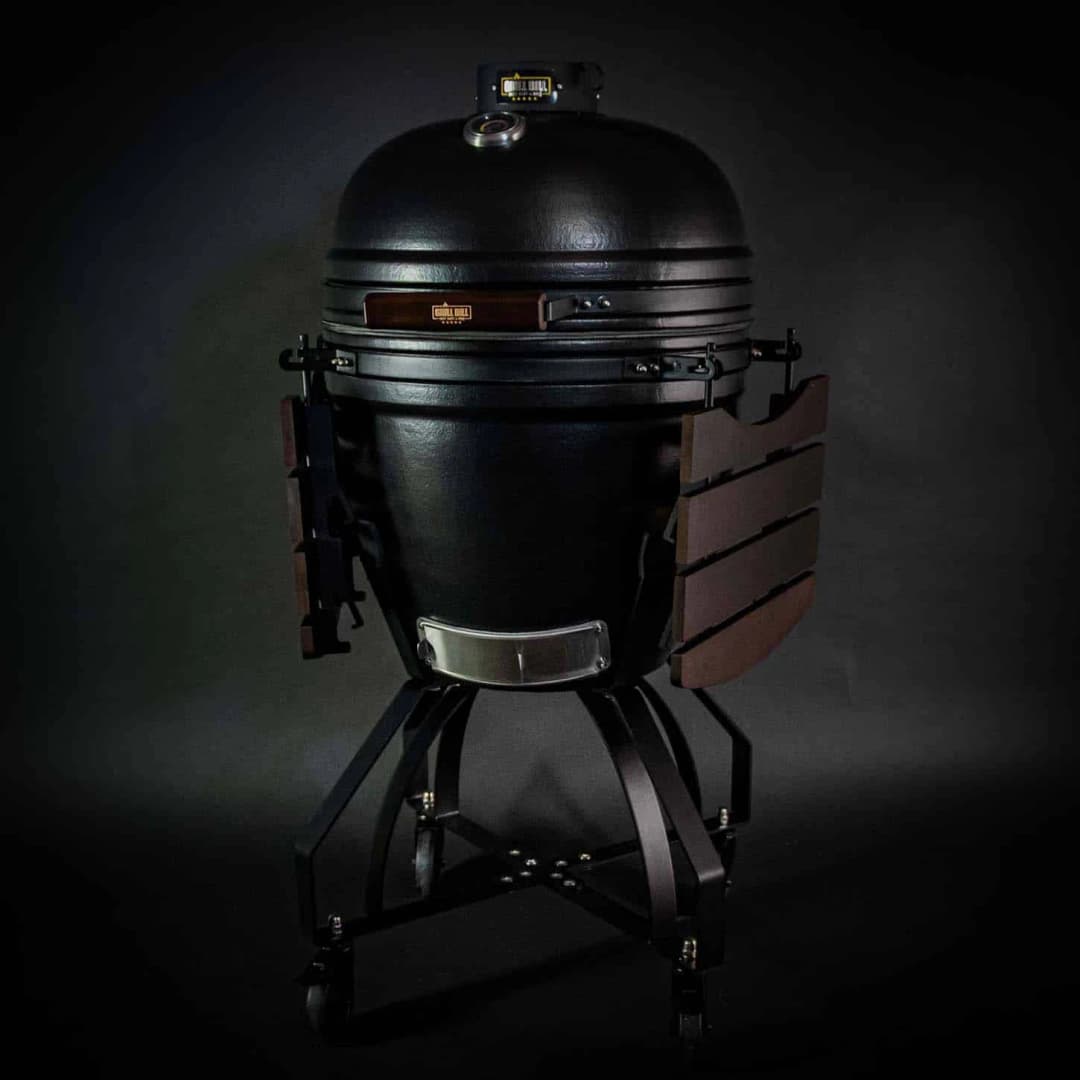
  • Large (21") — the size that fits most households: three to six people and every technique within reach.
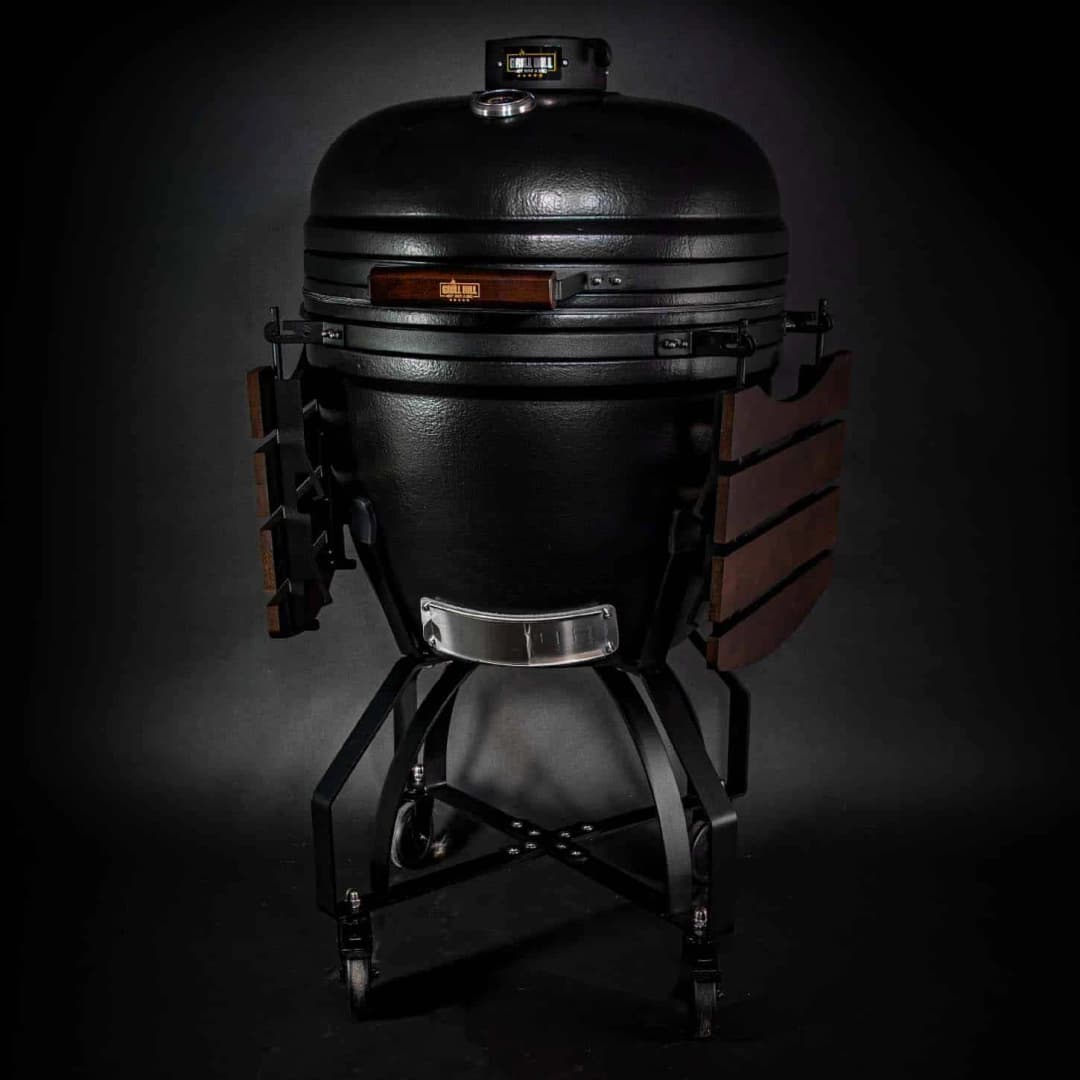
  • XL (23.5") — for large groups, whole cuts of meat and anyone who regularly cooks for company.

What do you need to get started?

You need less than you think. The kamado itself, good fuel and a way to read the temperature already get you a long way. The rest you build up as you discover what kind of cook you are.

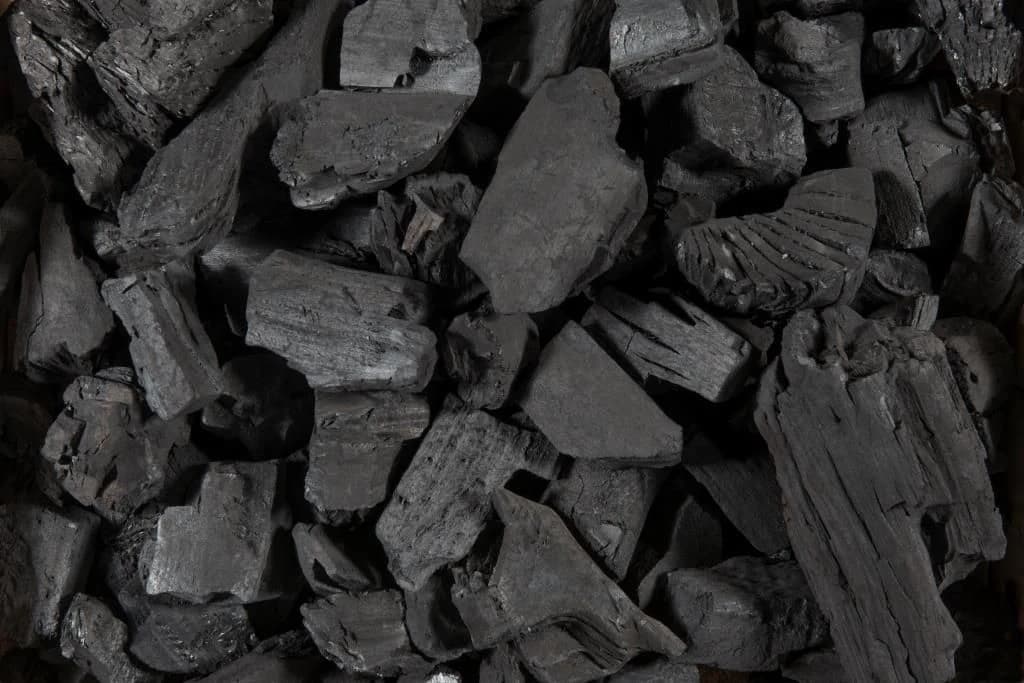
  • Quality charcoal — coarse pieces that burn long and leave little ash.
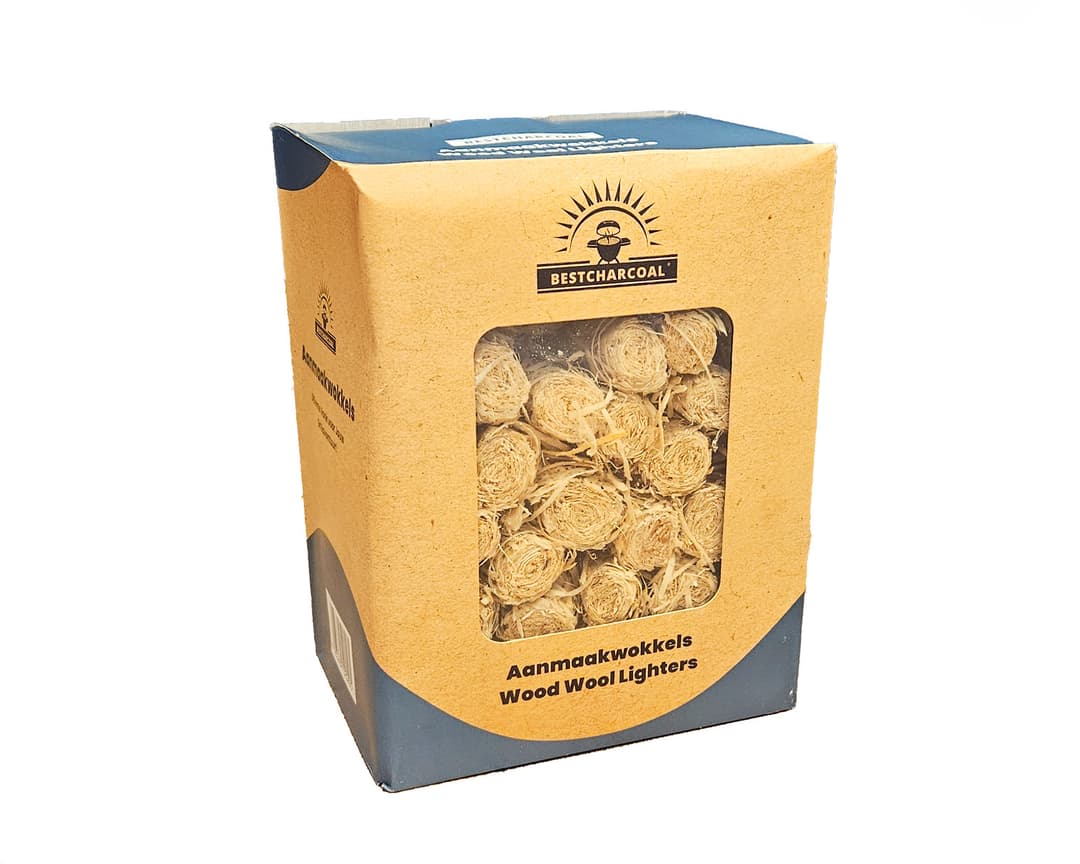
  • Firelighters — never lighter fluid: it soaks into the ceramic and into your food.
  • A heat deflector — the key to indirect cooking, smoking and baking.
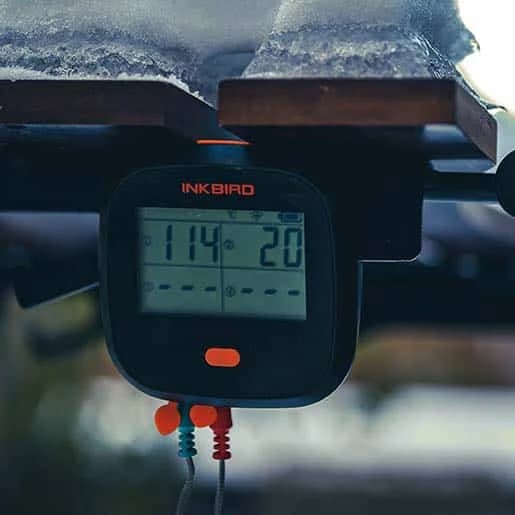
  • A core thermometer — the temperature inside the meat says more than the clock.
  • A cover — protects the metal parts and the wood when the kamado sits idle for a while.

Common beginner mistakes with a kamado

Most beginner mistakes come from habits formed on an open barbecue. A kamado asks for less intervention, not more. These are the four we see most often:

  • Using too much charcoal
  • Opening the air intake and top vent too far
  • Not using indirect zones
  • Opening the lid too often

Read more, including how to avoid them, in My biggest kamado mistakes.

Frequently asked questions about the kamado BBQ

What makes a kamado different from a regular BBQ?
The ceramic wall provides temperature stability and efficient charcoal use. That is why techniques such as indirect cooking and low & slow work far better than on an open barbecue.
Can you smoke on a kamado?
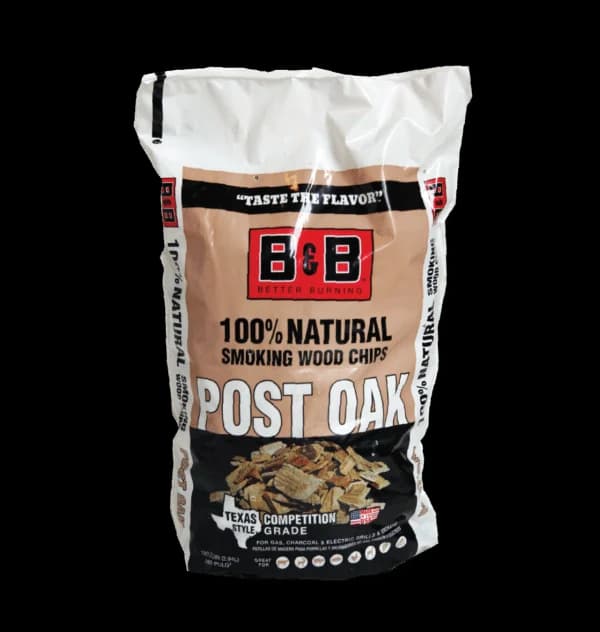
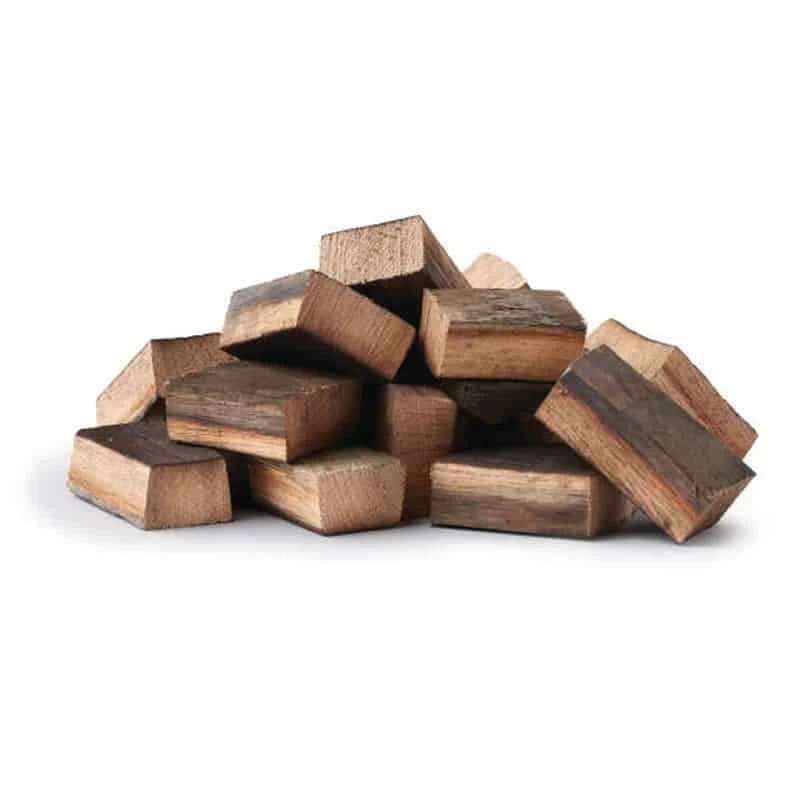
Yes, smoking is one of a kamado's strongest points. With chunks or wood chips you can get started easily; the stable low temperature does the rest.
Is a kamado economical to use?
Yes. Thanks to the insulating ceramic you use considerably less charcoal than on an open BBQ — with low & slow one load lasts well over 12 hours.
Is a kamado suitable for beginners?
Absolutely. The stable temperature makes a kamado forgiving: small mistakes in airflow control are largely corrected by the ceramic itself.
Can a kamado stay outside all year round?
Yes. Ceramic is frost-proof and withstands rain, frost and sun. Cover the metal parts and wooden tables when the kamado sits unused for longer periods.
How long does it take for a kamado to reach temperature?
Expect fifteen to twenty minutes until the kamado sits stably at grilling temperature. Then give it a few more minutes to heat the ceramic through — that is exactly what keeps the temperature so stable later on.
Fire up

Eens per maand,
een real brief.

Recipes, drops and long essays about smoke. No noise, never resold.