


Grill Bill
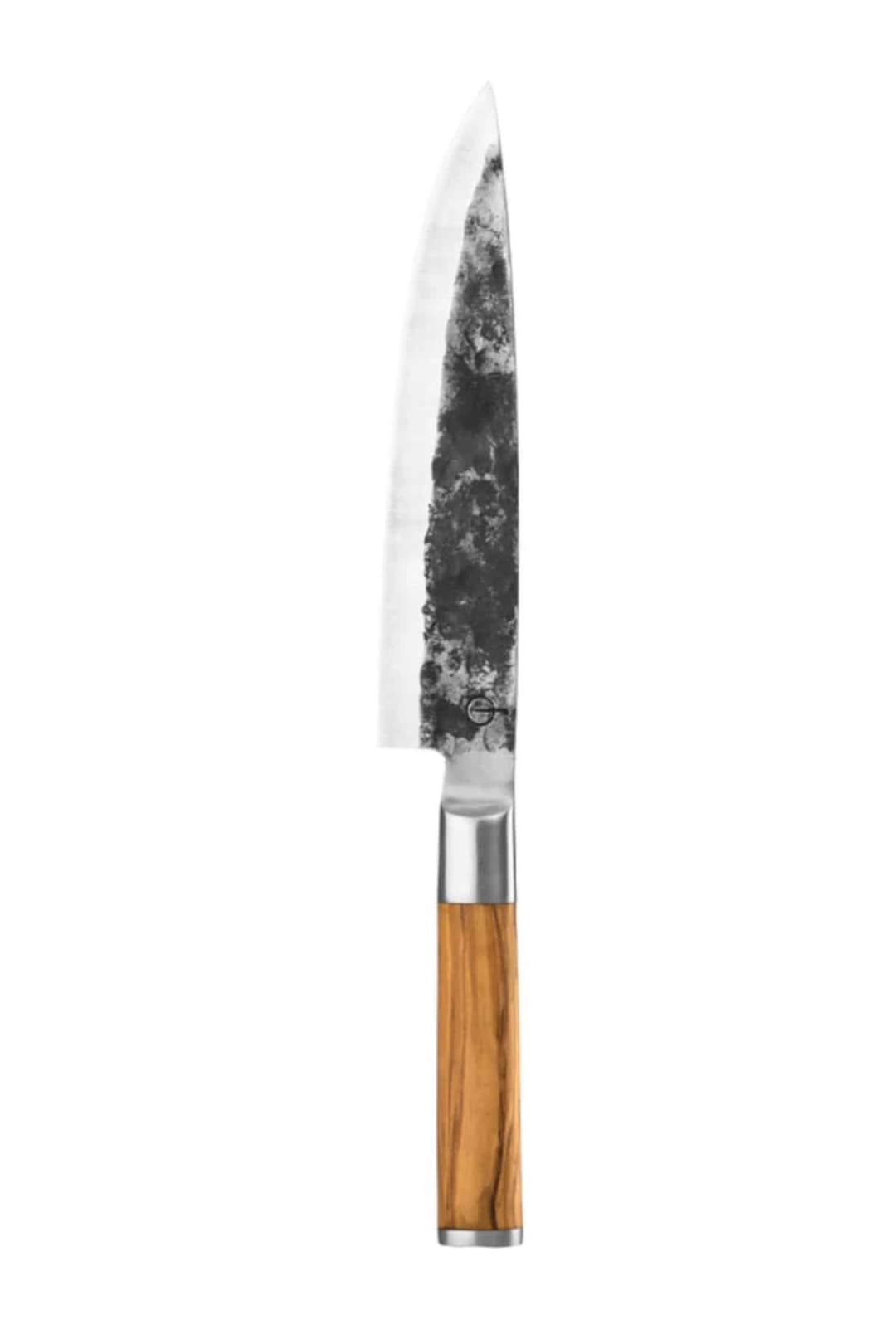
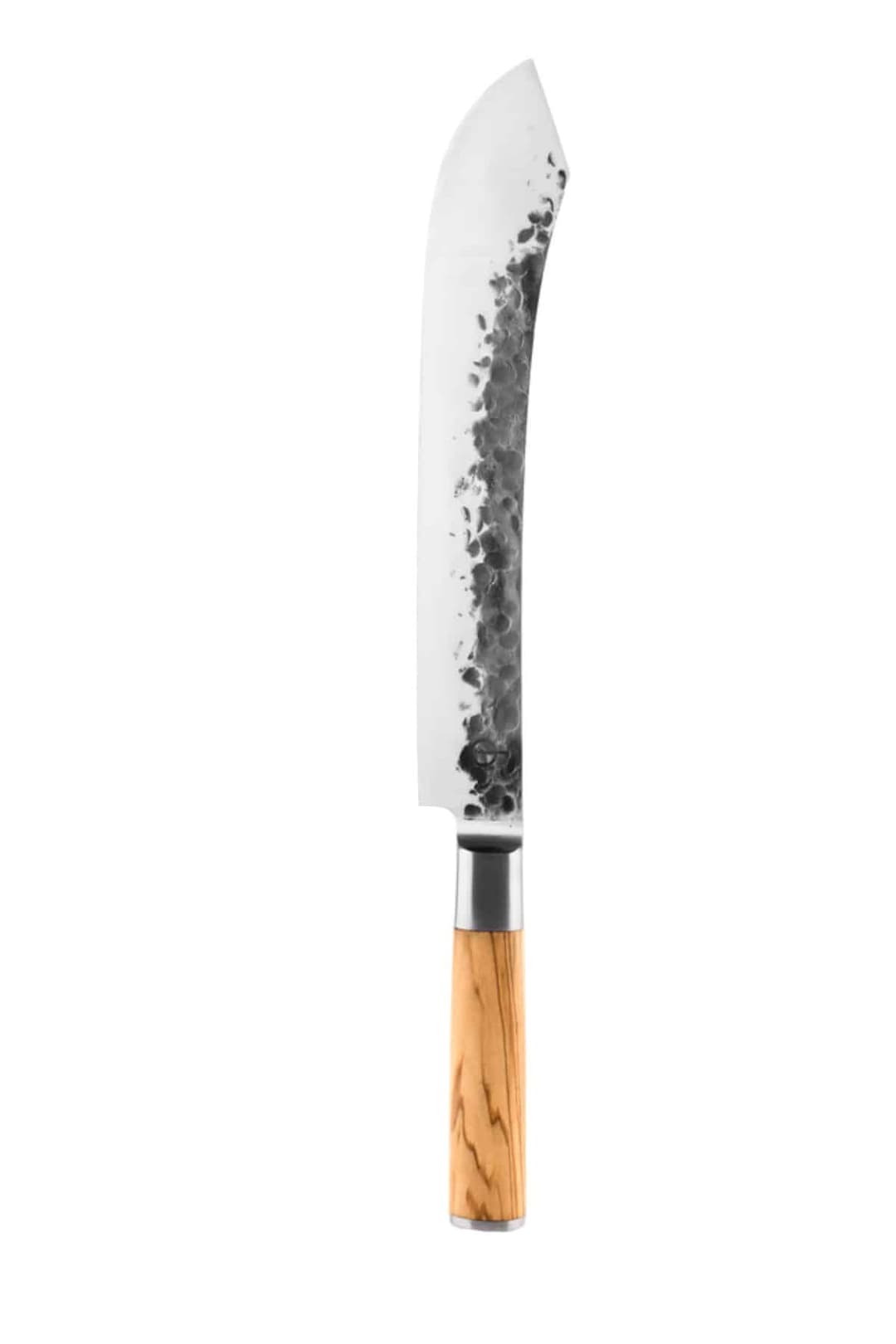
Brute Forged - Boning Knife
  • Brute Forged - Boning Knife
  • Brute Forged - Boning Knife
FRAME · 01 / 04
360° VIEW ·

Brute Forged - Boning Knife

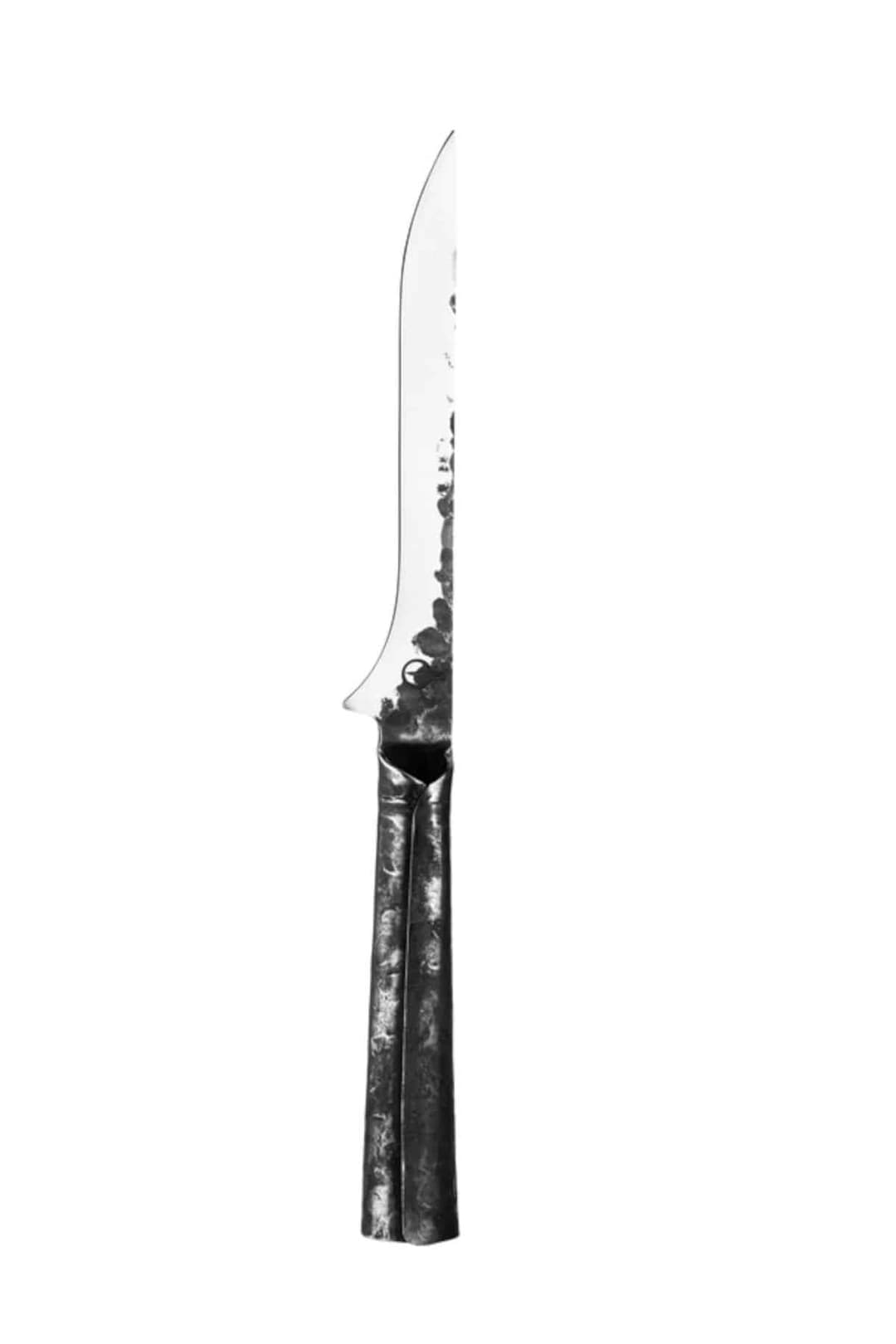
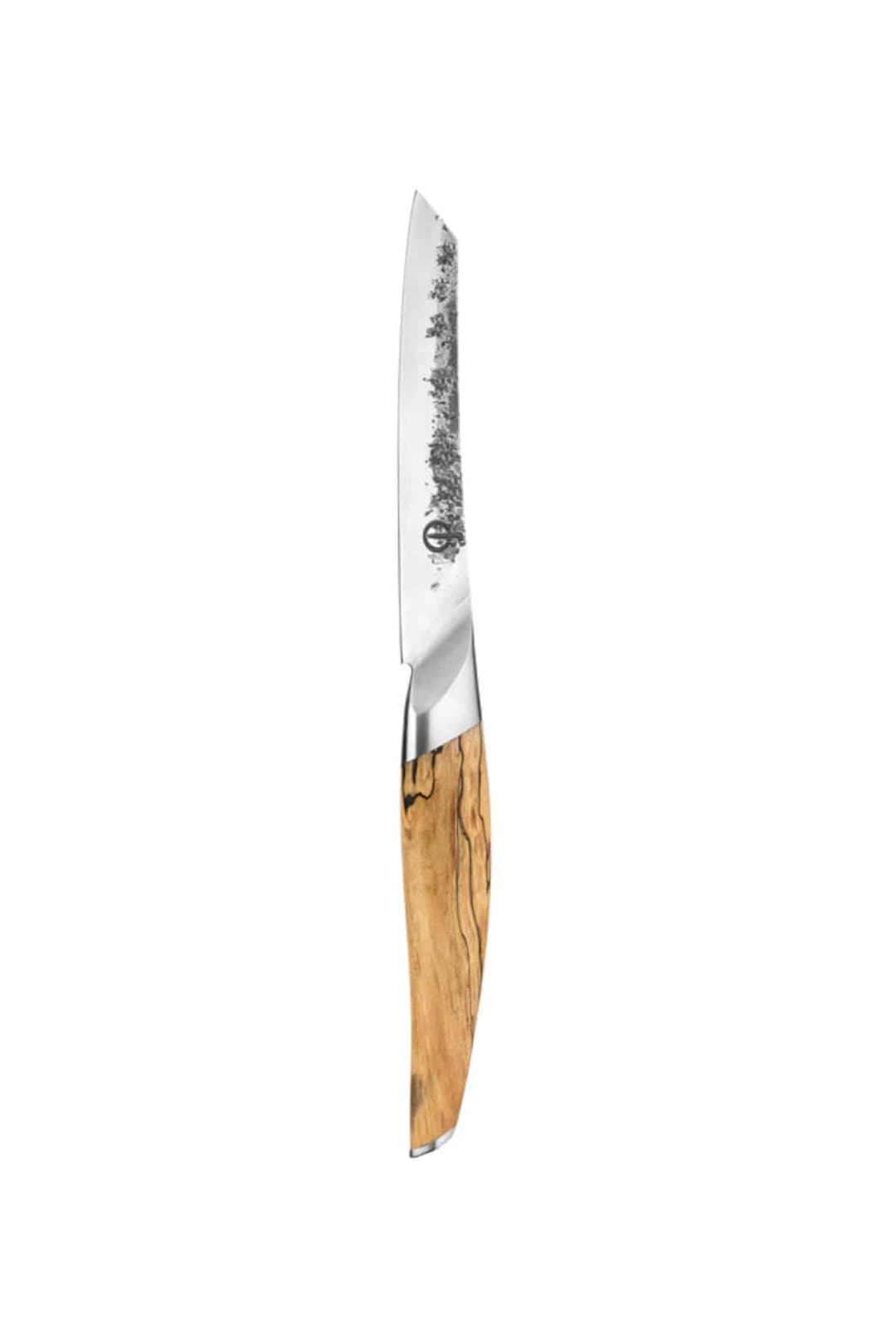
A narrow, rigid knife that follows meat closely along the bone. For anyone boning ribs, chicken or a shoulder themselves and wanting to waste as little as possible.

  • Narrow blade that follows the bone precisely
  • Rigid forged steel, doesn't flex under pressure
  • Less meat loss when boning and trimming
In stock
49,56
incl. VAT
Delivery: 1 working dayFree from €80 to NL and Belgium
Tested by the teamOnly brands we stand behind ourselves
Q-ShopsCertified Dutch webshop
Secure paymentiDEAL, Bancontact or PayPal

What do you use a Brute Forged boning knife for?

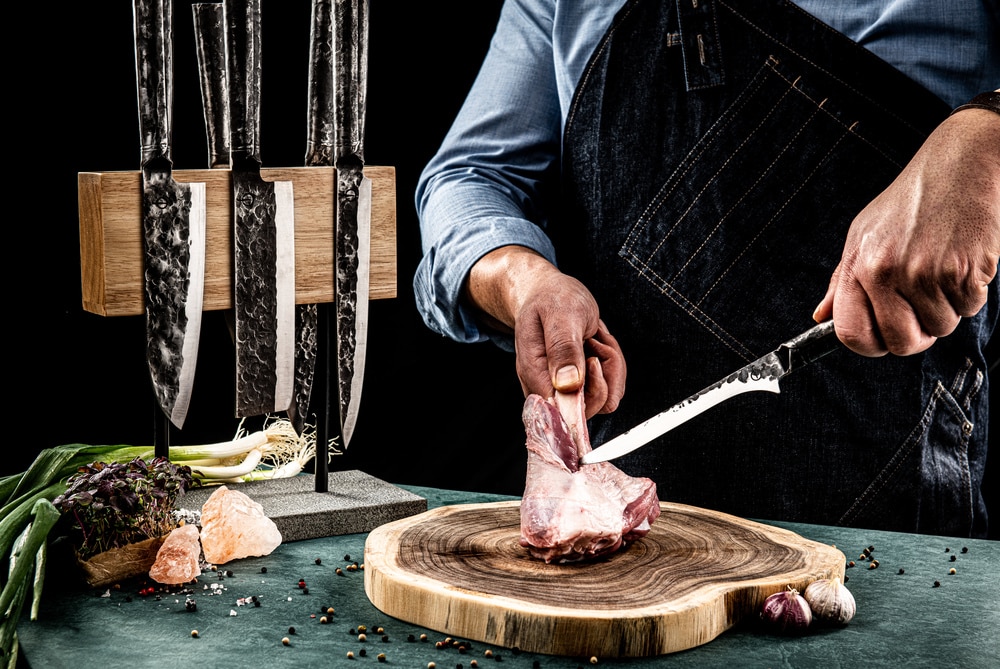
For freeing meat from bone, sinew and silverskin. The narrow, rigid blade follows the bone instead of pushing through it, so you waste less meat and portion more neatly. Think of taking a chicken breast off the carcass, removing the membrane from ribs, or boning a shoulder for the kamado.

  • Narrow, rigid blade built to follow bone
  • For boning, trimming membrane and paring meat
  • Hand wash and dry immediately, not dishwasher safe

The Brute Forged boning knife is made for work a chef's knife is too unwieldy for. The blade is narrow and rigid, so you can steer the tip along the bone without the knife wandering. That lets you free meat rather than cut it away: you keep more on your board and the pieces look neater.

Typical jobs for this knife: taking a chicken breast off the carcass, removing the membrane from spare ribs, boning a pork shoulder or leg of lamb, and trimming sinew and silverskin off a piece of meat. Even when you buy meat on the bone and portion it yourself for the kamado, this is the knife you start with.

  • Narrow, rigid blade for working along bone
  • Forged steel with the matte Brute Forged finish
  • Tip holds its line, even under pressure
  • Cuts sinew and silverskin away cleanly
  • Complements a chef's knife and carving knife well

How to work with the Brute Forged boning knife

Work dry and with care. Lay the meat down stably, first feel with your fingers where the bone runs, then cut along the bone in short strokes with the tip. Let the knife feel the bone rather than pushing through it. For silverskin, place the tip underneath, tilt the blade slightly up and pull through with the cutting edge away from the meat.

Care

Wash the knife by hand after use, especially after handling raw meat, and dry it immediately. Not dishwasher safe. Store it on its own, for example on a magnetic strip or in a sheath, so the thin tip doesn't get damaged. Hone the edge regularly, since with a narrow knife you notice a dull edge straight away.

For portioning and cutting after boning, check the knives for a carving knife from the same range. Find a sturdy board at the serving boards and cutting boards, and to keep the edge at the right angle, use a sharpener from the Horl knife sharpeners.
Specs

Technical,
to the gram.

Product

  • SKUBruteUitbeen
  • StockIn stock
  • BrandBrute Forged
Brute Forged - Boning Knife
BruteUitbeen

Frequently asked questions

What's the difference with a carving knife?
A boning knife is narrow and rigid and meant for freeing meat from the bone. A carving knife is longer and wider and used to cut cooked meat into neat slices.
Can I also use it to fillet fish?
It works fine for small amounts, but a true filleting knife is more flexible and follows the bone more smoothly. This knife is stiffer and therefore mainly meat focused.
Can this knife go in the dishwasher?
No. Wash it by hand, especially after raw meat, and dry it immediately. Dishwasher detergent and heat damage the edge and the handle.
How often does it need sharpening?
Hone the edge regularly with a honing steel. Sharpening is only needed once honing stops helping, usually a few times a year with normal use.