
Grill Bill
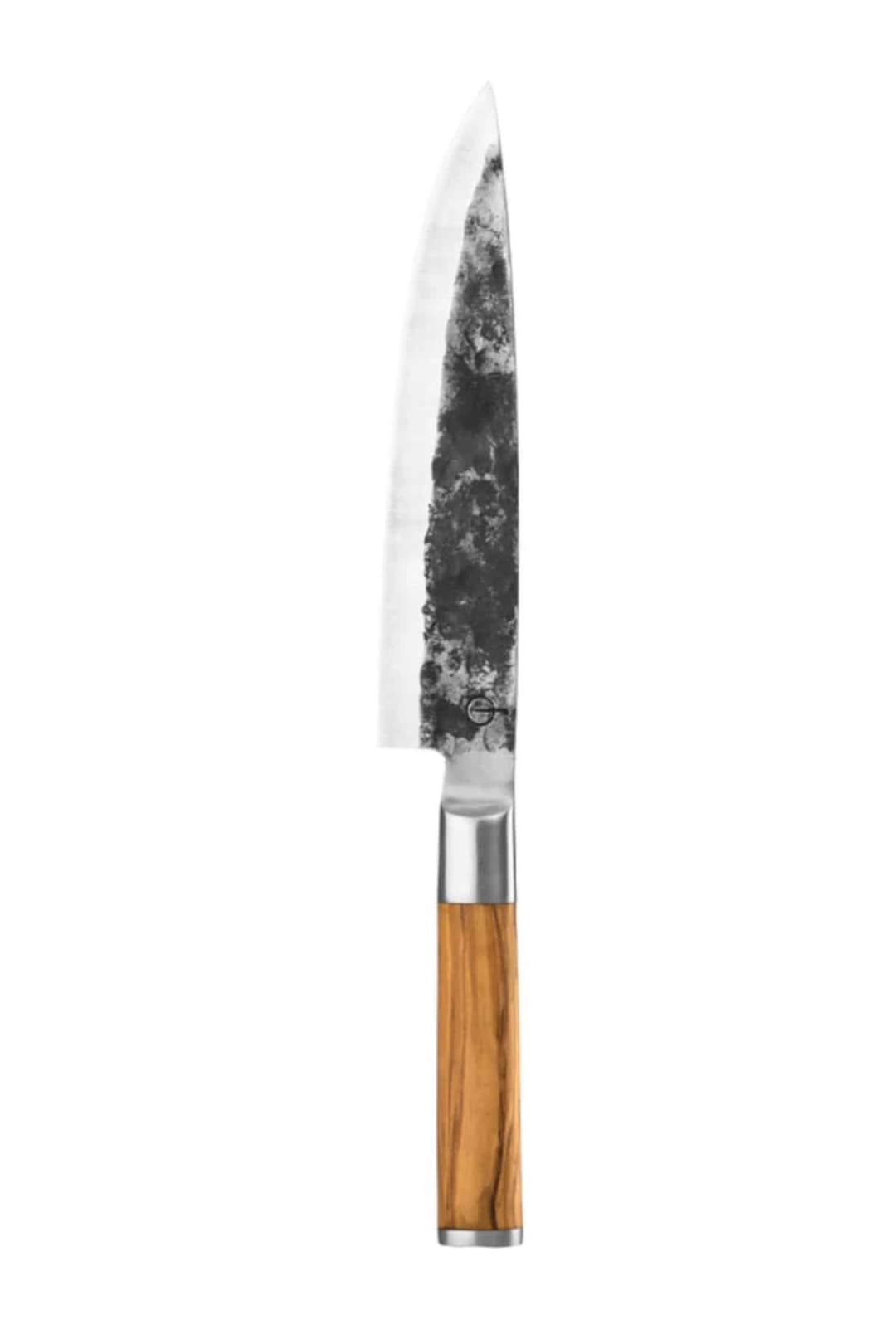
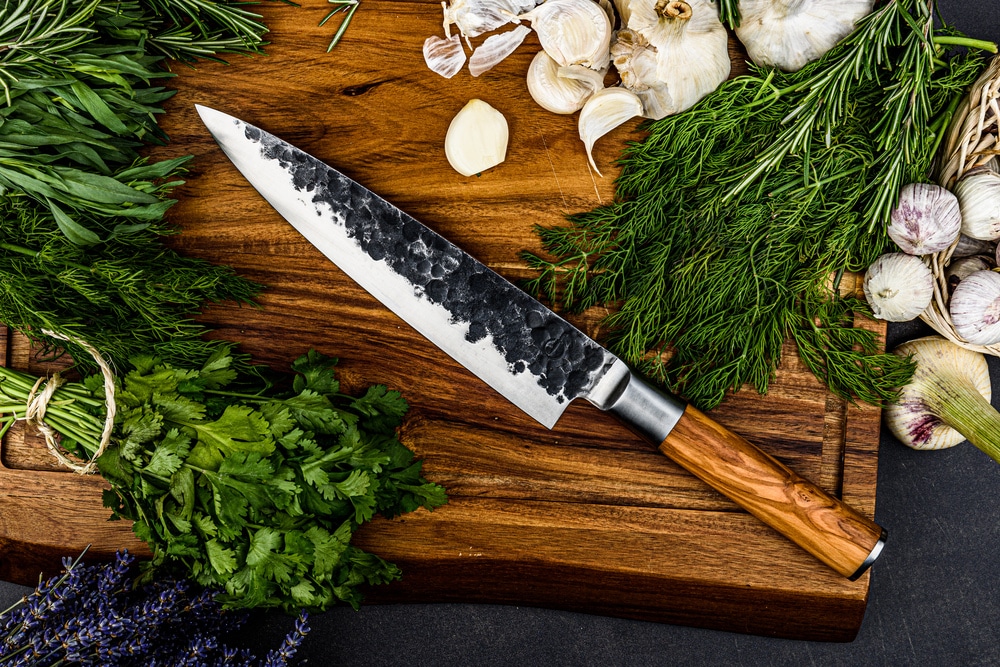
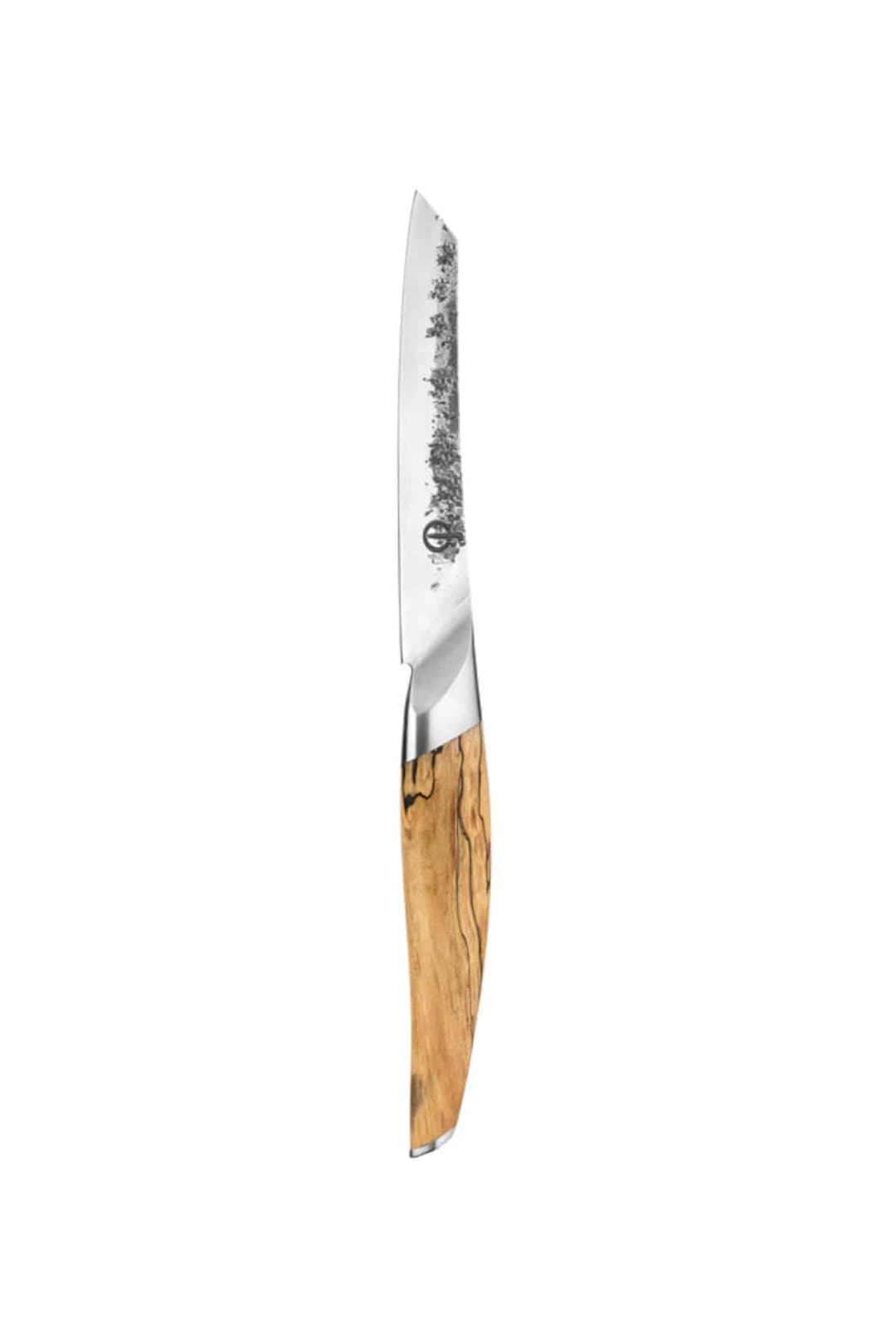
Olive Forged - Chef's Knife
  • Olive Forged - Chef's Knife
  • Olive Forged - Chef's Knife
  • Olive Forged - Chef's Knife
  • Olive Forged - Chef's Knife
FRAME · 01 / 04
360° VIEW ·

Olive Forged - Chef's Knife

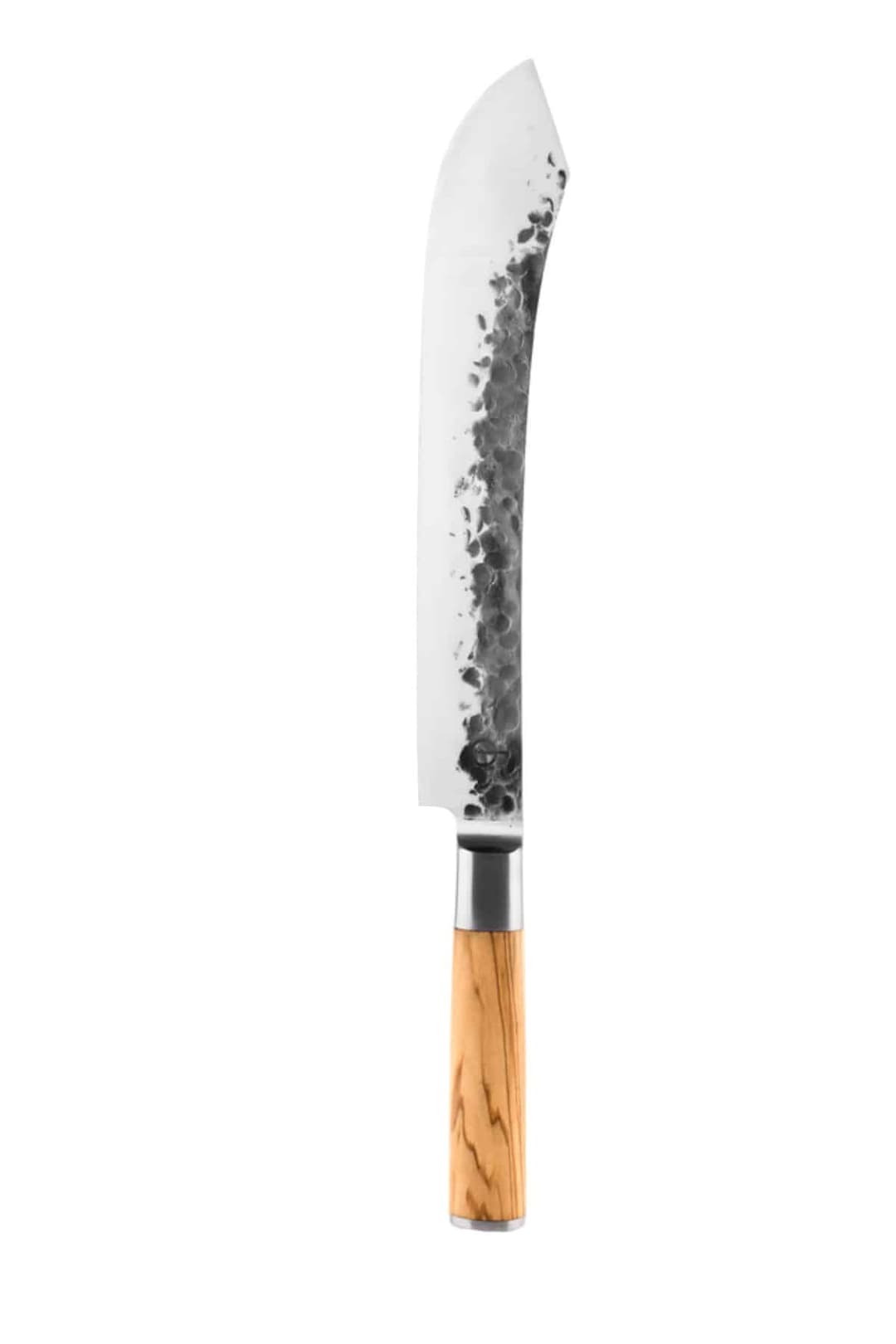
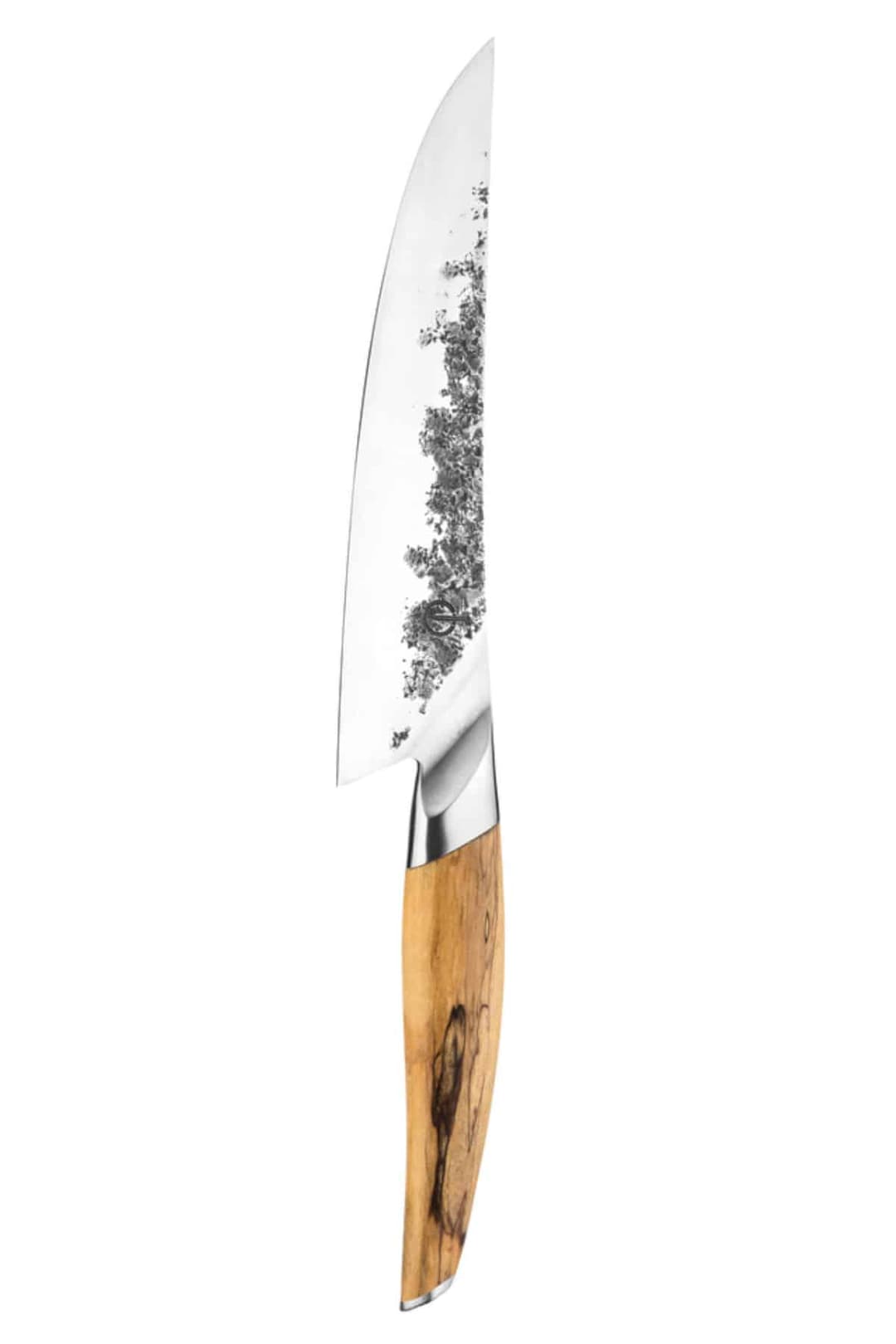
The base knife for almost all your cutting work: vegetables, herbs, meat and prepping for your bbq day.

  • Wide blade with room for your knuckles
  • Olive wood handle with its own grain per knife
  • Good balance, even during longer cutting sessions
Out of stock
54,-
incl. VAT
Delivery: 1 working dayFree from €80 to NL and Belgium
Tested by the teamOnly brands we stand behind ourselves
Q-ShopsCertified Dutch webshop
Secure paymentiDEAL, Bancontact or PayPal

What do you use a forged chef's knife for?

For daily cutting work: cutting vegetables, chopping herbs, cutting meat into pieces and prepping for your bbq. The wide blade has enough height to keep your knuckles clear and enough weight to go through hard vegetables without force. For boning or slicing, use a narrower knife instead.

  • For vegetables, herbs, meat and general prep
  • Wide blade with a slight curve for rocking
  • Olive wood handle: wash by hand

A forged chef's knife is the knife you pull out of the block most often. This Olive Forged knife combines a wide, forged blade with an olive wood handle, so it sits calmly in the hand. The balance point sits around the transition from handle to blade, which makes a difference during half an hour of cutting for a big bbq.

The blade has a slight curve, so you can rock it when finely chopping herbs and onion, and enough height to keep your knuckles clear of the board.

  • Wide blade for chopping, cutting and fine dicing
  • Slight curve to rock through herbs and onion
  • Enough blade height, so your knuckles stay clear of the board
  • Olive wood handle, every piece with its own grain
  • Matches the rest of the Olive Forged series

Why a forged chef's knife is your base knife

With this one knife you handle the vast majority of your prep: vegetables into cubes, herbs finely chopped, bacon into strips, chicken into pieces. You only reach for a specialised knife once the work calls for it, for example when boning or slicing cooked meat.

How to cut safely and quickly

Hold the knife with your thumb and index finger just in front of the handle, that gives control. Make a claw with your other hand, fingertips curled in, and let the side of the blade rest against your knuckles. Cut forward and down instead of pushing straight down.

Bill's tipPut a damp cloth under your chopping board. The board won't slide then, and you cut noticeably more calmly and safely.

Maintenance

Wash by hand, dry immediately and don't put it in the dishwasher. Straighten the edge regularly and only sharpen once honing no longer helps, for example with a sharpener from our Horl knife sharpeners range. More knives are under knives, boards and accessories under knives and chopping boards.
Specs

Technical,
to the gram.

Product

  • SKUOliveKoksmes
  • StockSold out
  • BrandForged
Olive Forged - Chef's Knife
OliveKoksmes
Reviews

What pitmasters
think of it.

5,0
Op basis van 1 reviews
Goed mes, heel scherp, ligt goed in de hand en ziet er ook nog eens prachtig uit!
Anita Groeneveld

Frequently asked questions

What's the difference with the utility knife from the same series?
The utility knife is shorter and handier for small jobs. This knife is larger and meant as the main knife for the board.
Can the knife go in the dishwasher?
No. Wash it by hand and dry it immediately; heat and dishwasher detergent damage the edge and the olive wood handle.
What board should I cut on?
Wood or plastic. Glass, stone and ceramic dull the edge within a few strokes.
How often do I need to sharpen the knife?
Straighten the edge often with a honing steel. Sharpening then usually only needs to happen once or twice a year, depending on how much you cut.