Grill Bill
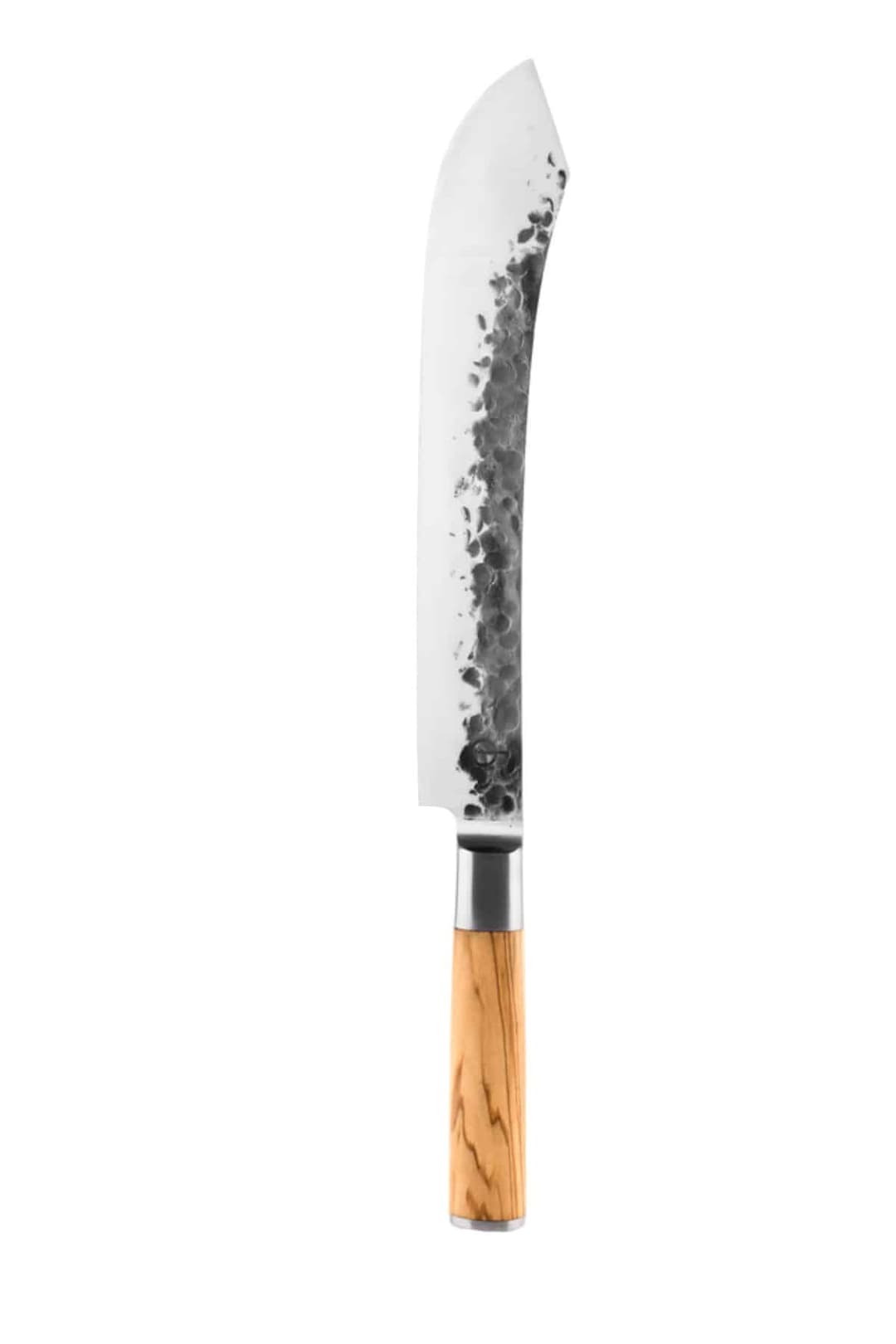
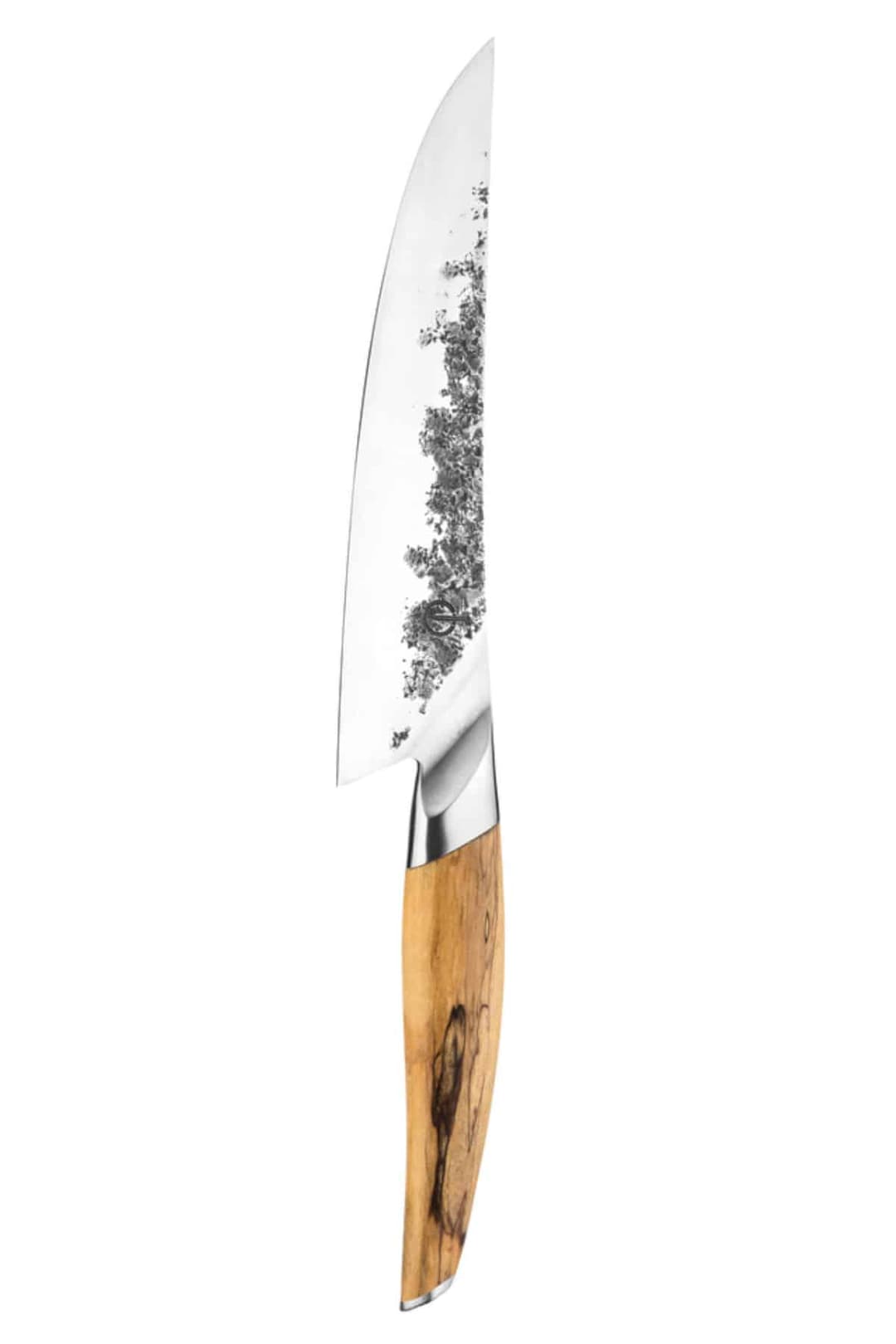
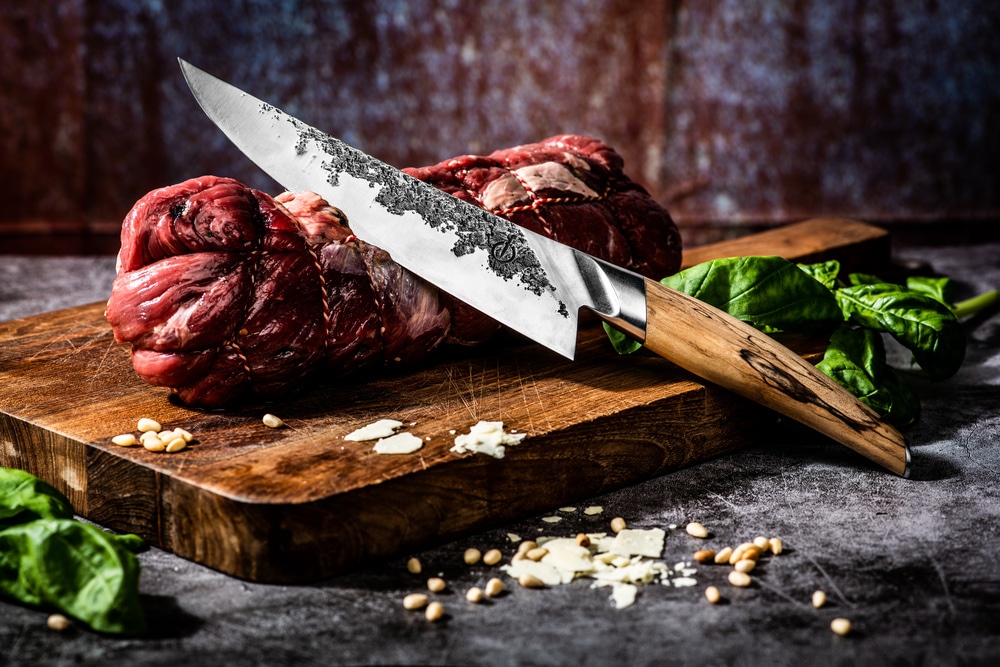
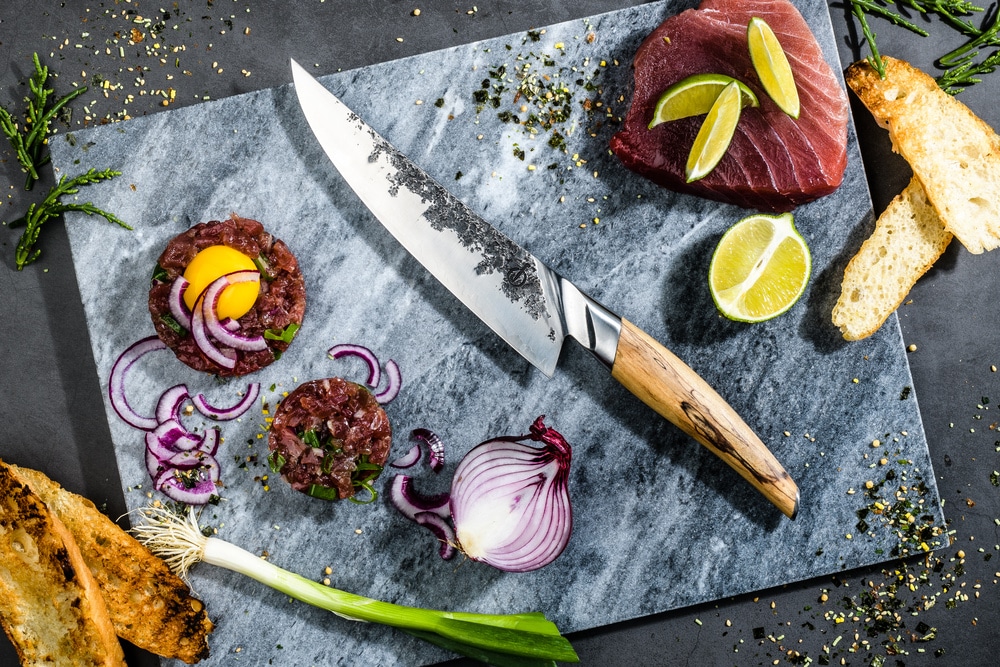
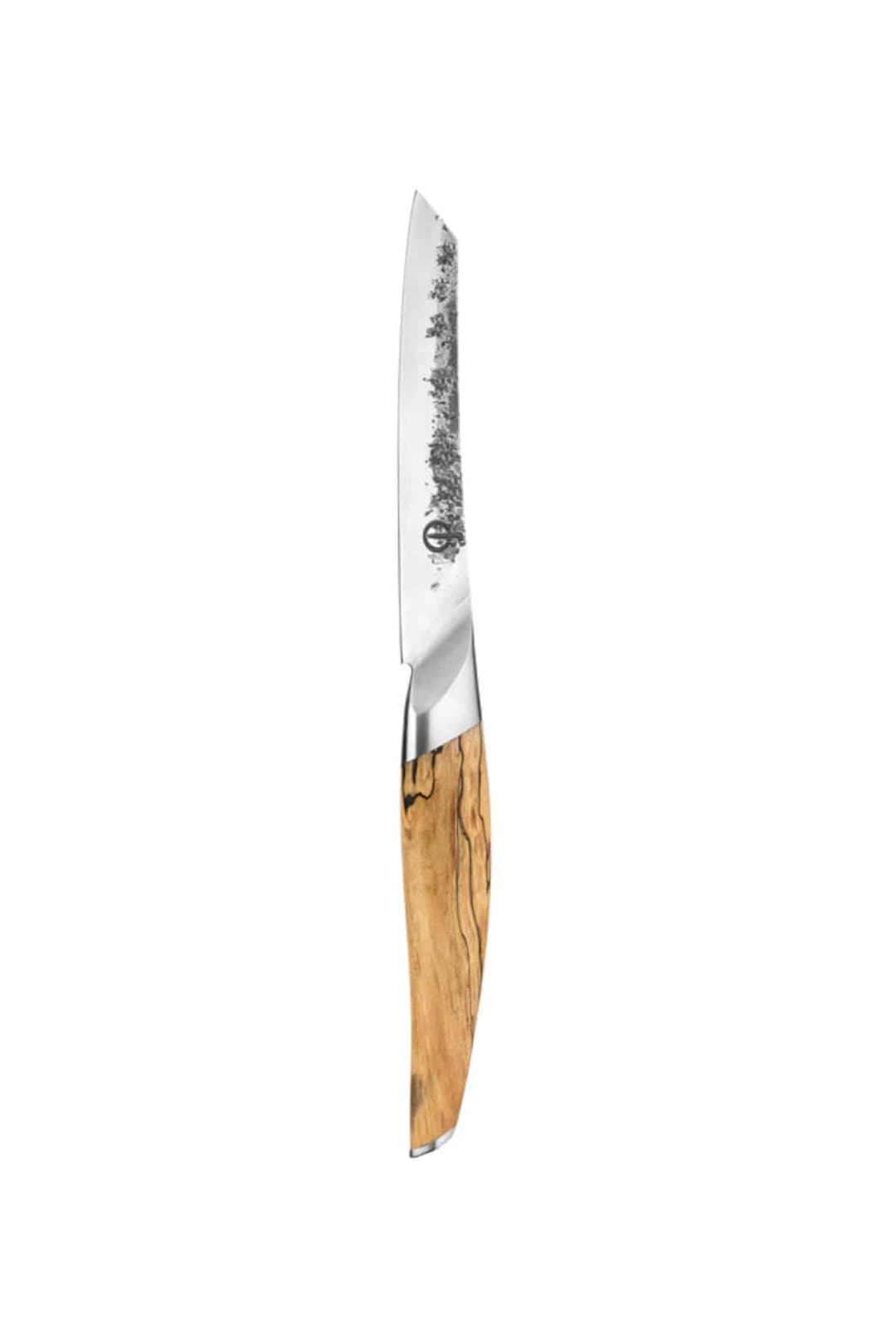
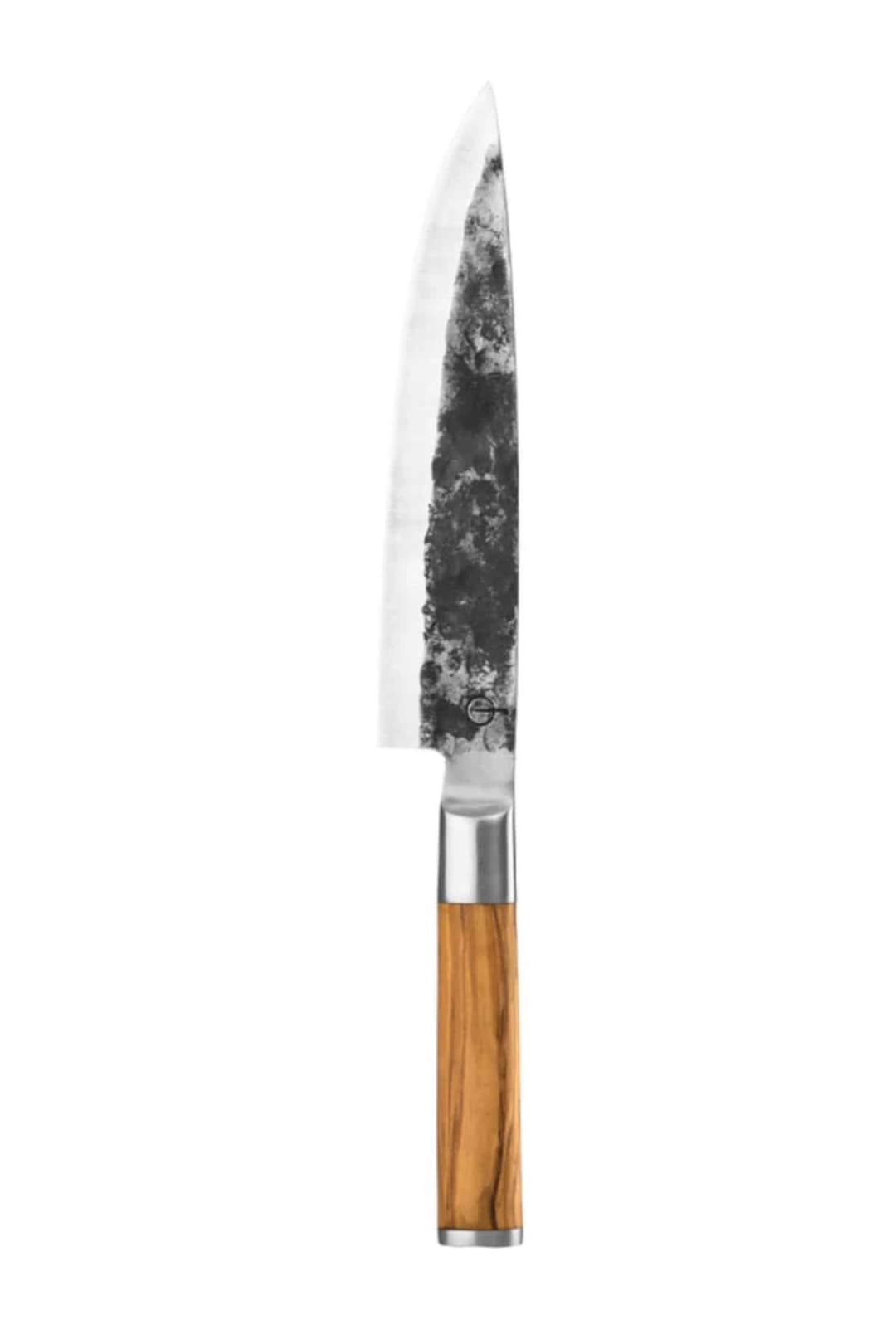
Katai Forged - Chef's Knife - 20.5 cm
  • Katai Forged - Chef's Knife - 20.5 cm
  • Katai Forged - Chef's Knife - 20.5 cm
  • Katai Forged - Chef's Knife - 20.5 cm
  • Katai Forged - Chef's Knife - 20.5 cm
FRAME · 01 / 04
360° VIEW ·

Katai Forged - Chef's Knife - 20.5 cm

The main knife in your kitchen: long enough for big cutting jobs, balanced enough to work with all evening.

  • Forged from a single piece of steel, tang through to the handle
  • 20.5cm blade for big cutting jobs
  • Curved edge, suitable for rocking on the board
Out of stock
99,16
incl. VAT
Delivery: 1 working dayFree from €80 to NL and Belgium
Tested by the teamOnly brands we stand behind ourselves
Q-ShopsCertified Dutch webshop
Secure paymentiDEAL, Bancontact or PayPal

What do you use a Katai chef's knife of 20.5cm for?

As the main knife for almost all cutting work: vegetables, herbs, fruit and boneless meat. The 20.5cm length lets you cut larger produce in one stroke, and the curved edge makes rocking chops on the board easy. For bone or frozen meat, use a butcher's knife.

  • 20.5cm blade, forged from a single piece of steel
  • Curved edge for rocking chops on the board
  • Hand wash and dry immediately, not dishwasher safe

A Katai chef's knife is the knife your kitchen runs on. This one from Katai Forged has a 20.5cm blade with a gently curved edge, so you can keep the tip on the board and mince herbs, onion or garlic in a rocking motion. For large quantities that saves noticeable time.

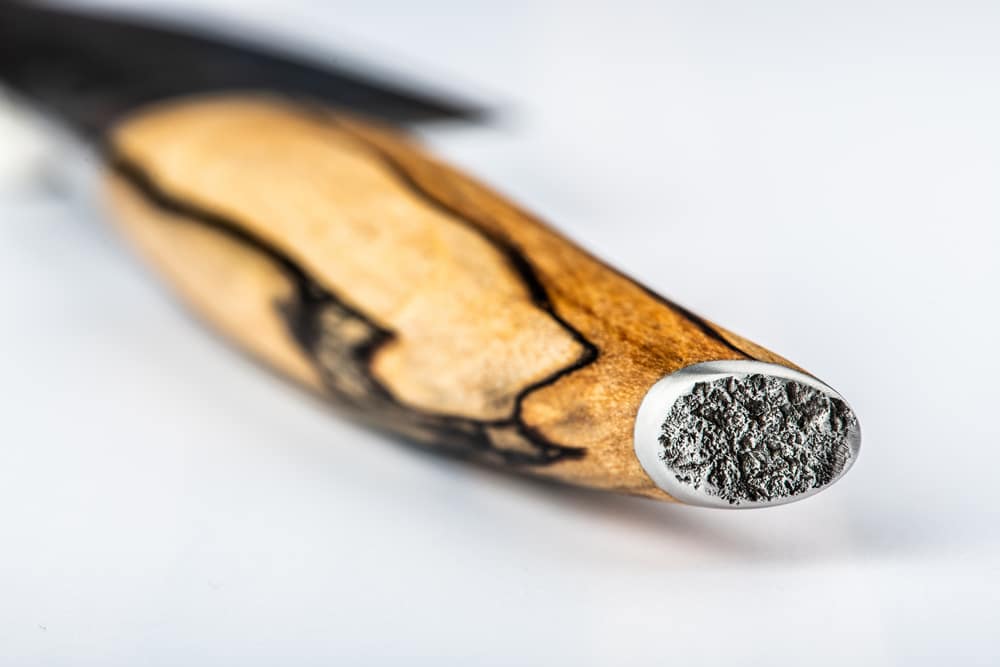
The blade is forged from a single piece of steel and runs through to the handle. That puts weight exactly where it belongs: the knife drops through a pepper or a piece of meat on its own, you do not need to push. At the barbecue you use it for preparing and portioning boneless meat.

  • 20.5cm blade with a gently curved edge
  • Full tang for balance and sturdiness
  • For vegetables, herbs, meat and boneless fish
  • Tall blade keeps your knuckles off the board
  • Part of the Katai Forged knife range

Why a Katai chef's knife cuts differently

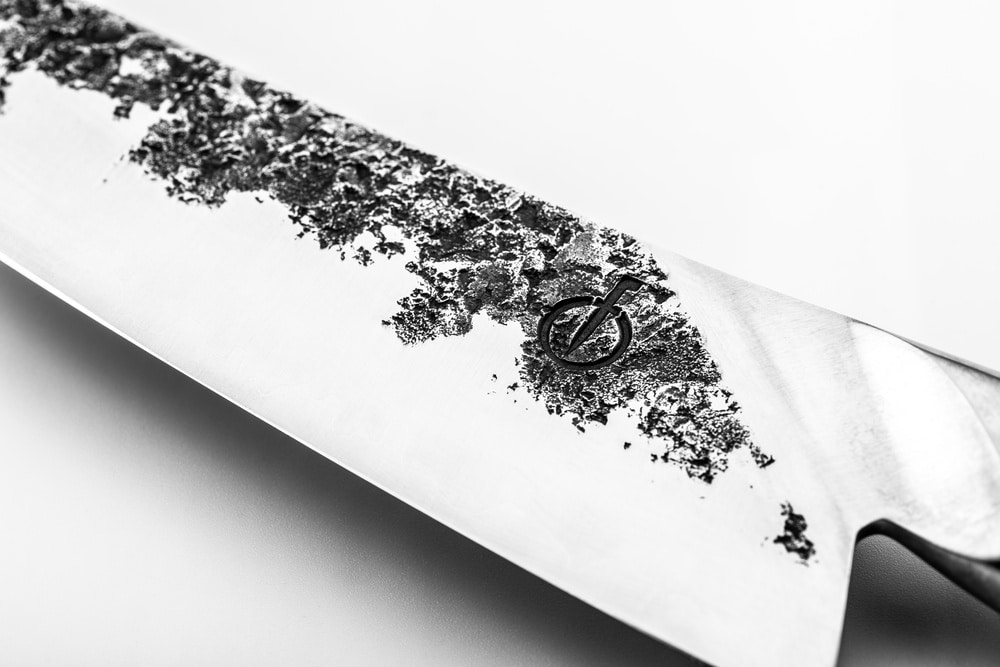
With a forged blade, the steel is shaped under heat instead of stamped from a sheet. The result is a knife with more mass towards the handle and a tighter transition to the blade. You notice that mainly in the balance: the knife does not feel top-heavy and stays pleasant even after half an hour of work.

Maintenance and keeping it sharp

Cut on wood or plastic, rinse the knife straight after use and dry it immediately. Store it separately, for example on a magnetic stand, so the edge never knocks against anything. Touch up the edge regularly at a fixed angle.

Bill's tipNever cut on glass, stone or a ceramic plate. One wrong cut there costs you more sharpness than a month of normal use.

The rest of the range is at knives, including the Katai Forged Santoku knife 18cm as a Japanese alternative. For keeping the edge sharp, see the Horl knife sharpeners.
Specs

Technical,
to the gram.

Product

  • SKU8720039620599
  • StockSold out
  • BrandForged
Katai Forged - Chef's Knife - 20.5 cm
8720039620599

Frequently asked questions

Isn't 20.5cm too long for home use?
Not for most people. This is the standard size for a chef's knife. If it feels unfamiliar, a Santoku of 18cm is a gentler alternative.
What is the difference with a Santoku?
A chef's knife has a curved edge that you rock over the board. A Santoku has an almost straight blade and cuts in a downward stroke. Both work, it is mostly a matter of cutting style.
How often should I sharpen the knife?
That depends on how often you cook. Touch up the edge as soon as you notice a tomato no longer falls open by itself. Short and often is better than heavy and rarely.
Can this knife go in the dishwasher?
Do not do that. Heat, salt and knocking against other cutlery blunt the edge faster and affect the handle. Hand washing and drying immediately is better.