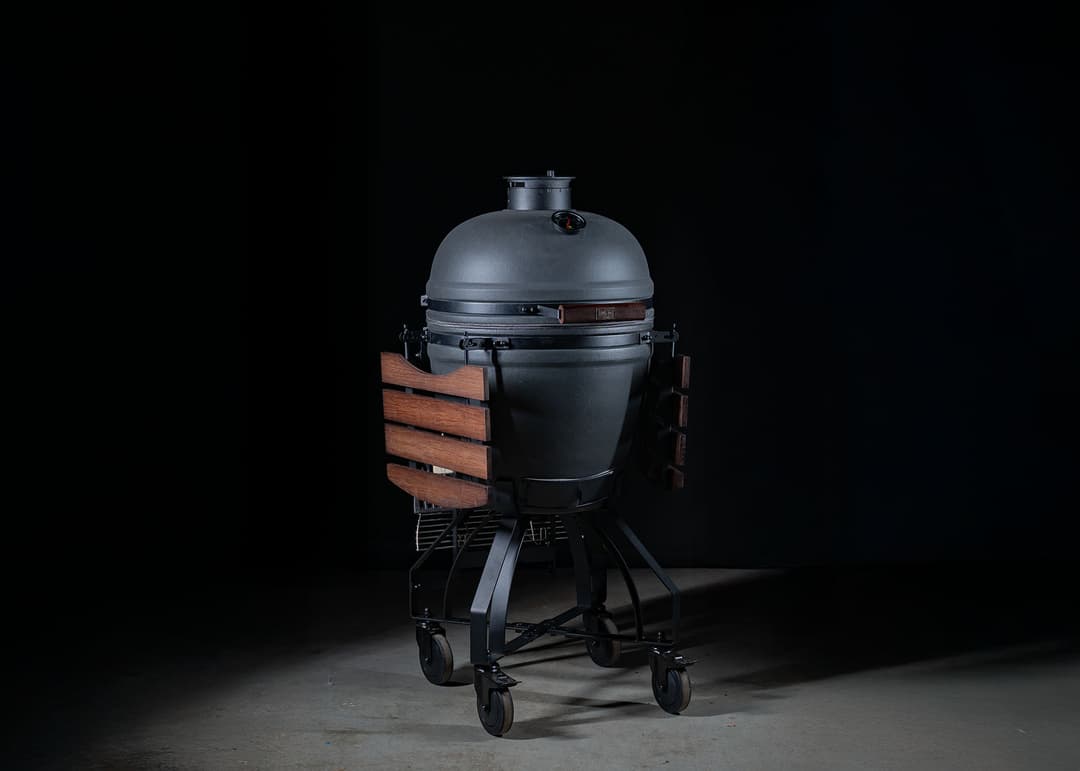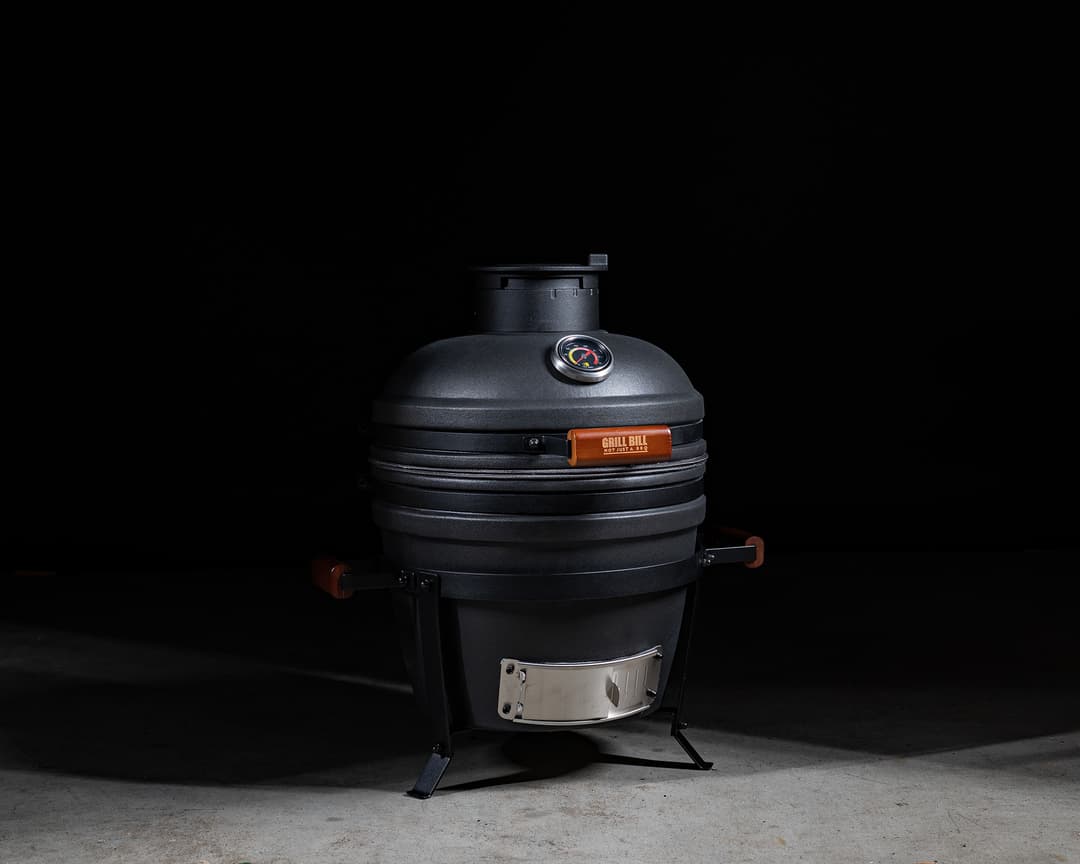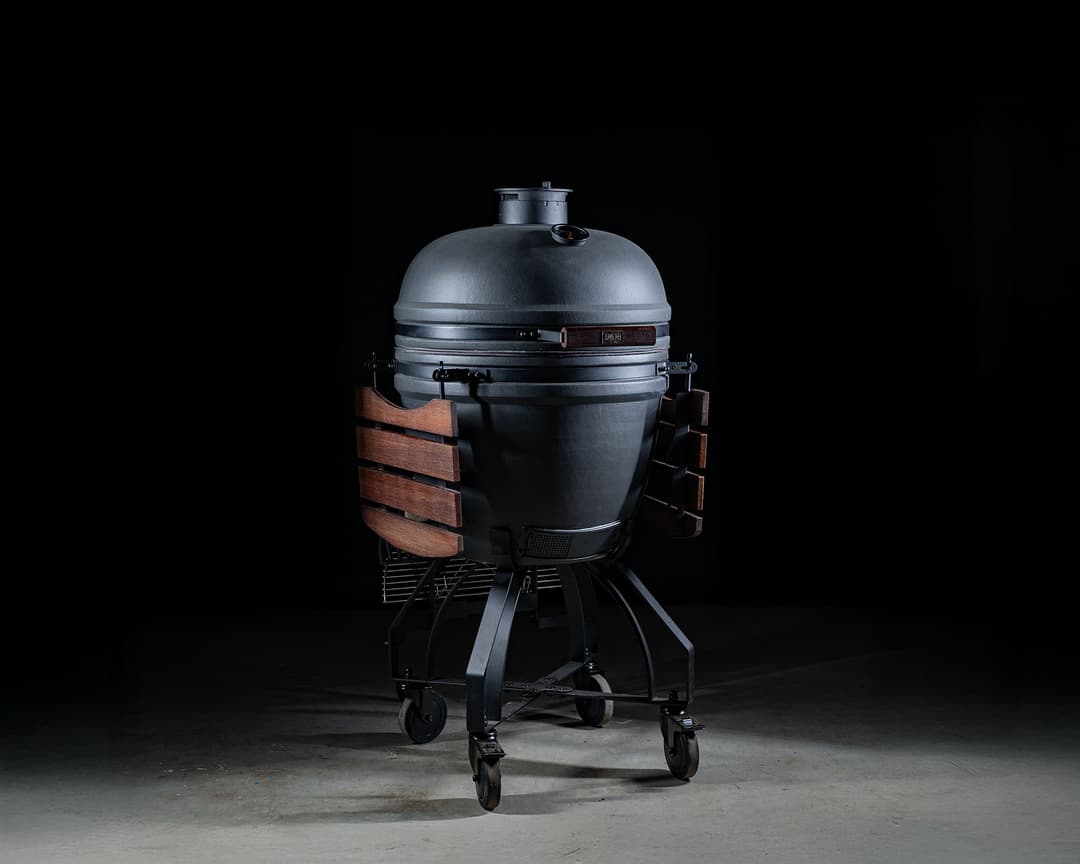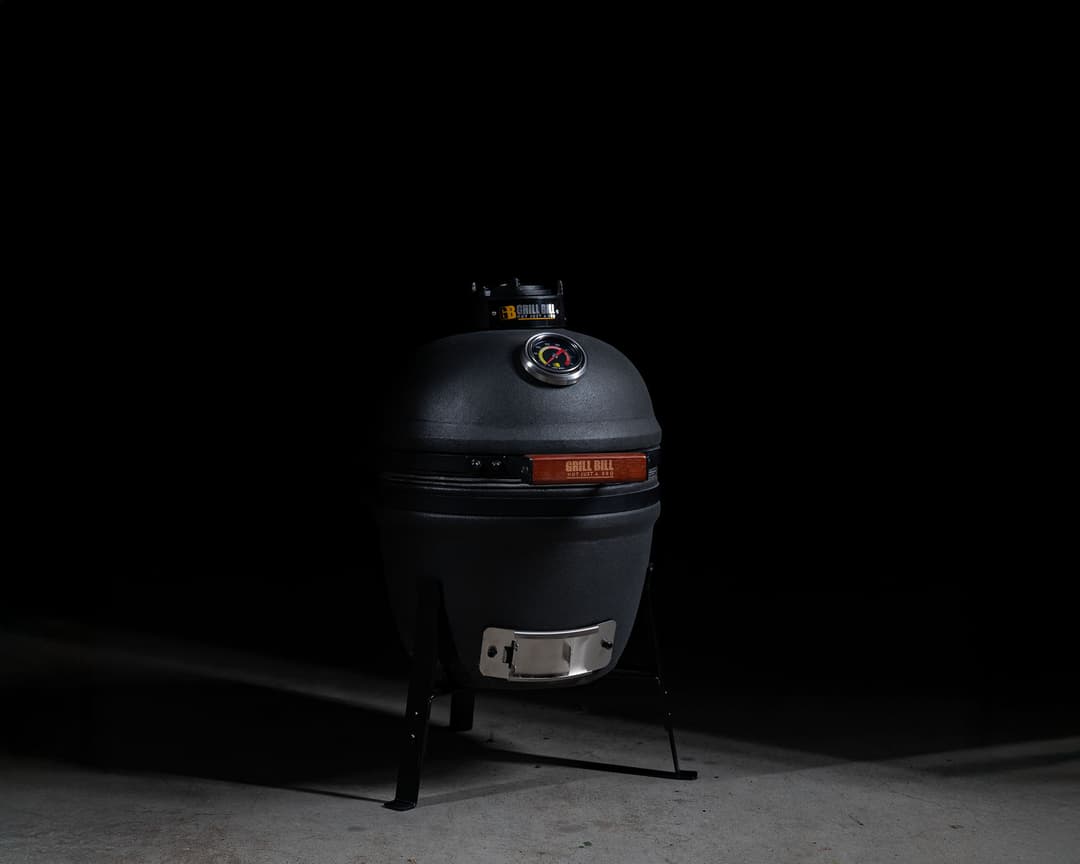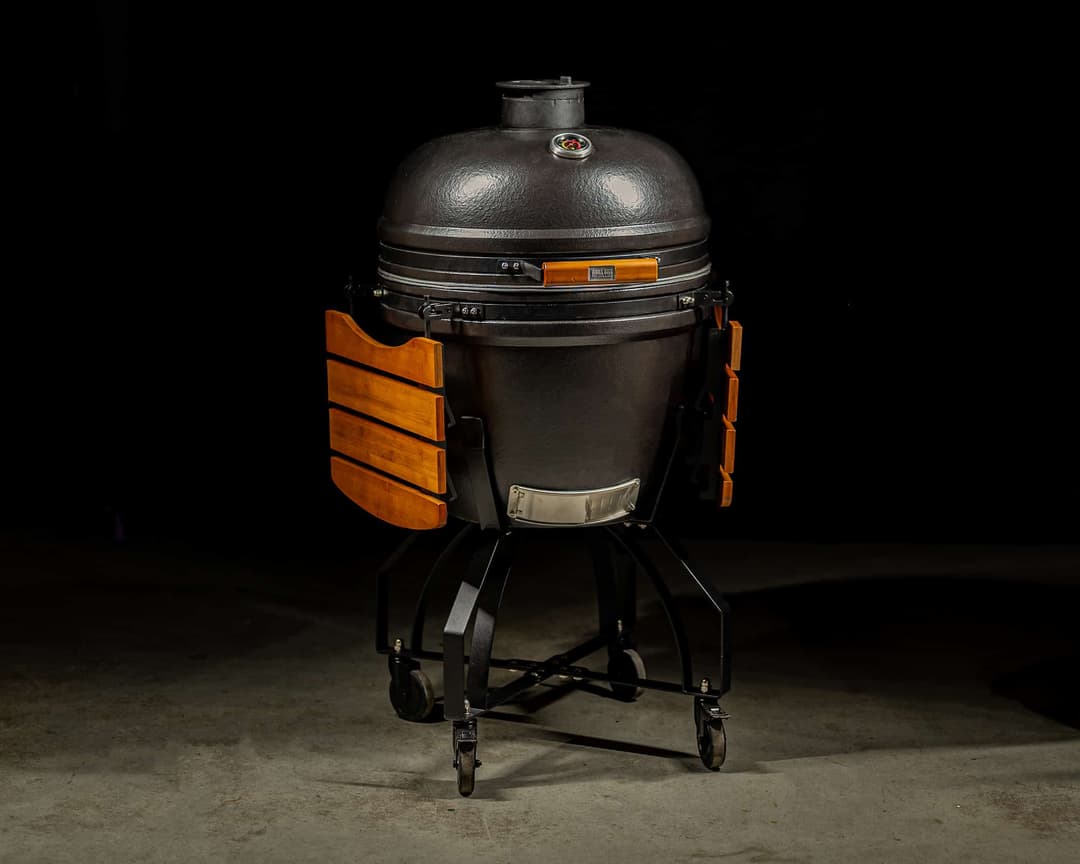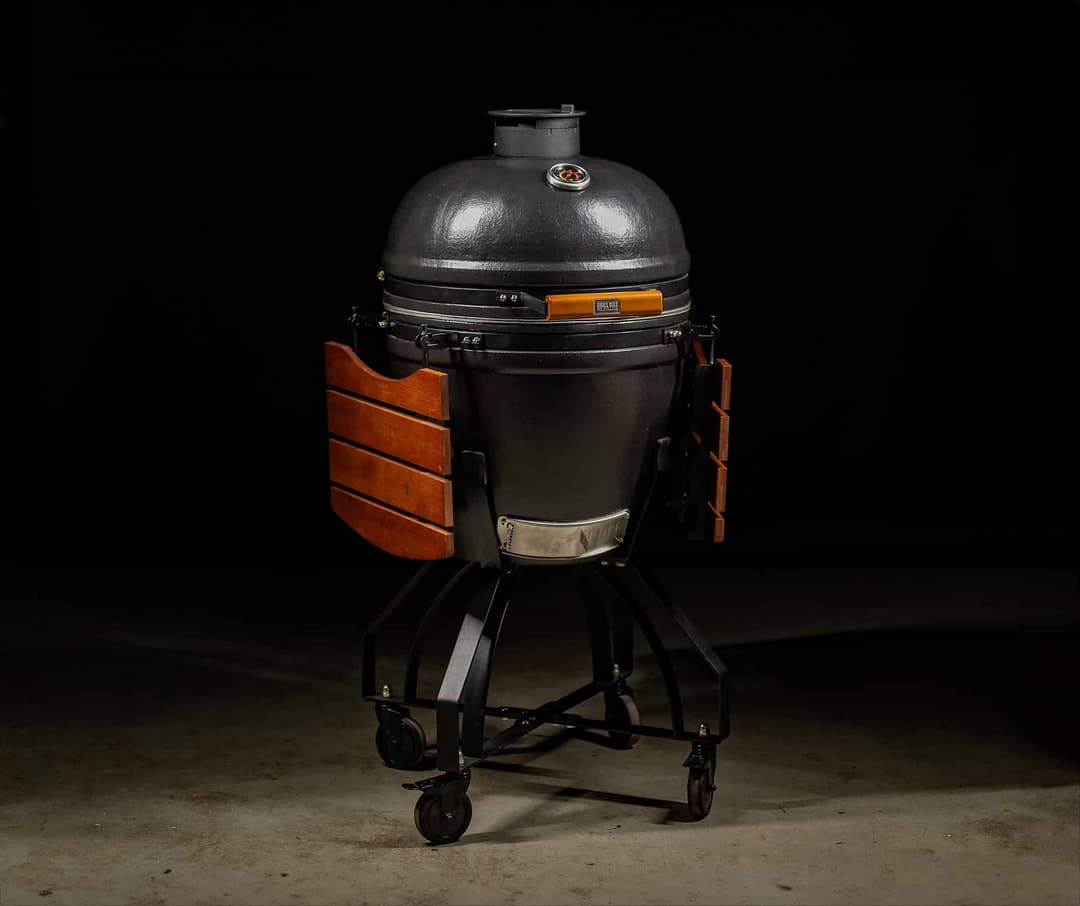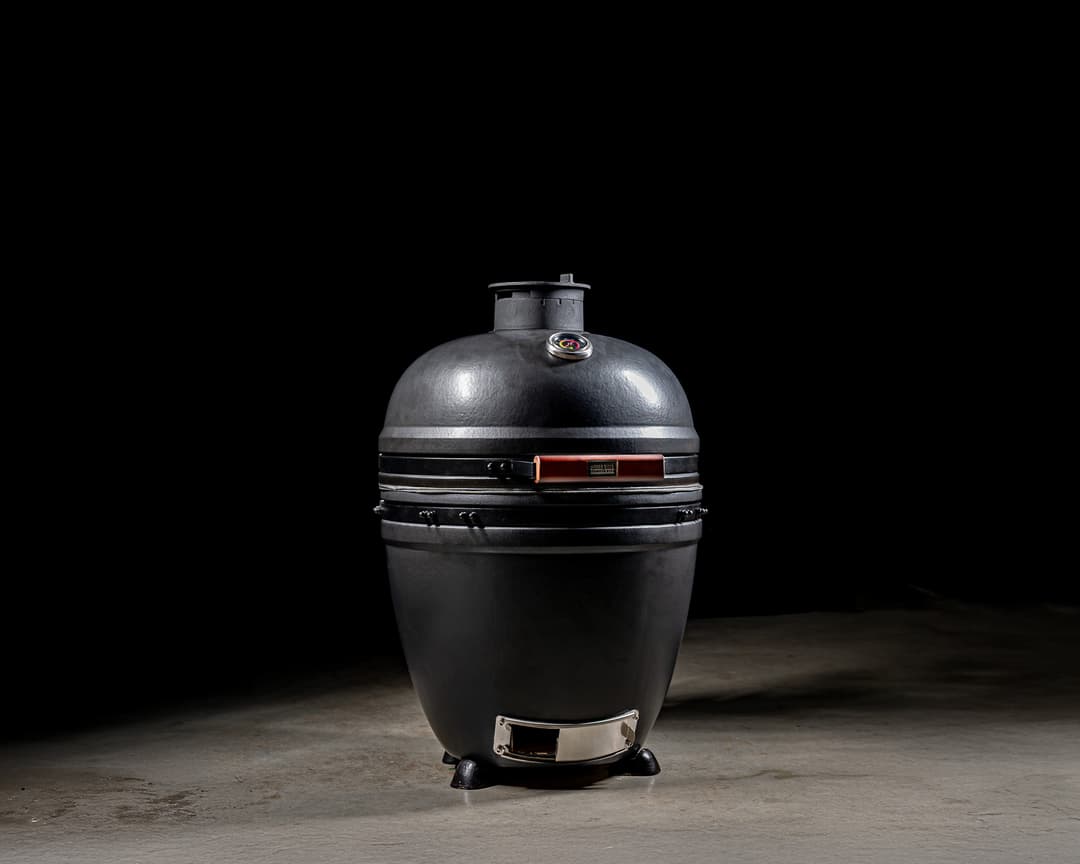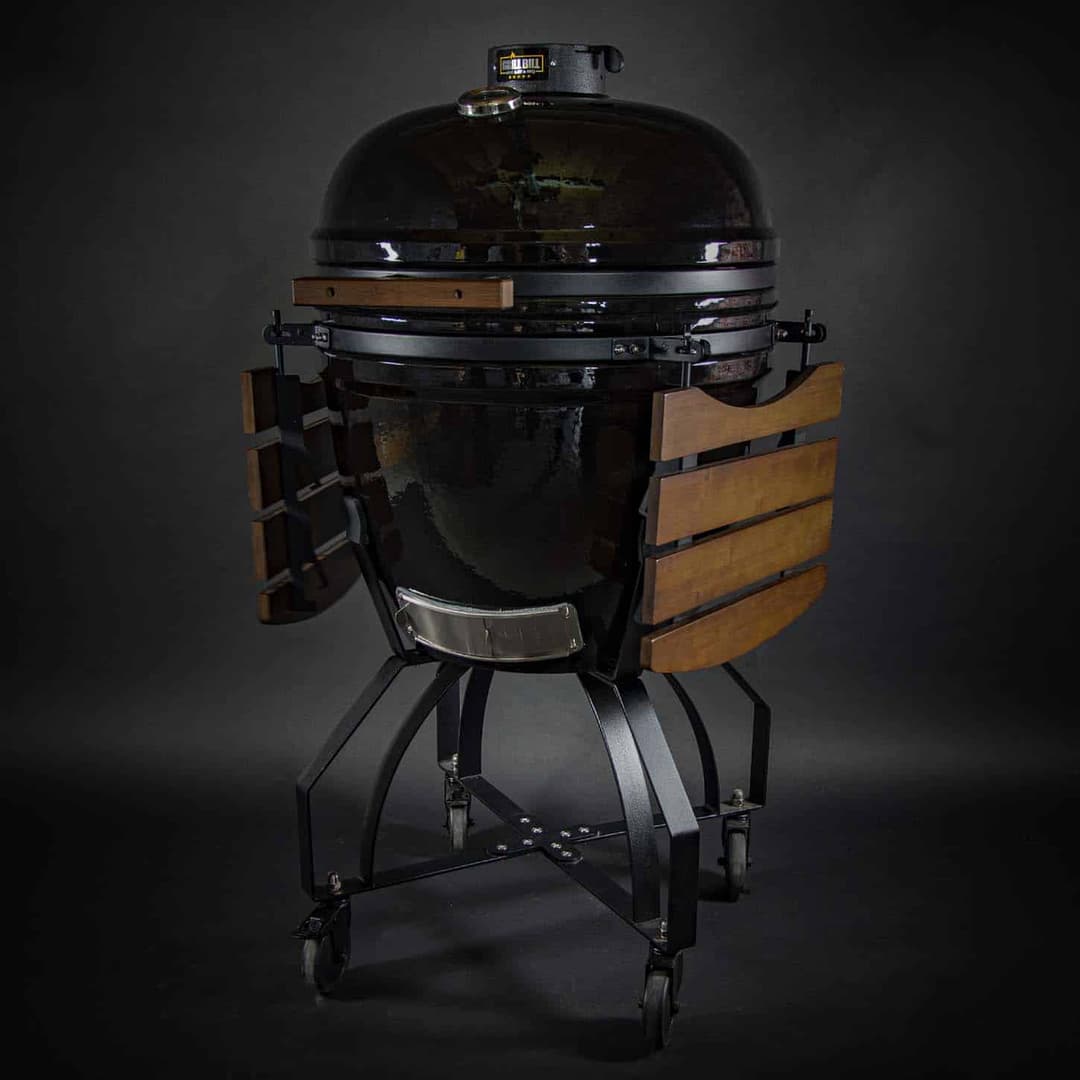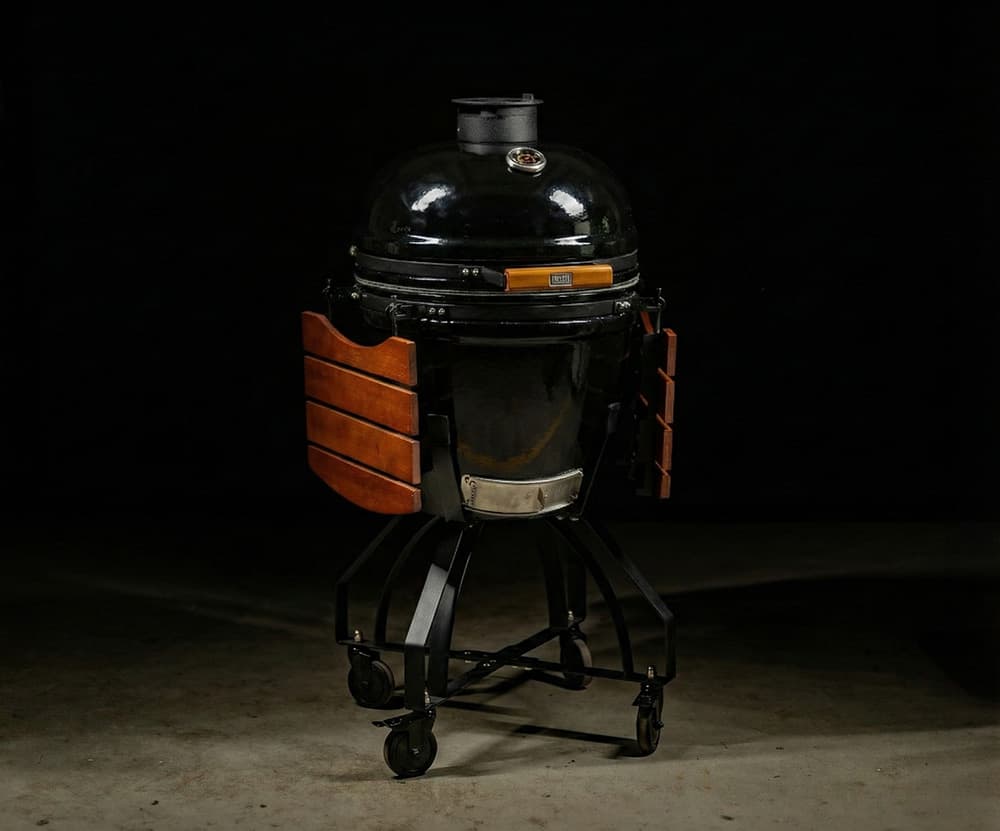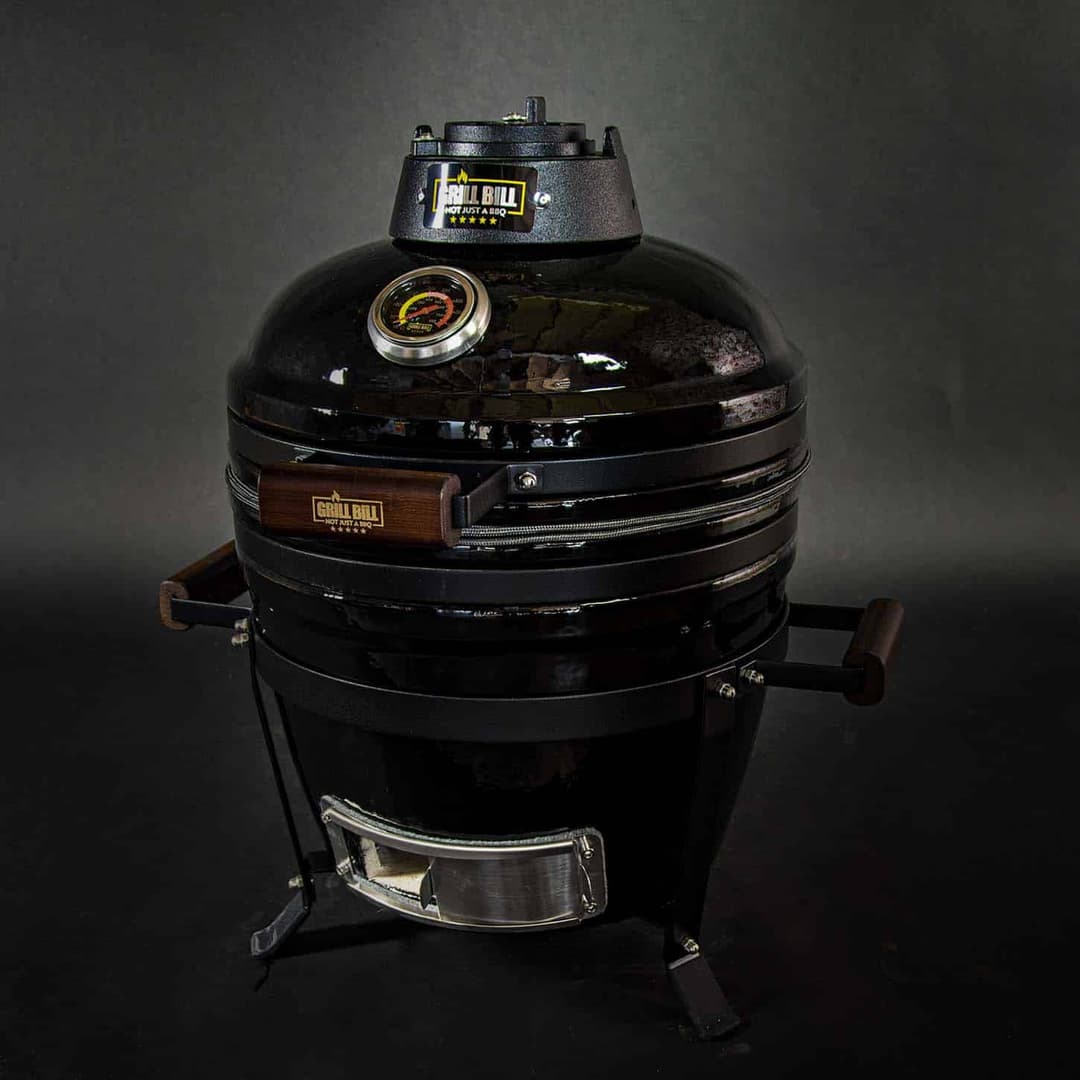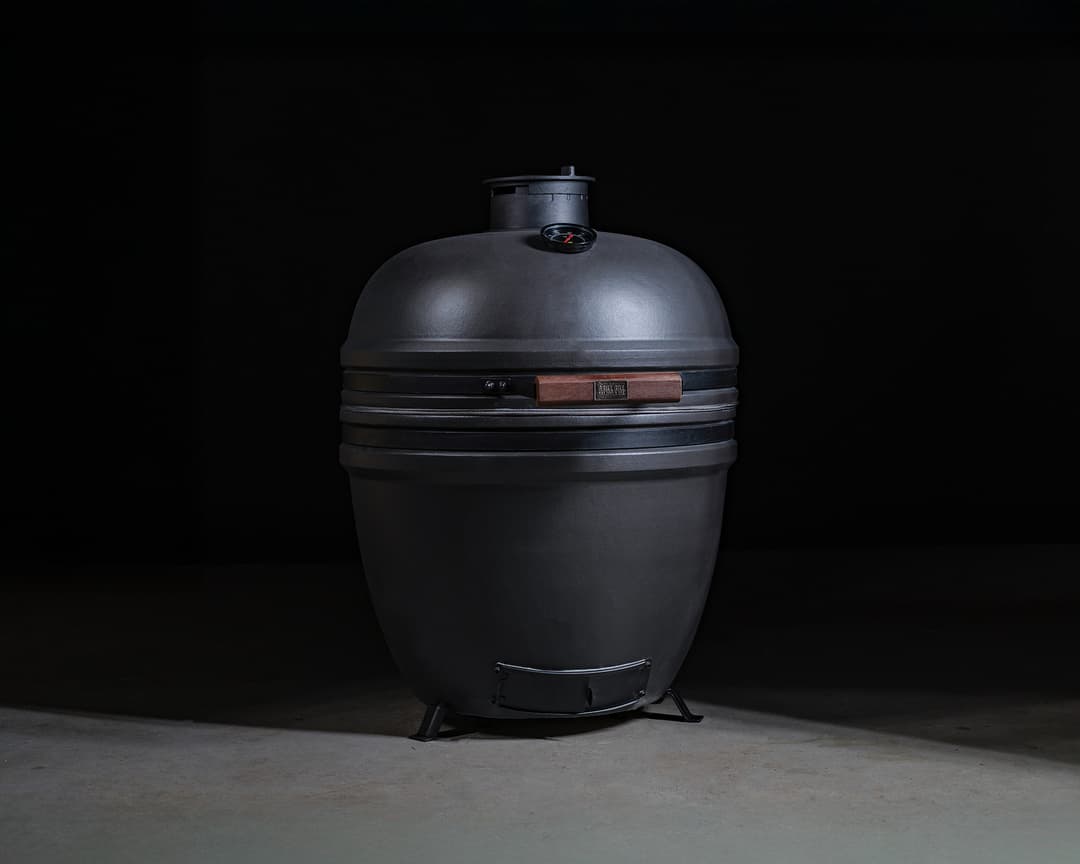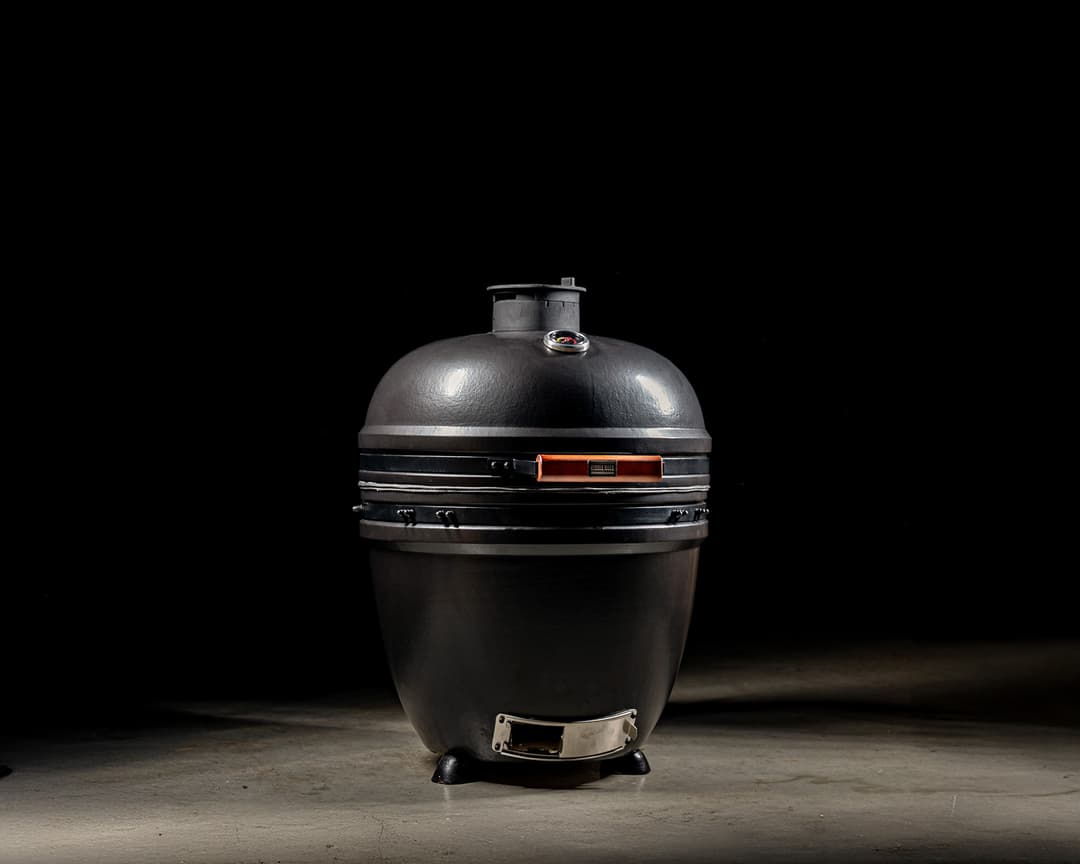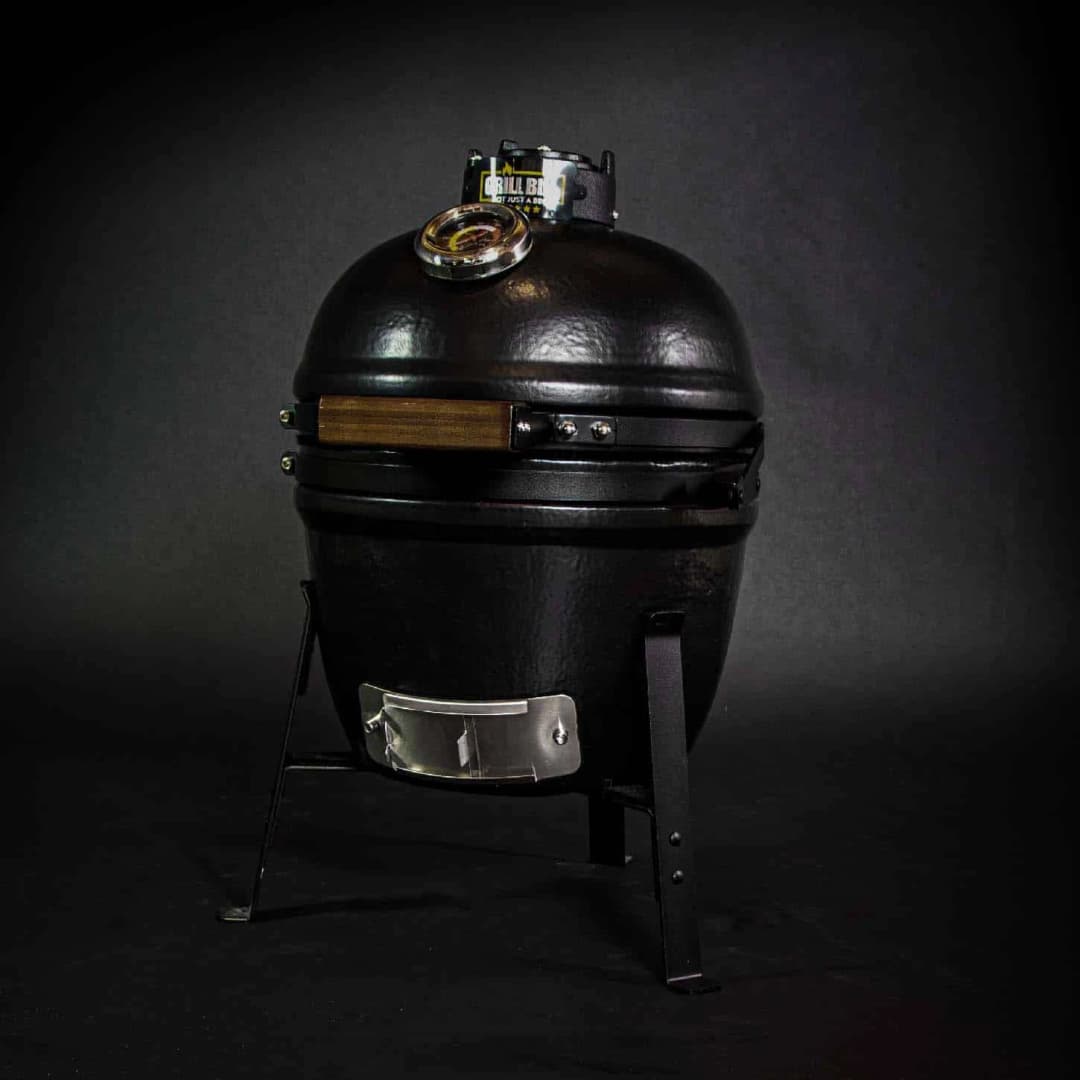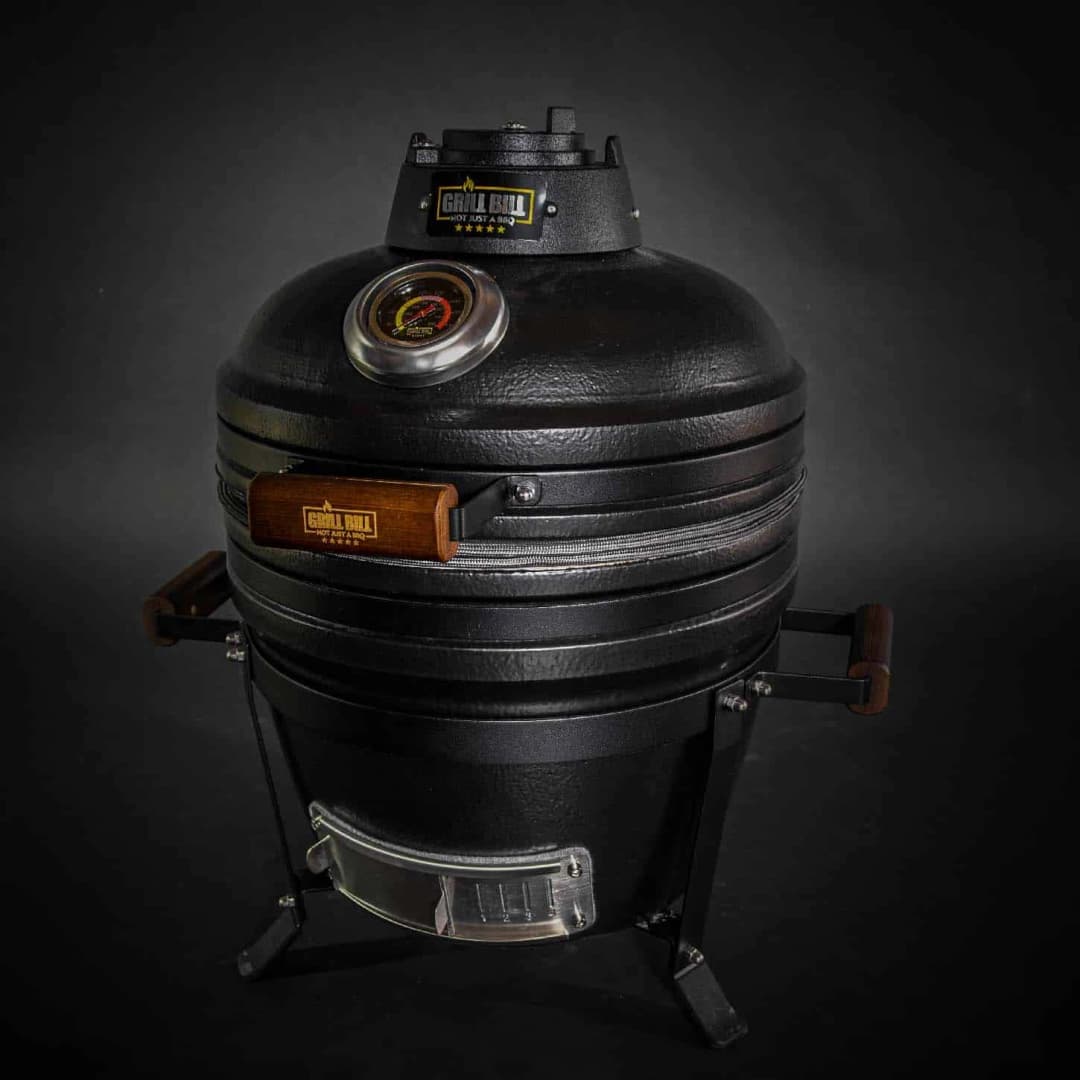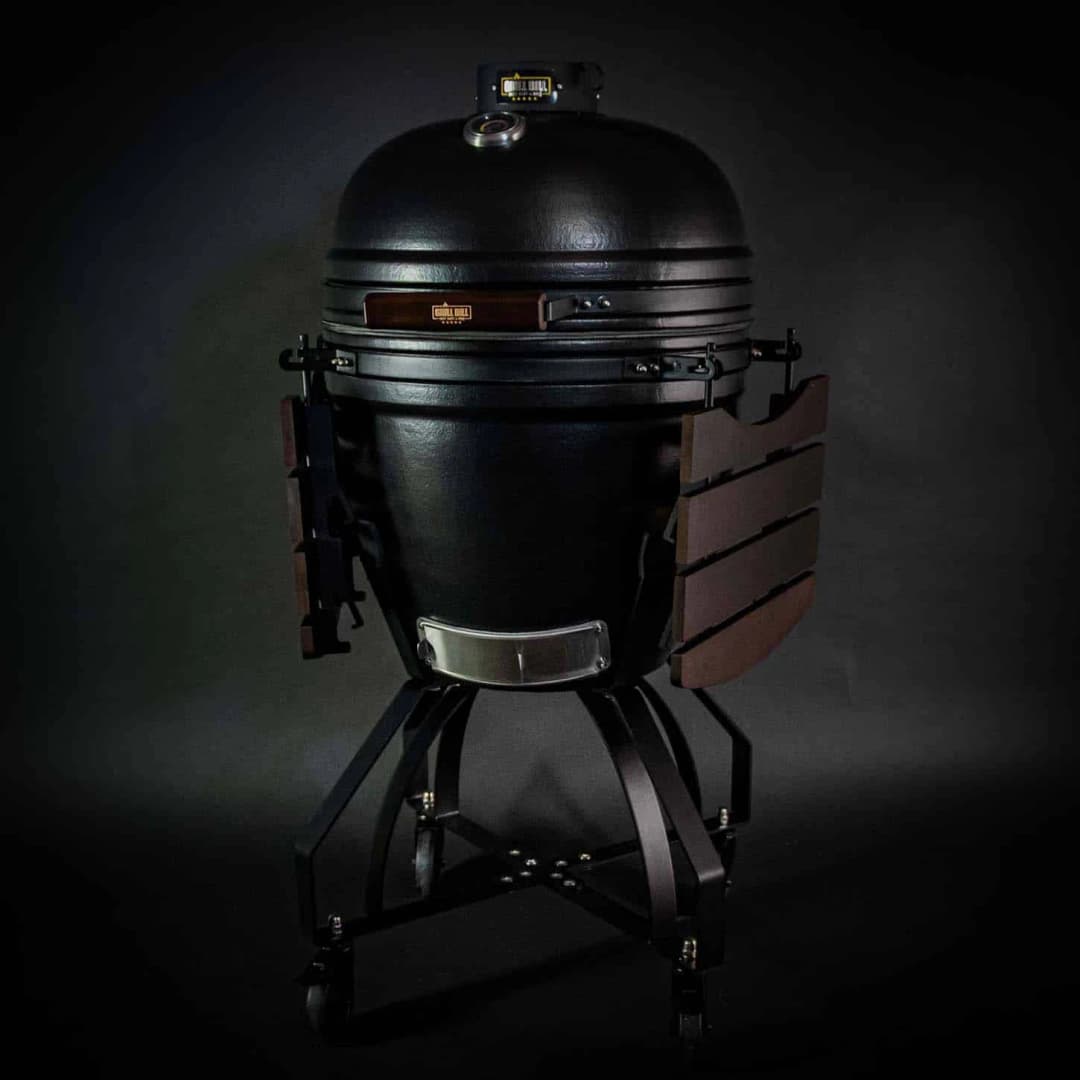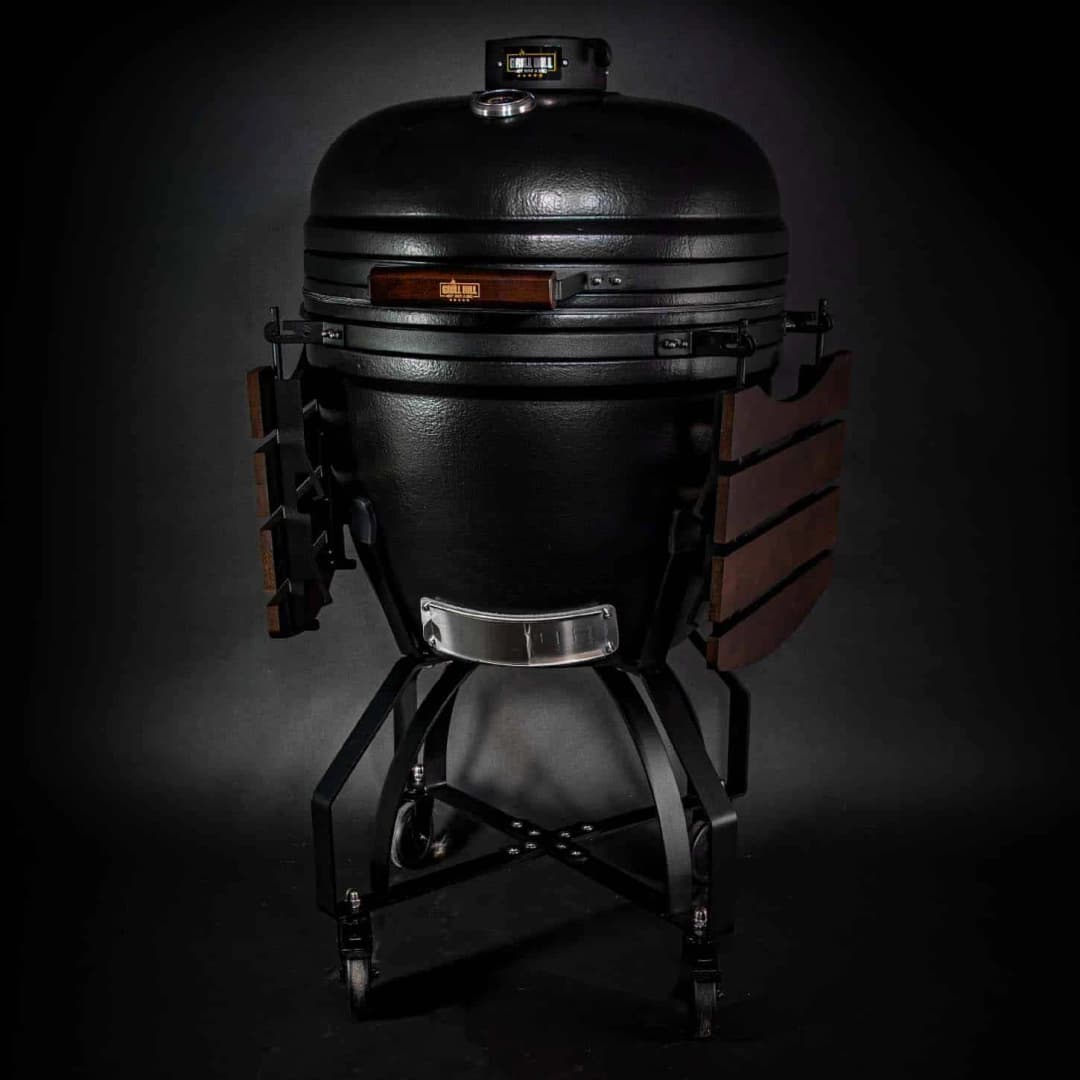
In this guide we'll take you through it step by step. No complicated jargon, just practical tips that genuinely make a difference. Whether you've just bought your first Grill Bill or simply want to learn how a kamado BBQ works, you're in the right place.
Using a kamado BBQ for beginners: how to get good fast

By Bobby
How do you use a kamado BBQ as a beginner?
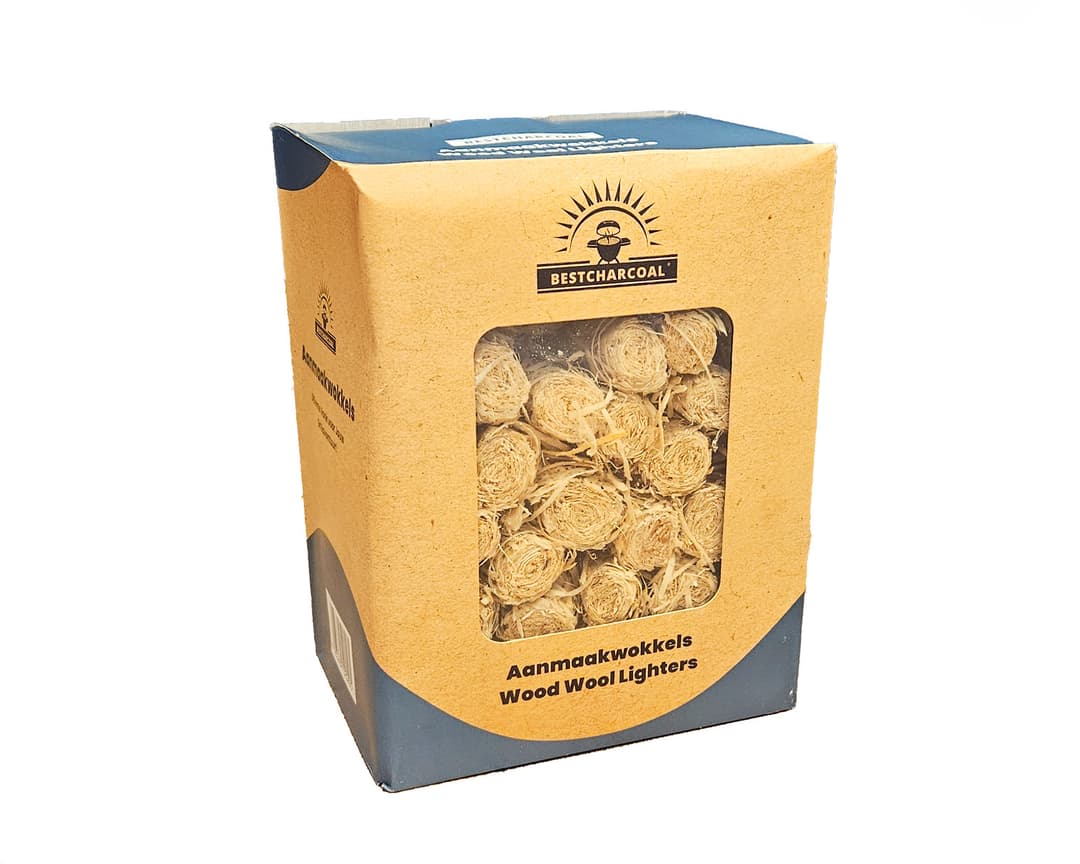
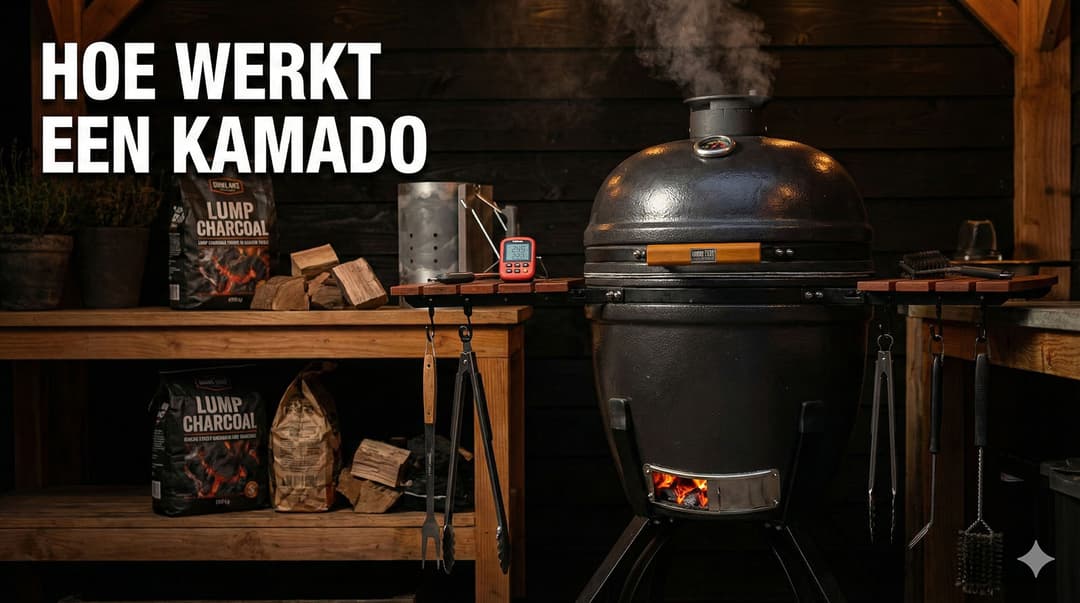
Light your kamado with 100% charcoal in big lumps and natural firelighters, lid open, and let it breathe for 10 to 15 minutes. After that, control the temperature with the vents alone: the bottom one for big steps, the top one for fine tuning. Build up gently, because a kamado heats up easily but cools down with difficulty.
- 100% charcoal in big lumps, never briquettes or lighter fluid
- Direct grilling above the coals, indirect with heat deflectors
- Low & slow sits around 90 to 130 degrees
- Bake pizza between 300 and 350 degrees on a preheated pizza stone
- Keep the lid closed as much as possible while cooking
What a kamado actually is
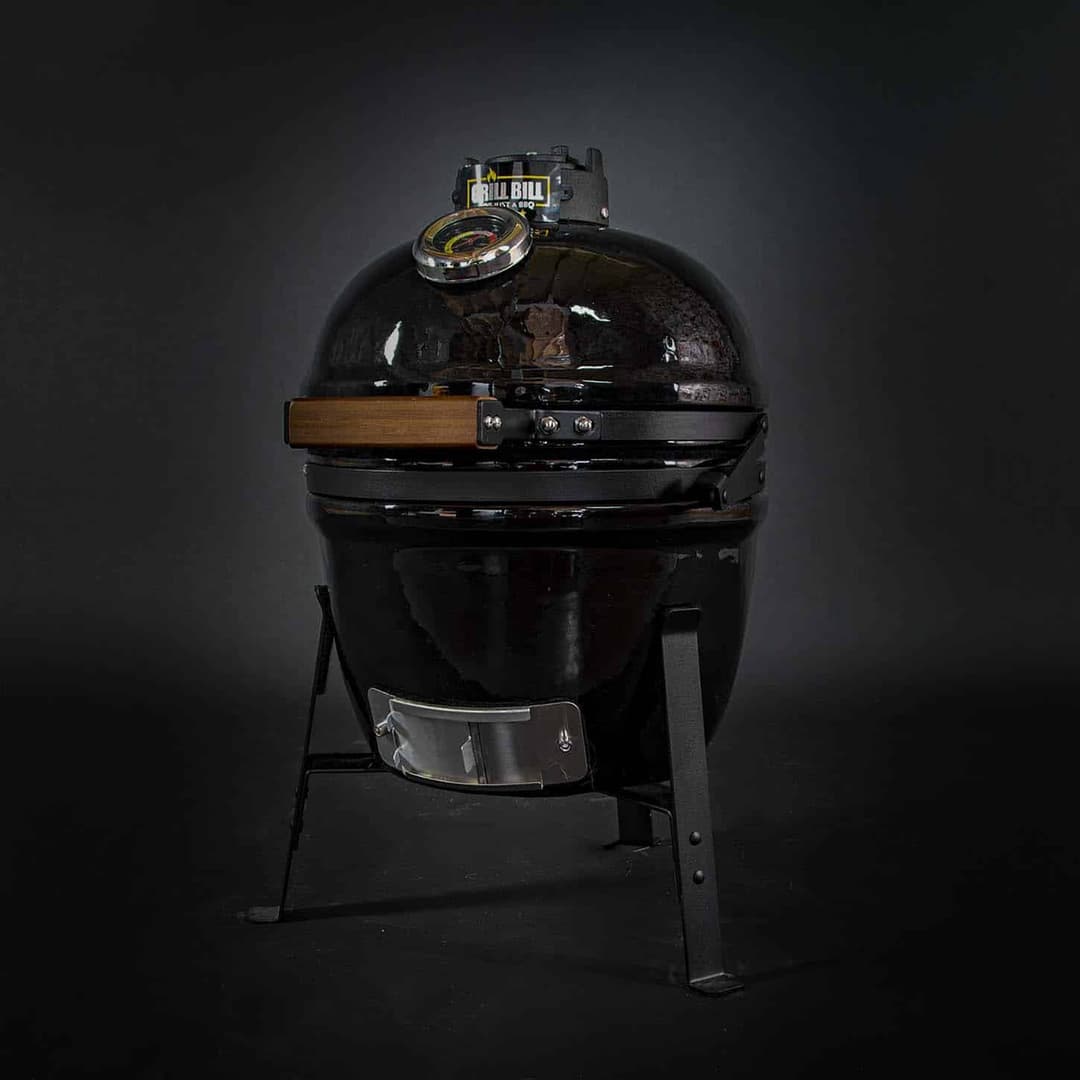
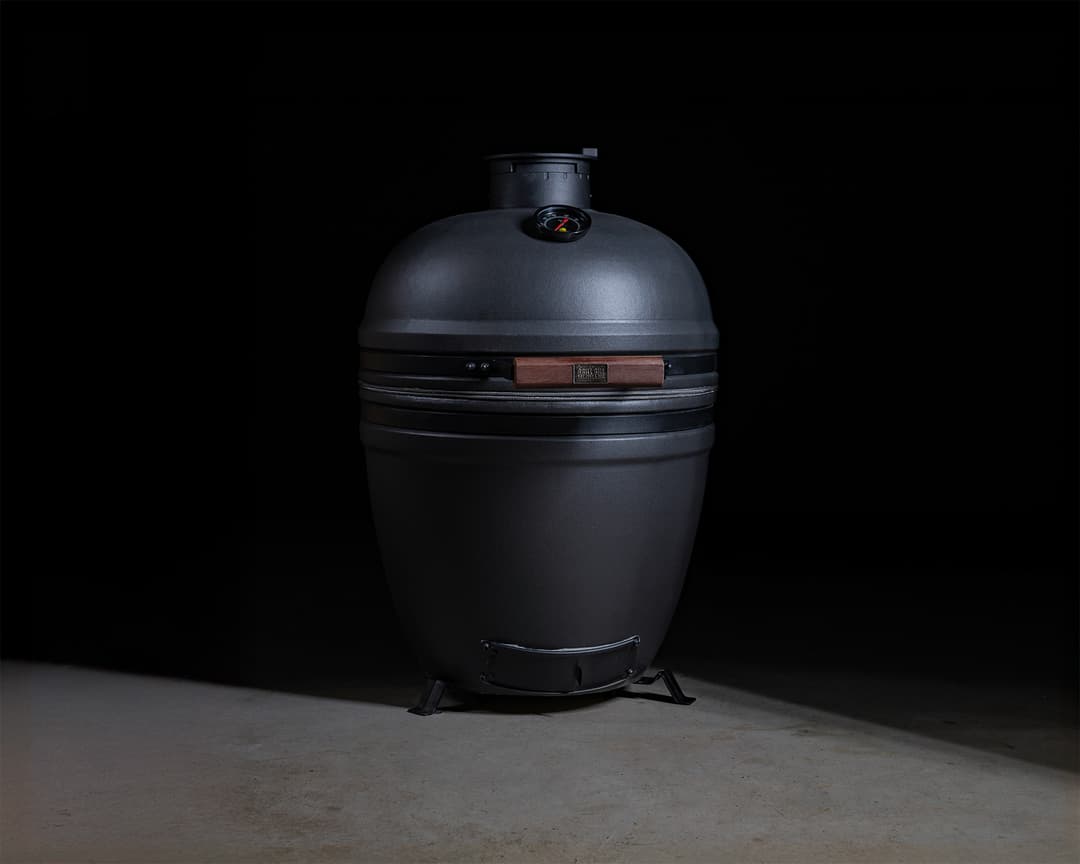
A kamado is a ceramic barbecue based on centuries-old cooking techniques. The thick ceramic holds heat extremely well, which lets you slow cook for hours on end without constant attention.
But it can do exactly the opposite too, getting scorching hot for pizzas and steaks. Think of it as a kind of outdoor all-rounder.
What you can do with a kamado
- Low and slow dishes such as pulled pork, brisket or spare ribs
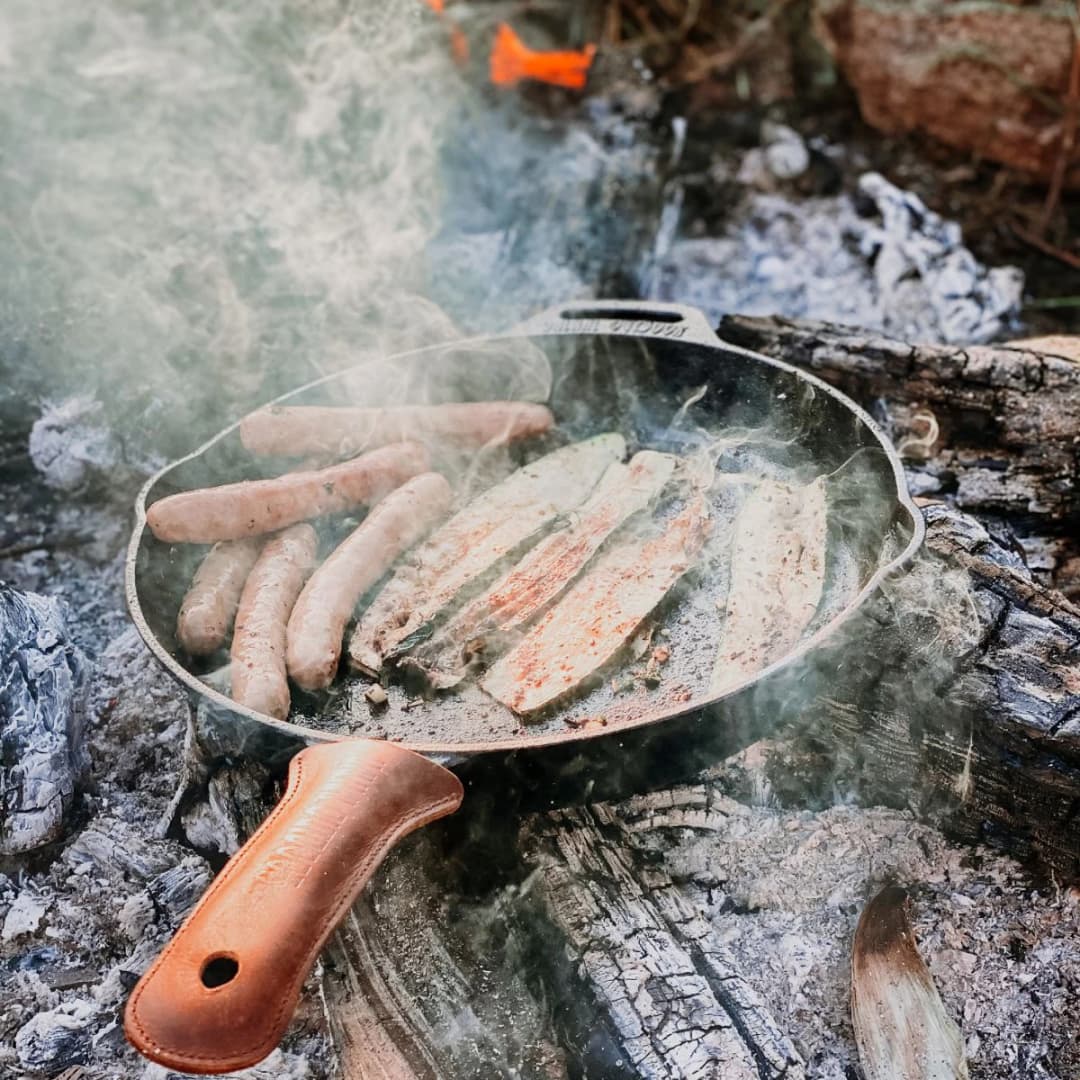
- Direct grilling: burgers, sausages, steaks
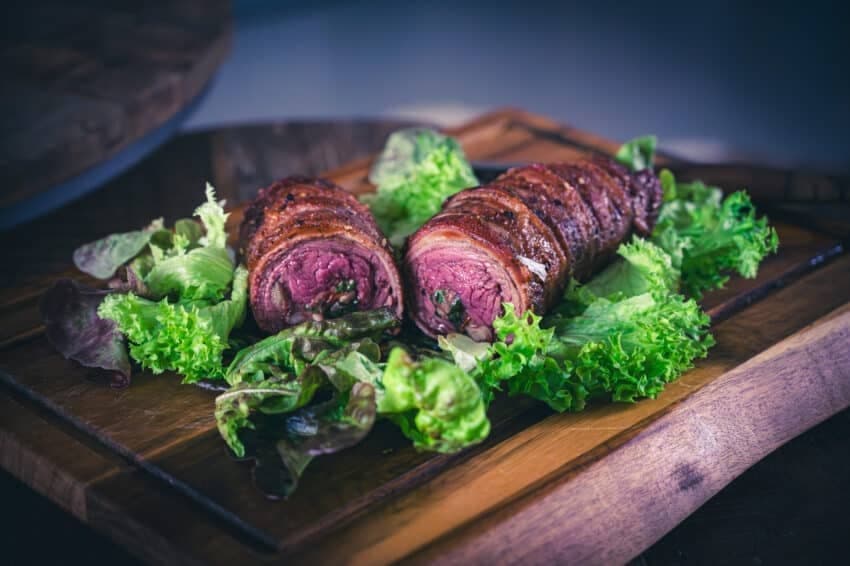
- Indirect grilling: whole chicken, rolled roasts, trays of vegetables
- Baking pizza
- Stir-frying at high temperature
- Bread, oven bakes and even desserts
Your kamado can do more than many a cooker, except everything tastes better.
How to light a kamado
Let's start right at the beginning: making fire.
1. Always use good quality charcoal
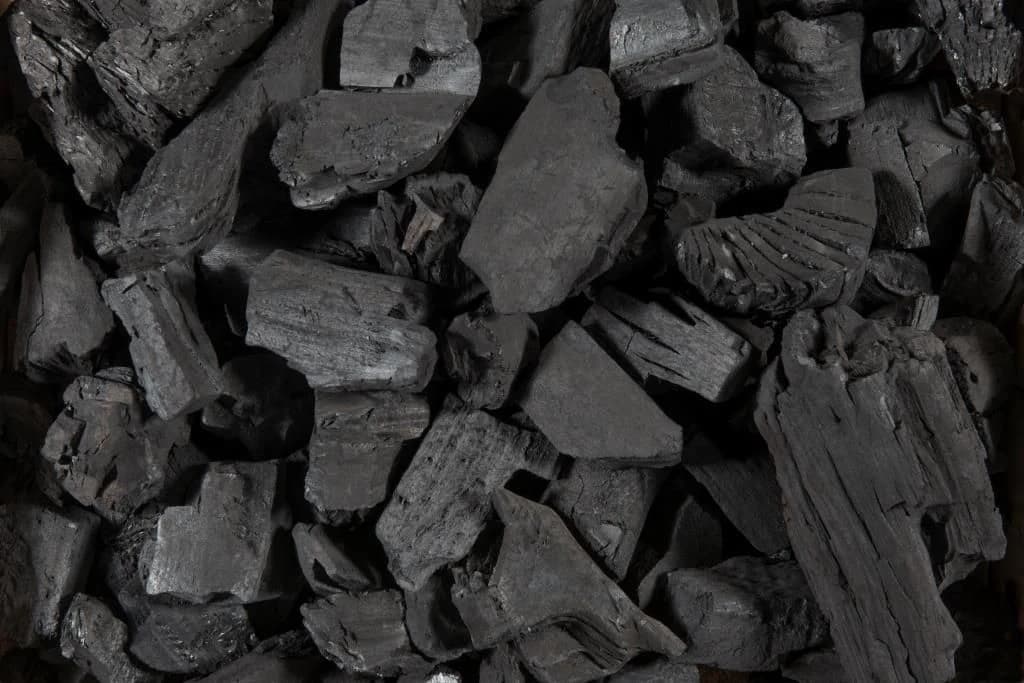
Use 100 percent charcoal, preferably in big lumps. No briquettes and definitely no lighter fluid. Big lumps burn longer, cleaner and give a better heat.
2. Build a good base at the bottom
Put a few big lumps of charcoal in the bottom of the charcoal basket. Medium-sized pieces on top of those and smaller pieces at the very top, so you can get it lit easily and quickly.
3. Use natural firelighters
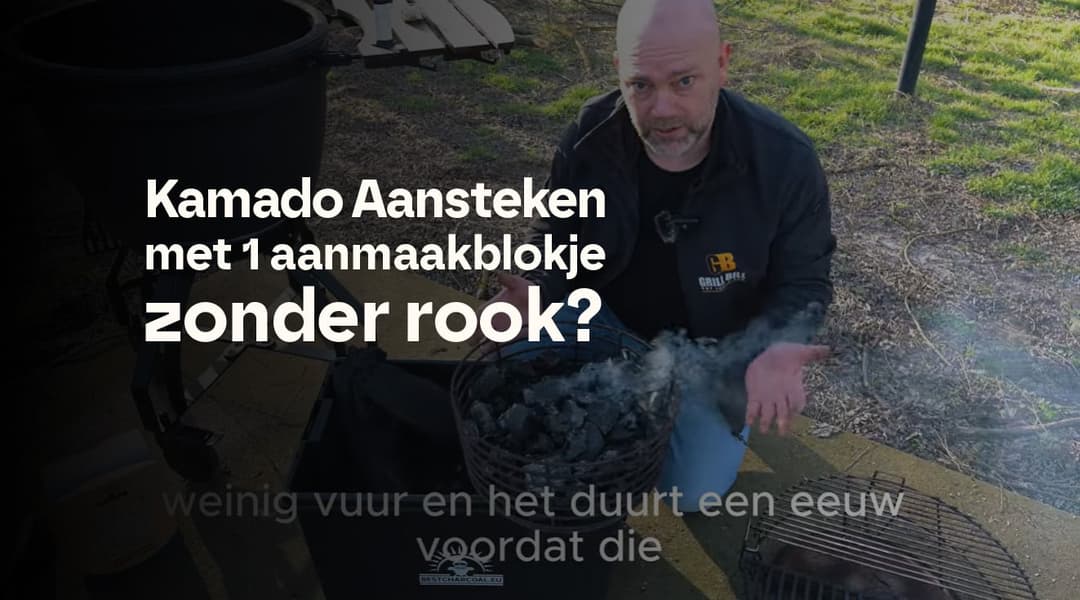
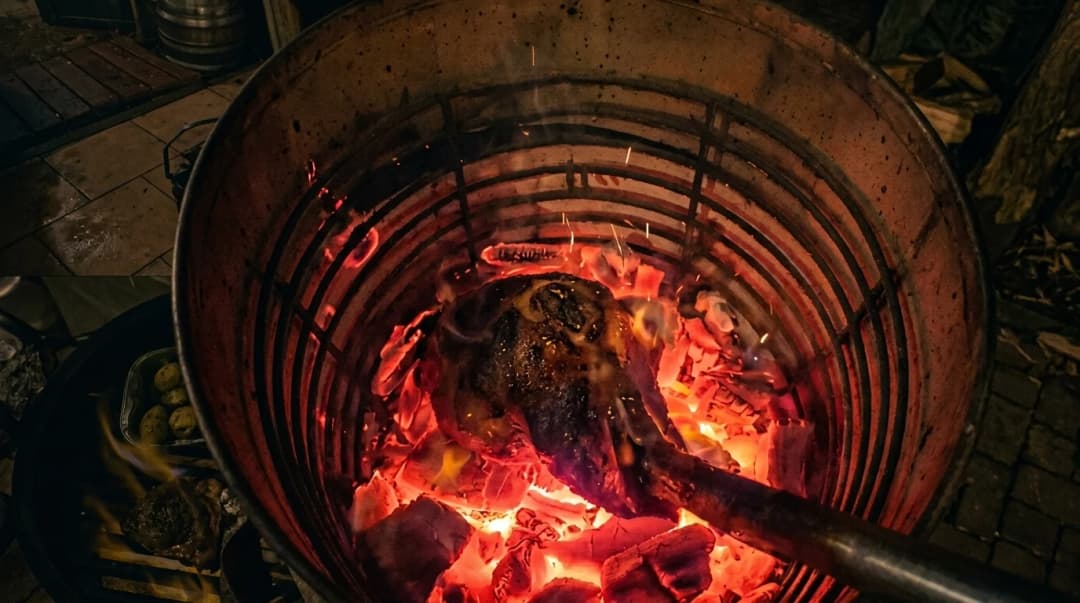
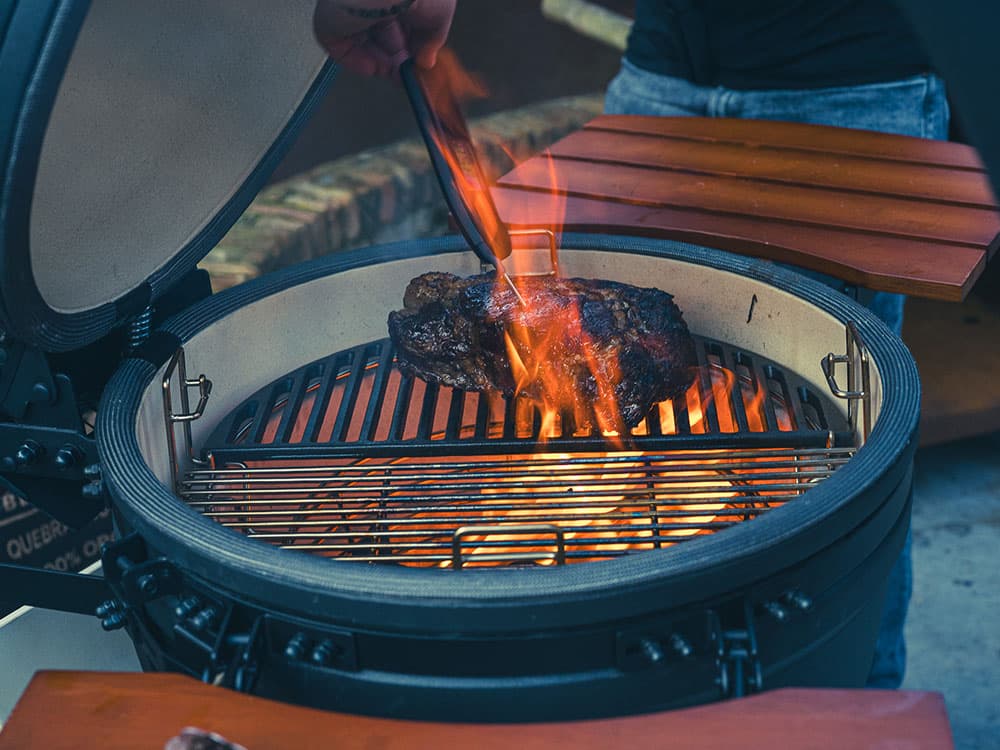
Put one or more natural firelighters among the top layer of charcoal and light them. Leave the lid open, air supply fully open at the bottom and the top. Let your kamado “breathe” quietly for 10 to 15 minutes.
4. Don't shut it down too soon
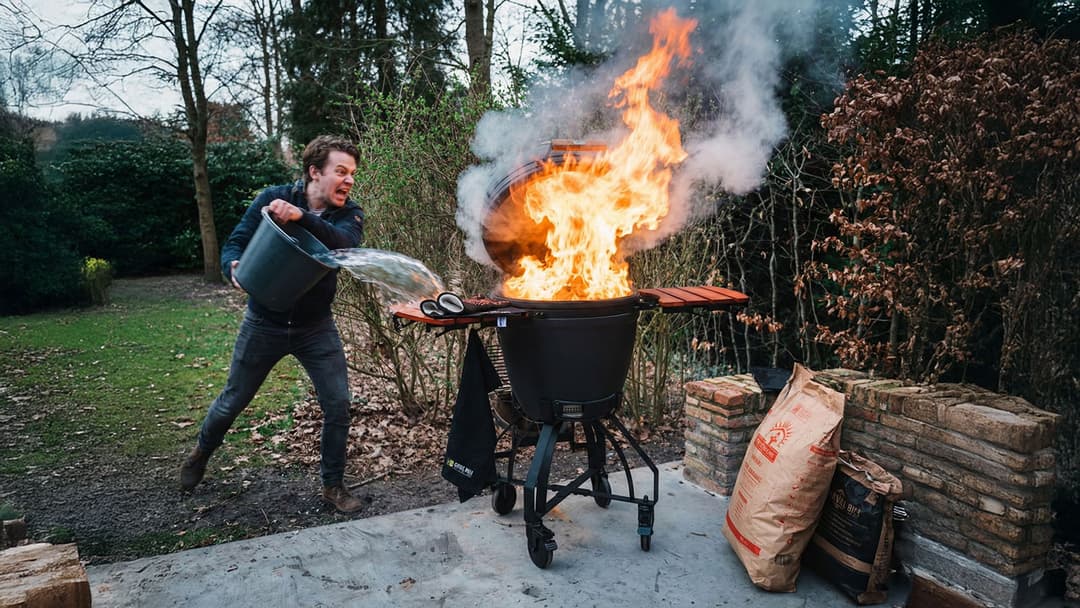
Kamados heat up easily but cool down with difficulty. So work up to your target temperature slowly and pinch the air supply down in good time. Building up gently beats firing too hard and then having to fight to get the temperature back down.
Temperature control, the most important skill
This is where you gain the most. A kamado is built to stay stable, but you decide how stable that turns out to be.
Adjusting with the air supply, not the lid
- Bottom vent, for big steps in temperature
- Top vent, for fine tuning
- Lid, stays closed as much as possible while cooking
You want a constant airflow. More open means more oxygen and more heat. More closed means less oxygen and a lower temperature.
Tip: don't go chasing the temperature. Build up gently, and make a few small corrections rather than constantly taking big leaps.
Direct versus indirect grilling
A kamado can be used in two ways: direct and indirect.
Direct grilling, right above the coals
Perfect for fast, hot cooking, such as:
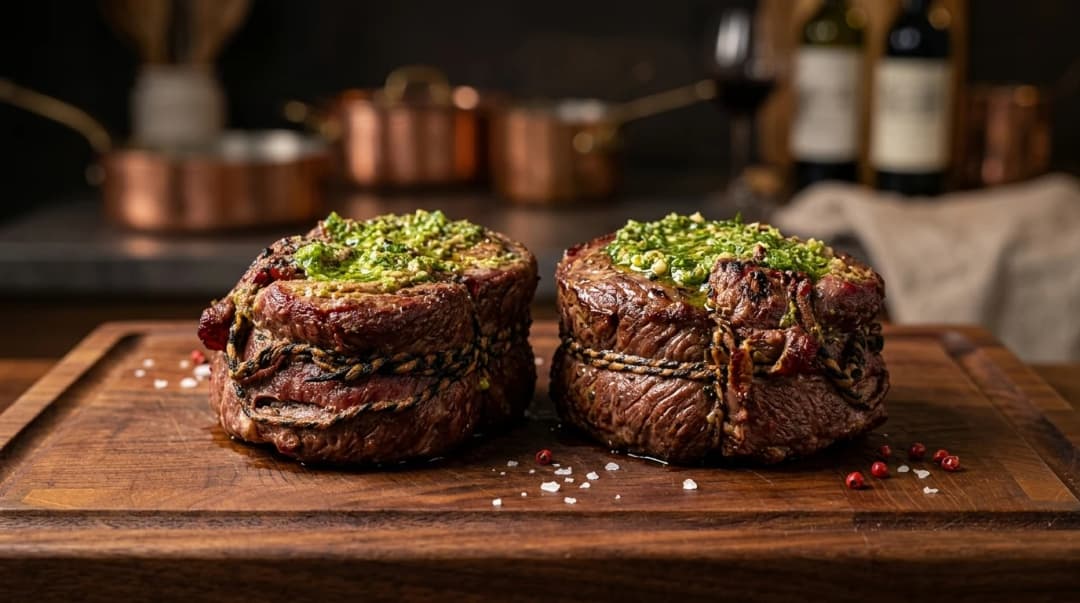
- Steaks
- Burgers
- Sausages
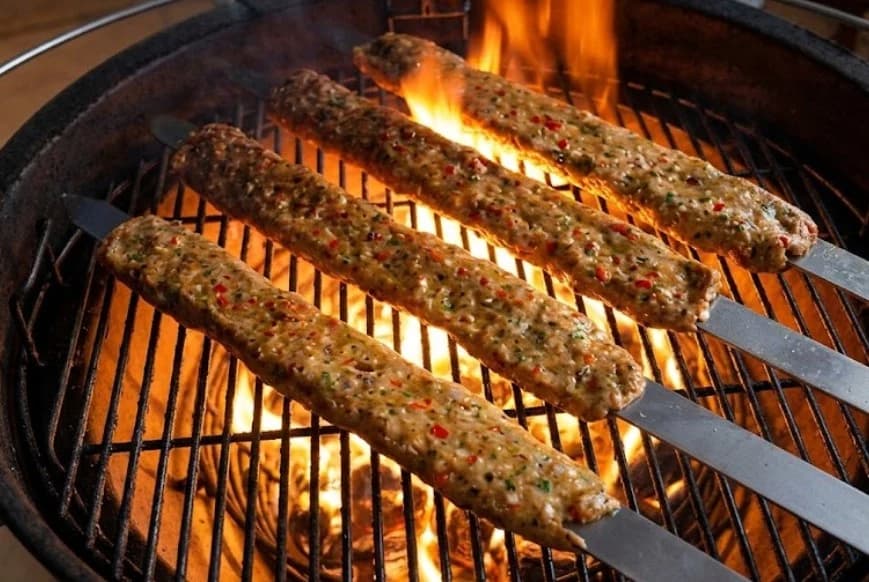
- Vegetable skewers
Here you're making use of direct radiant heat and high temperatures.
Indirect grilling, with heat deflectors
For indirect grilling you place ceramic heat deflectors between the coals and the grate. That turns your kamado into a kind of outdoor oven.
Perfect for:
- Whole chicken or rolled roasts
- Pulled pork and other low and slow dishes
- Side of salmon and larger cuts of fish
- Bread, lasagne and other oven dishes
It's exactly that combination of direct and indirect that makes the kamado so versatile.
Low and slow cooking on the kamado
Low and slow is where a kamado really shines. Thanks to the good insulation and air control, you can stay around 90 to 130 degrees for hours without constantly adjusting.
How to go about it
- Use big lumps of charcoal in particular
- Fill the charcoal basket well, so you can burn for a long time
- Open the bottom and top air supply just a fraction
- Let the kamado stabilise properly at the desired temperature first
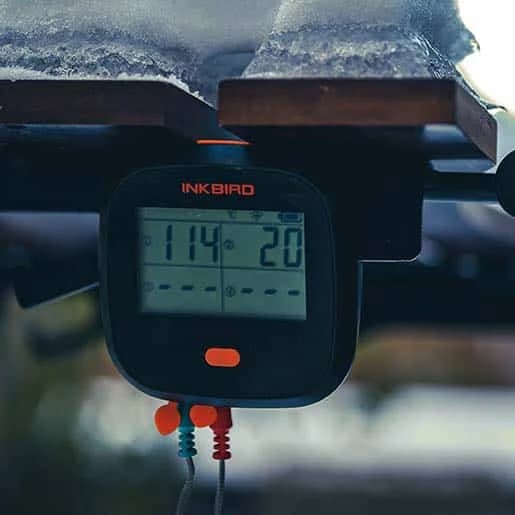
- Use a core thermometer for the meat
A kamado is at its best when you have to do as little as possible. Let it run, keep an eye on the temperature and enjoy the calm.
Baking pizza on the kamado
Plenty of people buy a kamado specifically for pizza, and with good reason. You get a crisp base, a lovely crust and that typical charcoal flavour.
The basic settings
- Use heat deflectors and a pizza stone
- Work between roughly 300 and 350 degrees
- Let the pizza stone preheat properly for at least 15 minutes
- Use a thin base for the best result
One extra tip: scatter some flour and perhaps semolina on your pizza peel for a crisp base and easier sliding.
Maintaining and cleaning your kamado
A kamado doesn't need much maintenance, but a clean barbecue always works better and prevents nasty smells.
- Remove ash from the ash drawer regularly
- Clear out old, very small charcoal remnants
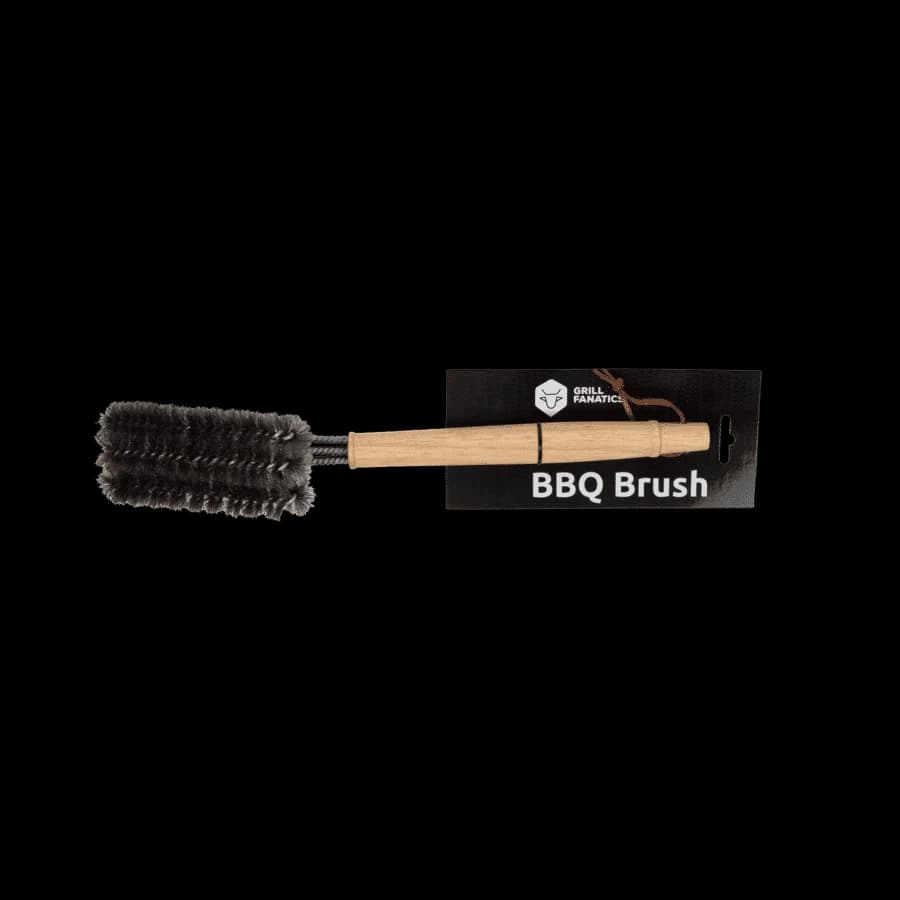
- Brush the grates clean while they're still warm
- Check the felt of the gasket now and then
- Use a protective cover to shield your kamado from wind and weather
Common beginner mistakes
Everyone makes mistakes at the start. These are the classics you can easily avoid:
- Going to a high temperature too fast
- Fitting heat deflectors too early, which chokes the airflow
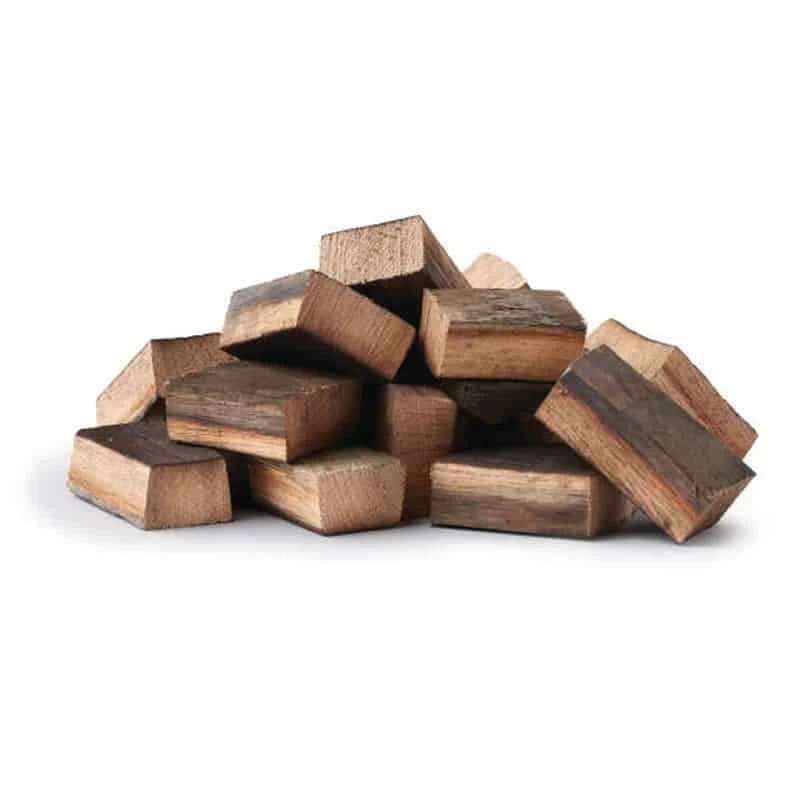
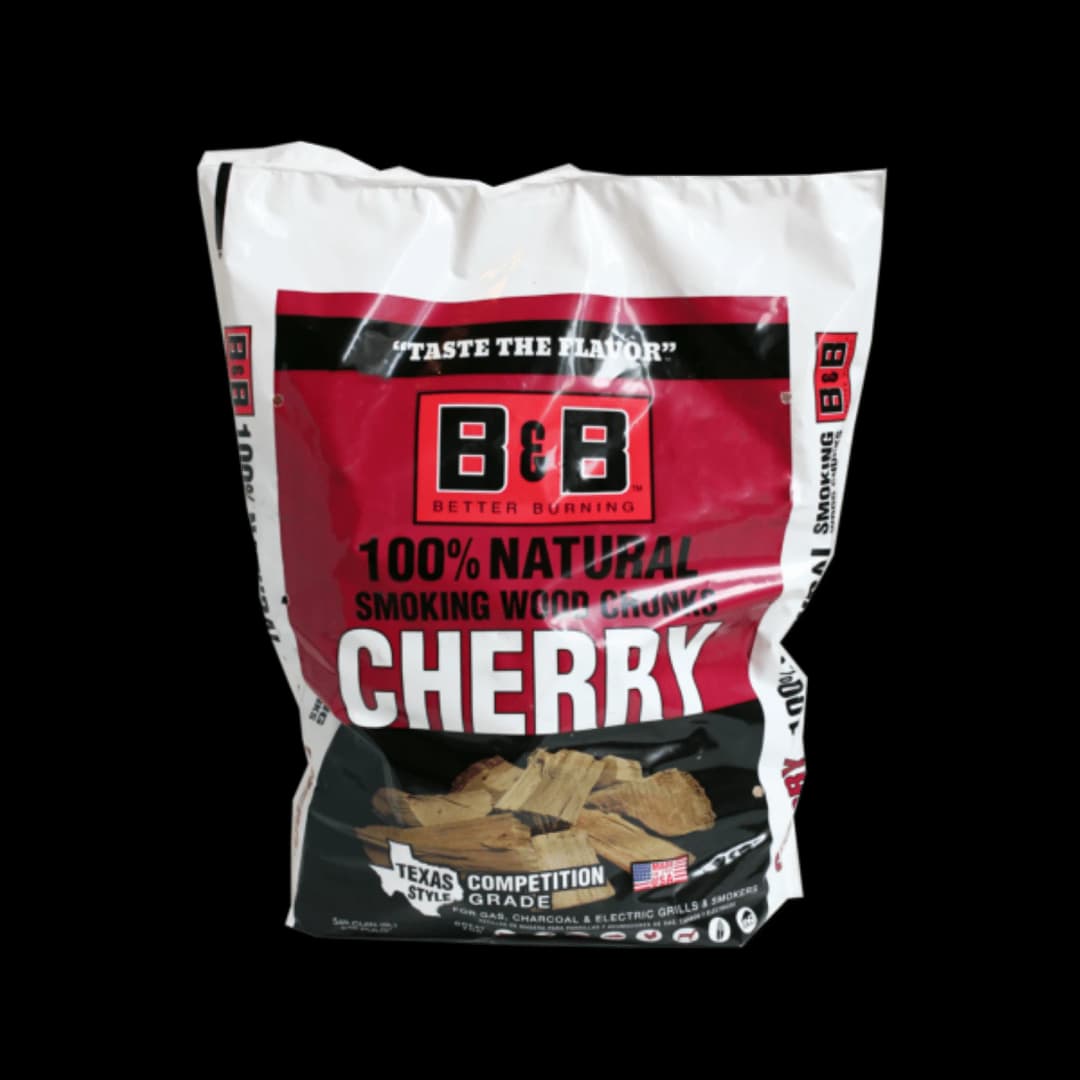
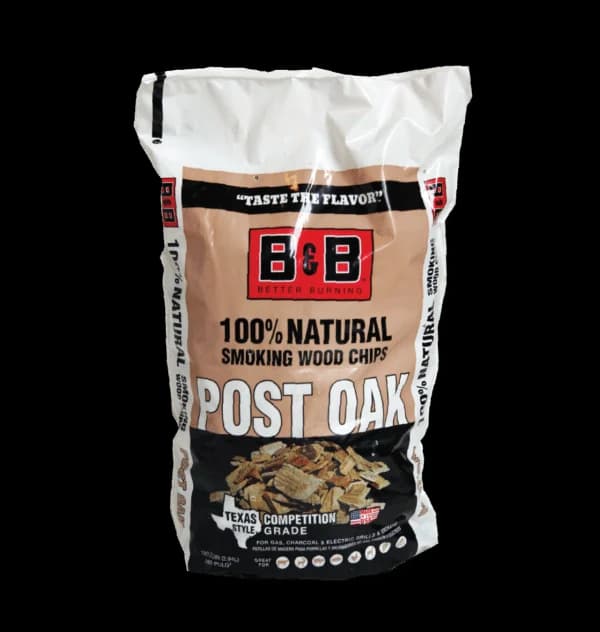
- Closing all the vents completely when there's too much smoke; better to stop adding smoking wood
- Using too much smoking wood, making the food bitter
- Opening the lid constantly: if you're looking, you're not cooking
You don't have to do it perfectly, but you do have to do it consistently. Every session teaches you something new.
Quick summary
- Use good charcoal, preferably in big lumps
- Build the temperature up gently
- Direct for fast grilling, indirect for slow and even cooking
- Low and slow takes patience, but delivers a lot of flavour
- Keep your kamado clean and in good condition
- And above all, enjoy every session at the BBQ
A kamado is more than a barbecue, it's a way of cooking. The more often you use it, the better you and your Grill Bill get in tune with each other.
Want to go deeper into techniques, recipes and tips? Then have a look at our Grill Bill Academy for extra explanation and inspiration for kamado enthusiasts.
Frequently asked questions
Which charcoal should I use as a beginner?
Use 100 percent charcoal in big lumps, no briquettes and never lighter fluid. Big lumps burn longer and cleaner, and give a more even heat. Put the largest pieces in the bottom of the charcoal basket, medium ones above that and small pieces on top, so you can get it lit quickly.
How do I control the temperature of my kamado?
With the vents, not with the lid. You use the bottom vent for big steps in temperature, the top one for fine tuning. More open means more oxygen and therefore more heat. Keep the lid closed as much as possible while you're cooking.
What is the difference between direct and indirect grilling?
With direct grilling your food sits right above the coals, ideal for steaks, burgers, sausages and vegetable skewers. With indirect grilling you place heat deflectors between the coals and the grate, turning your kamado into an outdoor oven. That's the way to go for whole chicken, rolled roasts, pulled pork, fish and bread.
What temperature do I cook low and slow at?
Around 90 to 130 degrees. Fill the charcoal basket well, open both vents just a fraction and let the kamado stabilise properly before you put the meat on. Use a core thermometer, then you'll hardly need to open the lid.
Why is my kamado so hard to cool down?
The thick ceramic holds heat extremely well, and that's precisely its strength. It makes heating up easy and cooling down laborious. Overshoot your target temperature and you'll be a long time getting back down. So build up gently and pinch the air supply down in good time.
How do I look after my kamado?
Regularly remove the ash from the ash drawer and clear out small charcoal remnants, otherwise they block the airflow. Brush the grates clean while they're still warm, check the felt gasket now and then, and use a protective cover against wind and weather.
Written by

Grill Bill specialises in ceramic kamado barbecues and shares knowledge about low & slow cooking, smoking, grilling and baking on the kamado.
Read onThree more
![Beenham van de kamado]()

Three more
from the archive.
Beenham van de kamado
Beenham roken en glazen op de kamado. Doelterm: beenham kamado (720) — concurrent staat hier op positie 1.
The new grillbill.eu: view your kamado in 3D and place it in your own garden
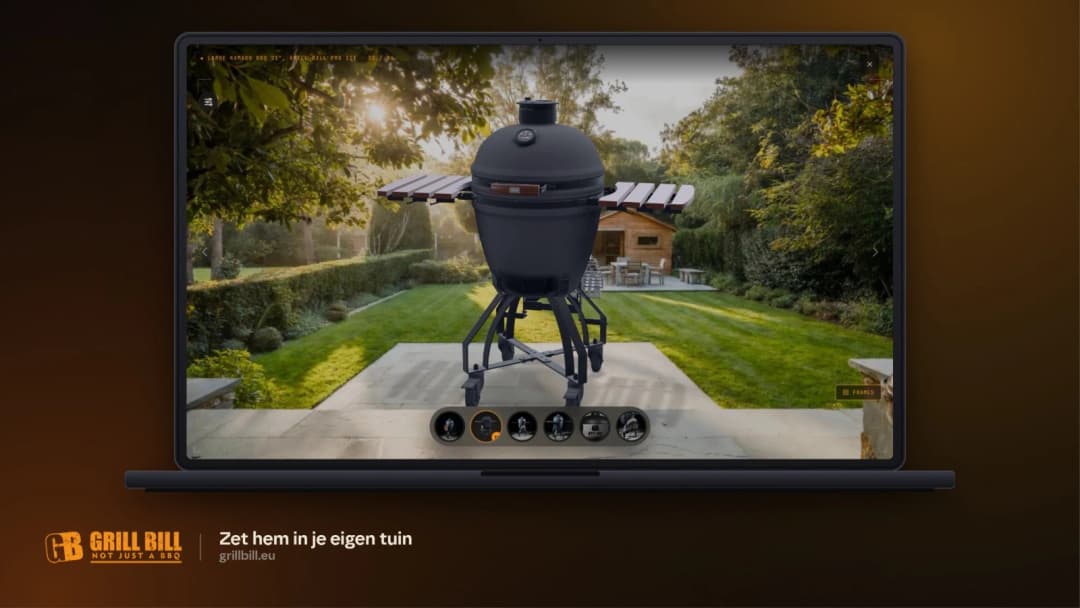
The new grillbill.eu is live. Spin the Pro III in 3D, place it in your own garden, compare every model side by side and learn to cook in the GB Academy.
Building a kamado in: table, outdoor kitchen or Solo
Cut-out dimensions per Grill Bill size, ventilation at the bottom, shielding timber and the choice between buying, having it built or making it yourself. Plus the Large and XL Solo without trolley.
Stook inOnce a month,
Once a month,
a echte letter.
Recipes, drops and long essays about smoke. No noise, never resold.