



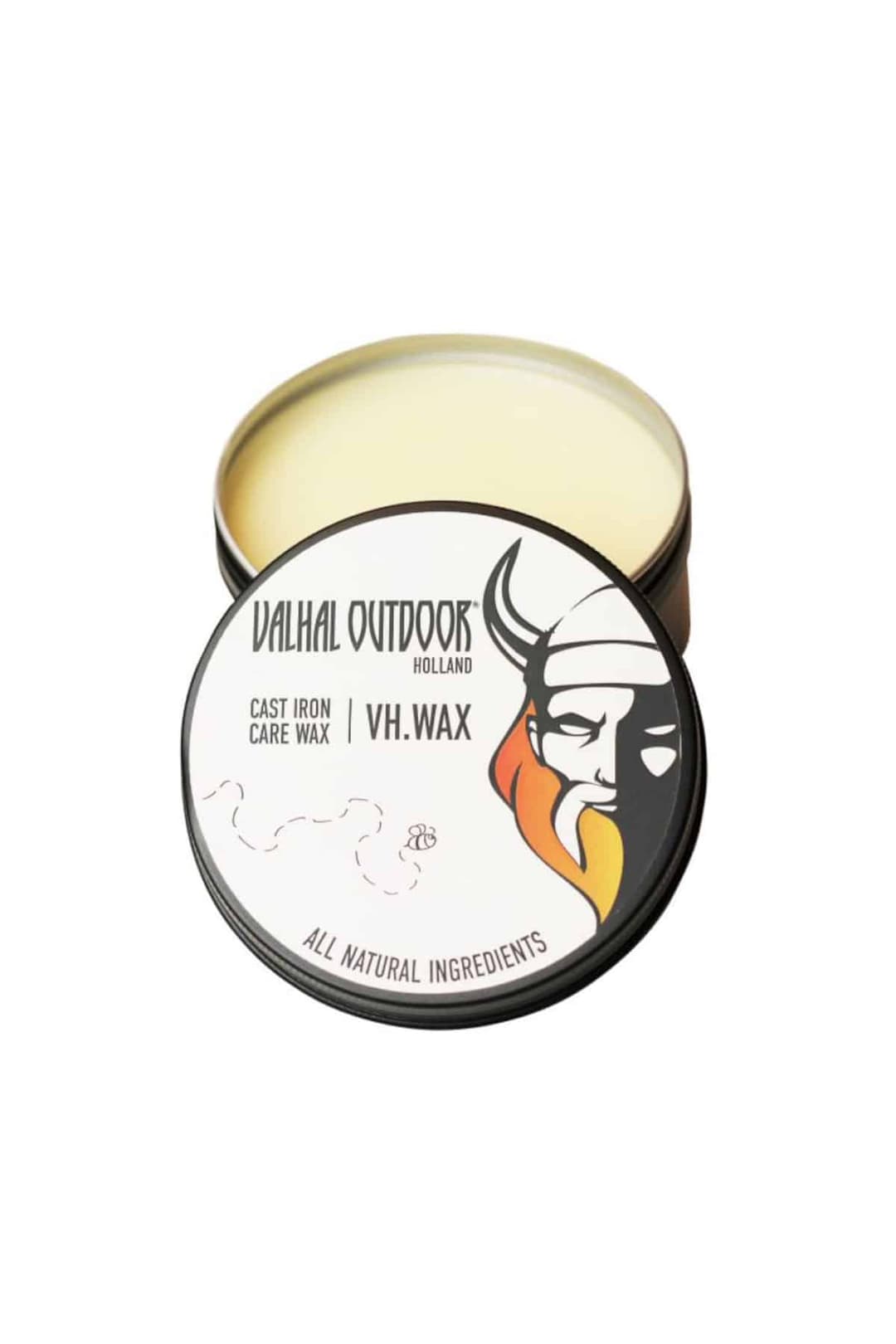
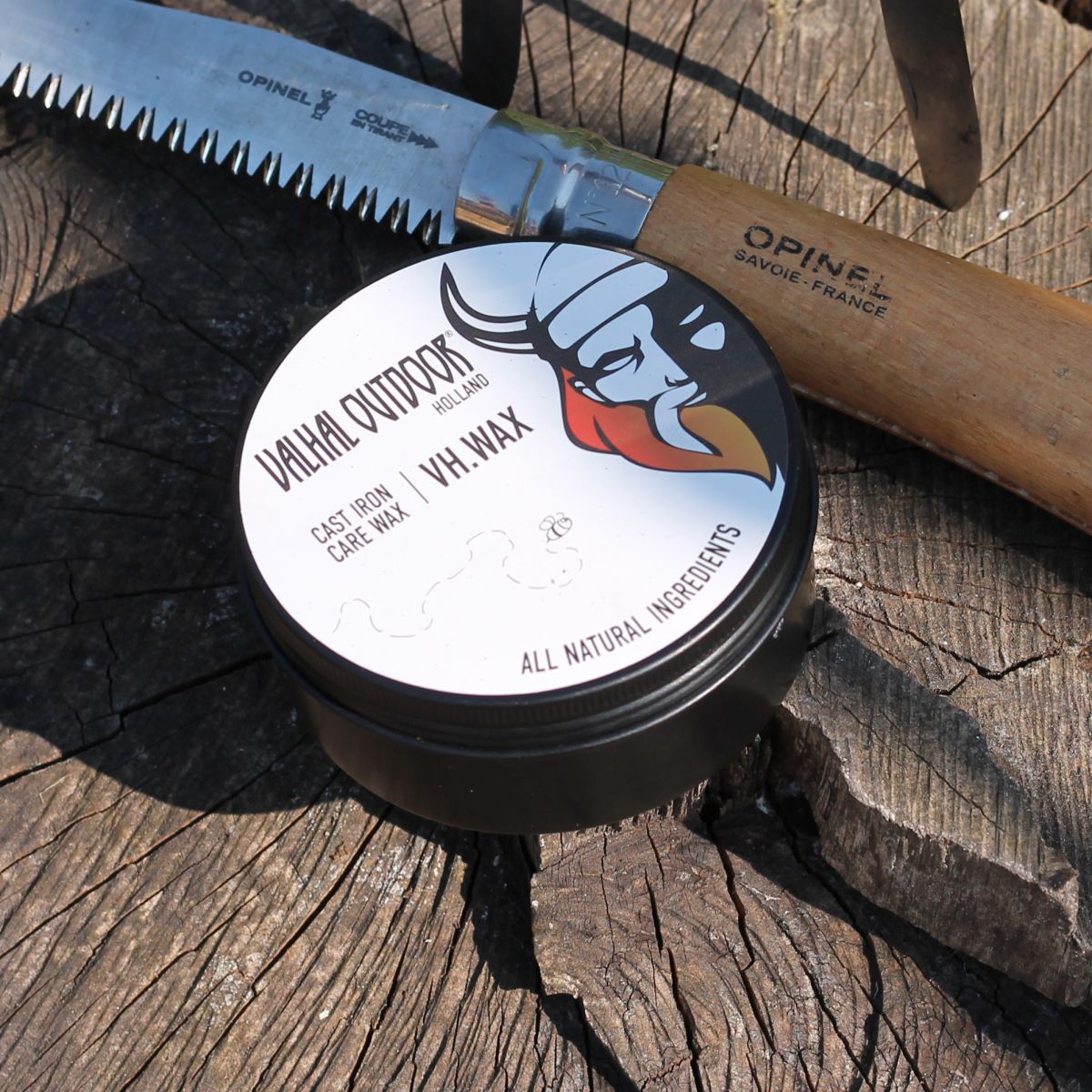
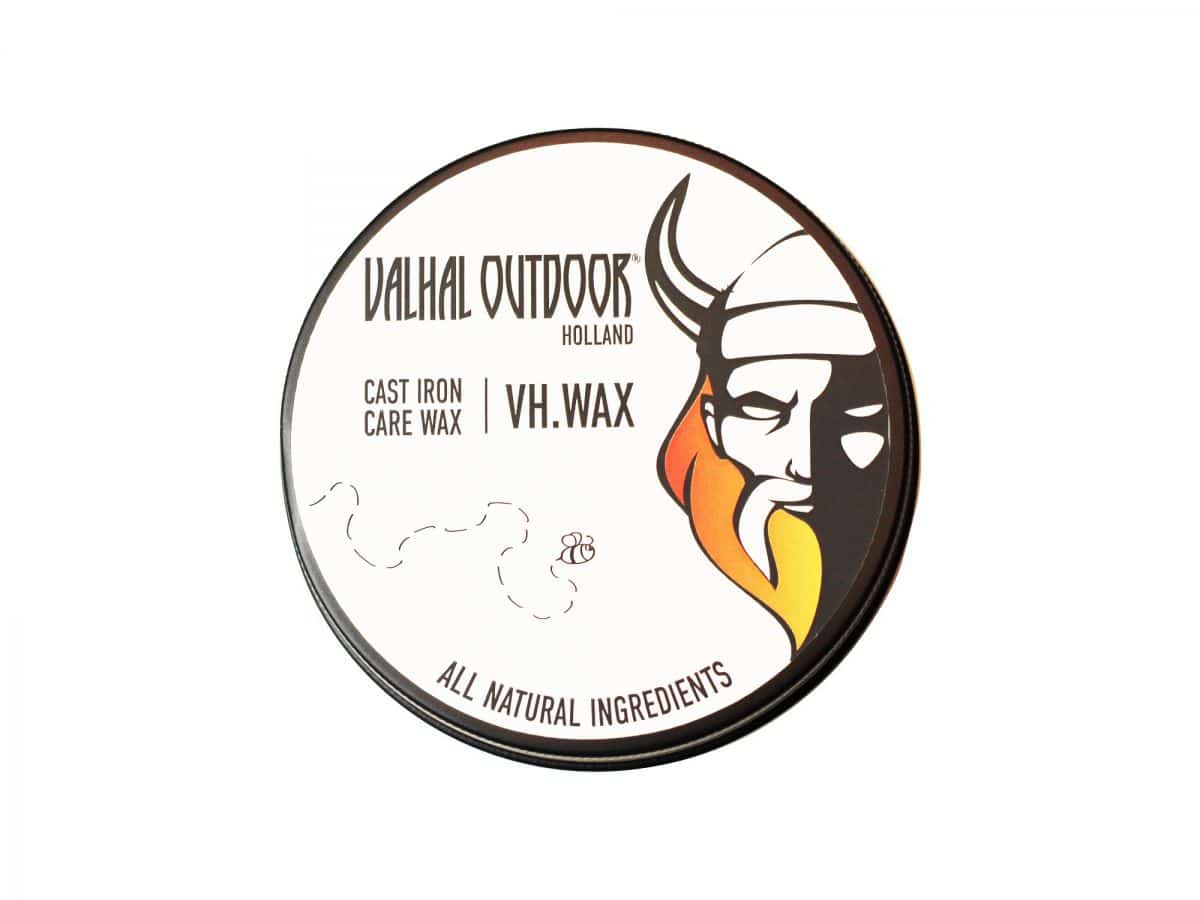
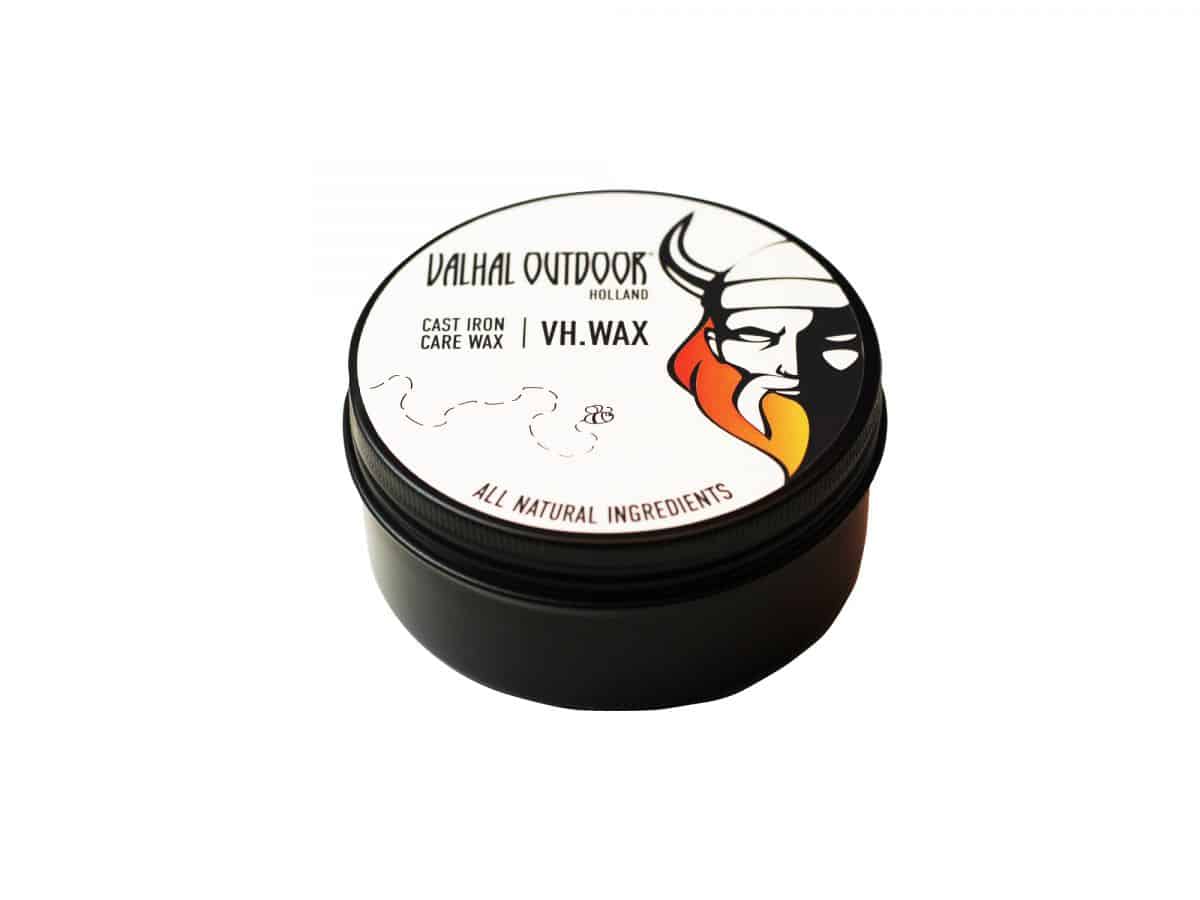
This cast iron seasoning wax from Valhal Outdoor is meant for the moment a new pan gets its first layer, and for every maintenance session after that. You rub a thin layer onto the warm cast iron, let it burn in, and that way keep a closed, smooth layer that keeps moisture out. Without that layer, cast iron gets rust spots within a few days.
When do you use cast iron seasoning wax
On a brand-new pan, after a thorough clean, or as soon as your pan looks dull and dry. A pan that already had small rust spots and that you've scrubbed clean also needs a fresh layer straight away.
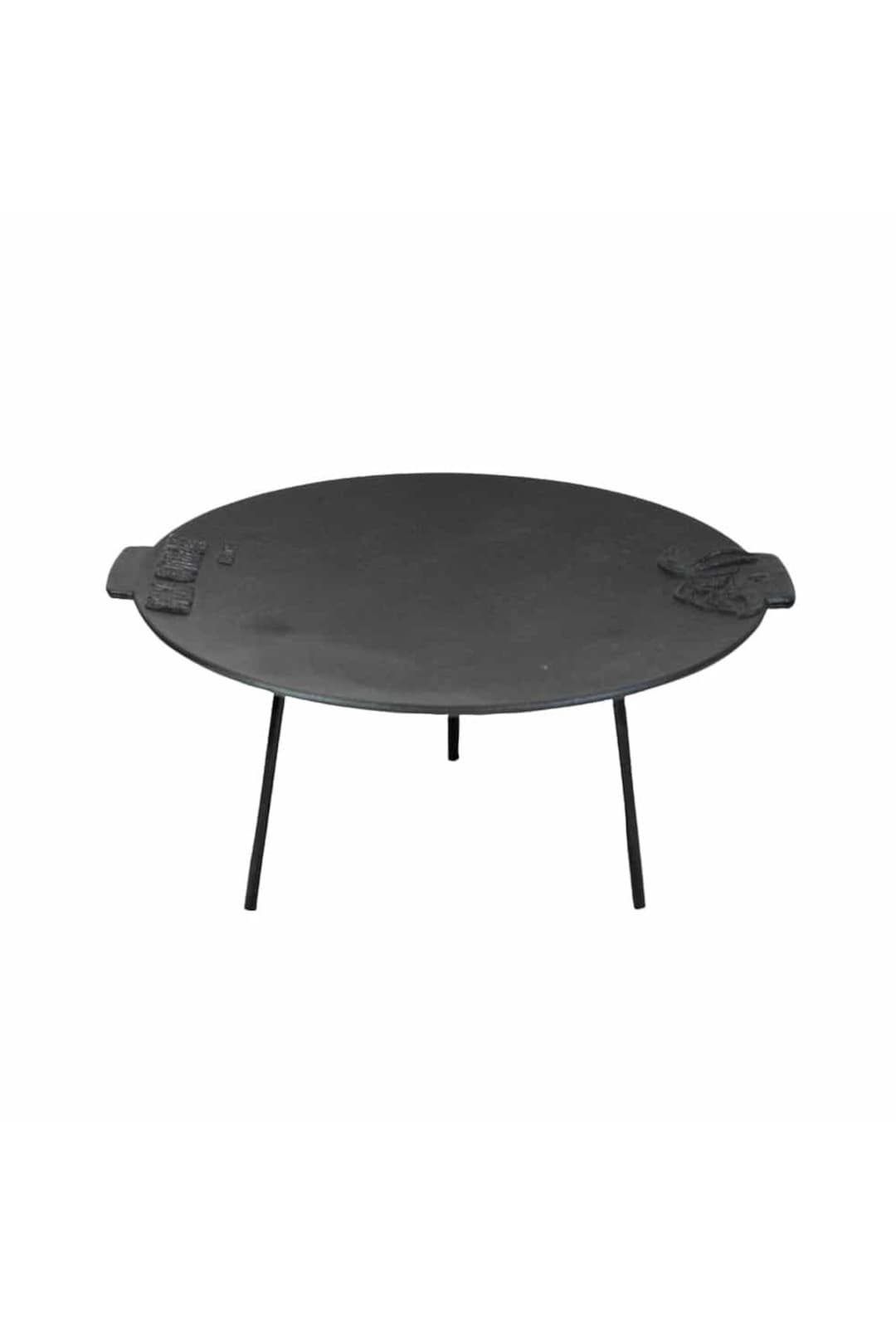
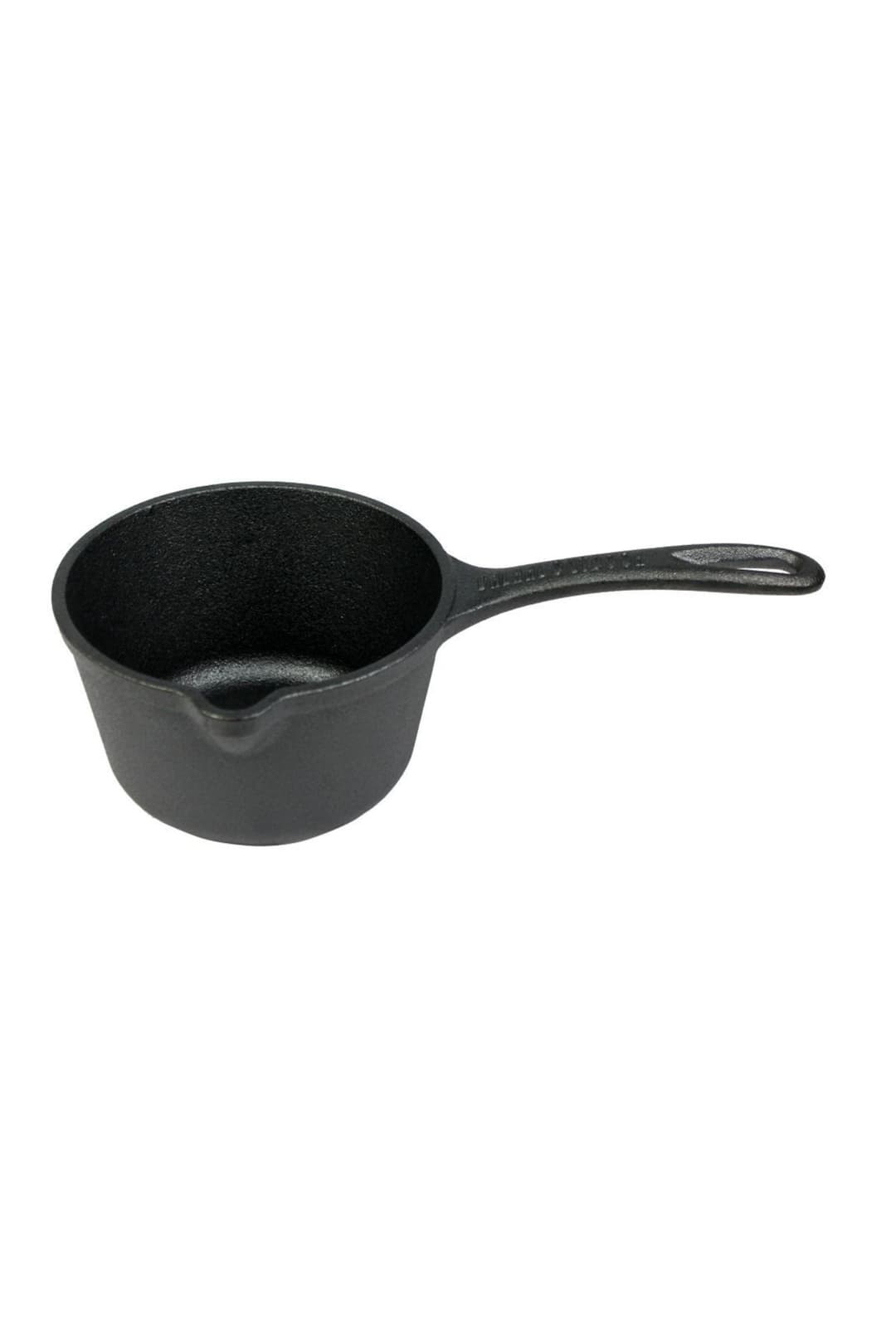
- Works on skillets, Dutch Ovens, griddles, grates and wok pans
- Solid wax instead of oil: no mess, no sticky edges
- A thin layer is enough, applying it thicker just gives a sticky result
- Every seasoning burn makes the layer darker and smoother
- Keeps moisture out, so your pan survives a winter in the shed too
How to season your pan
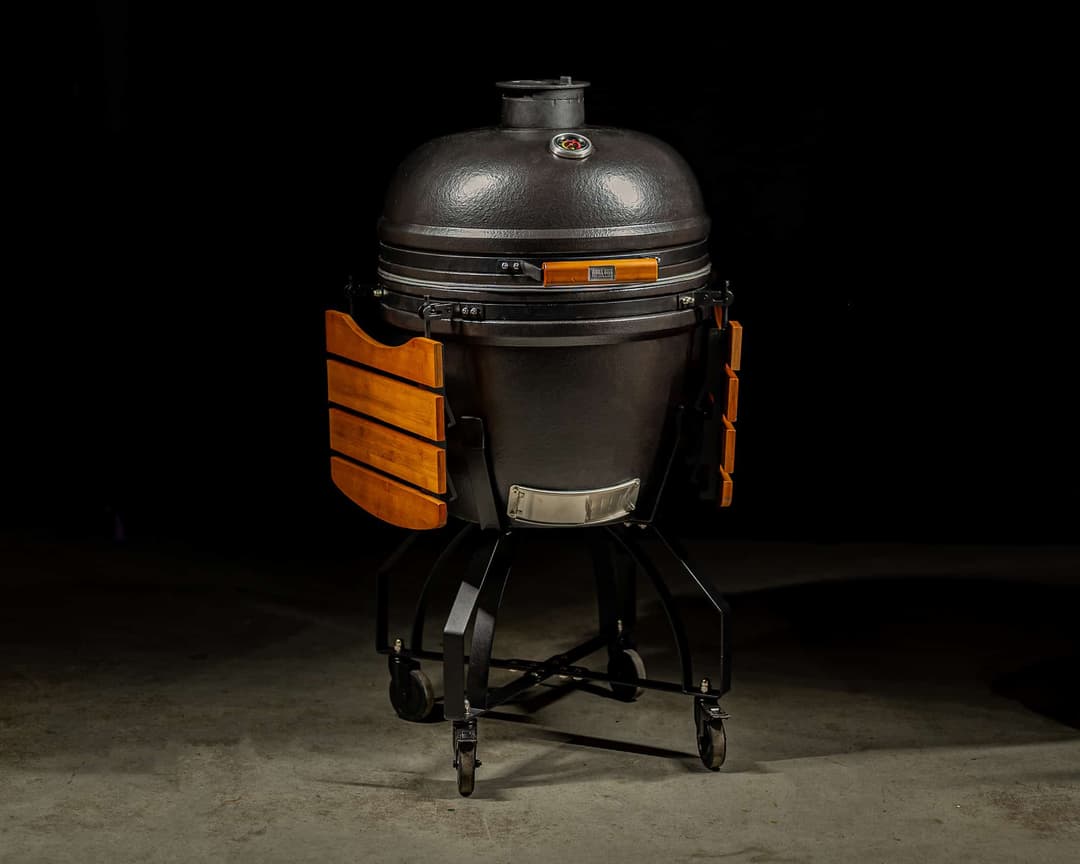
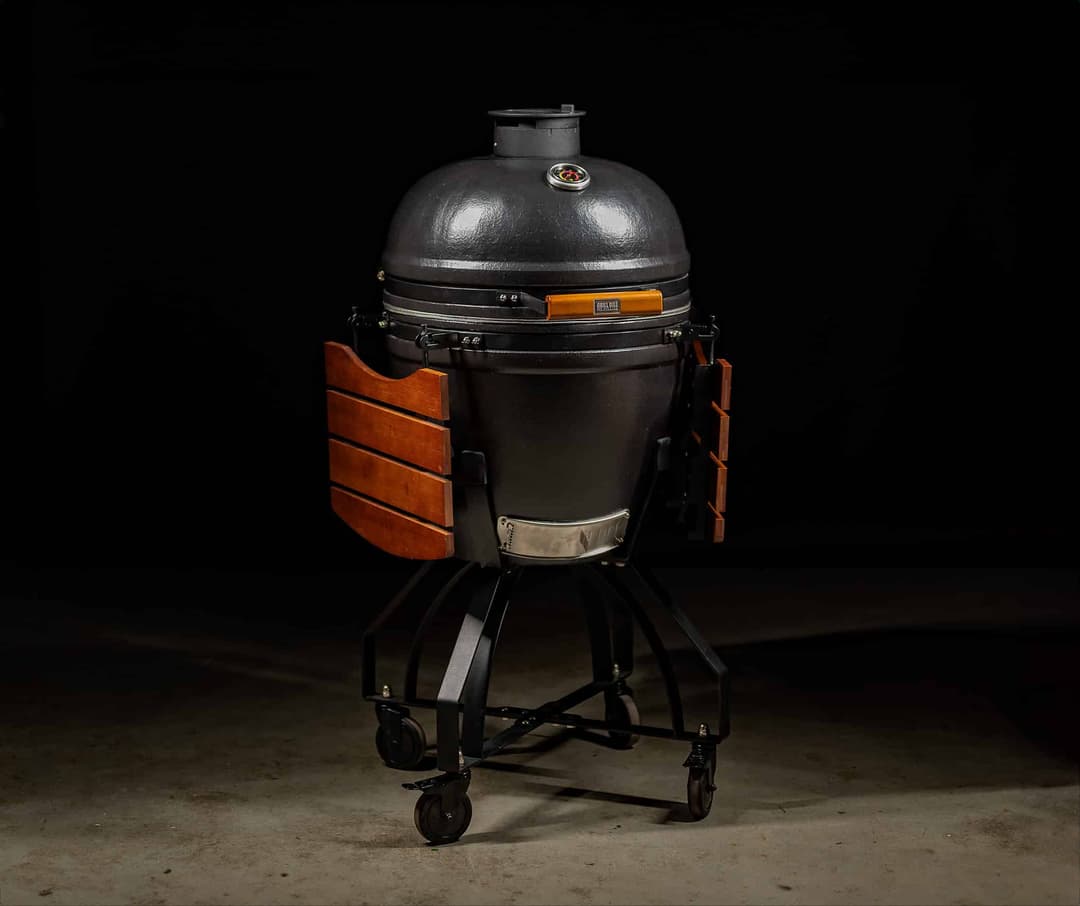
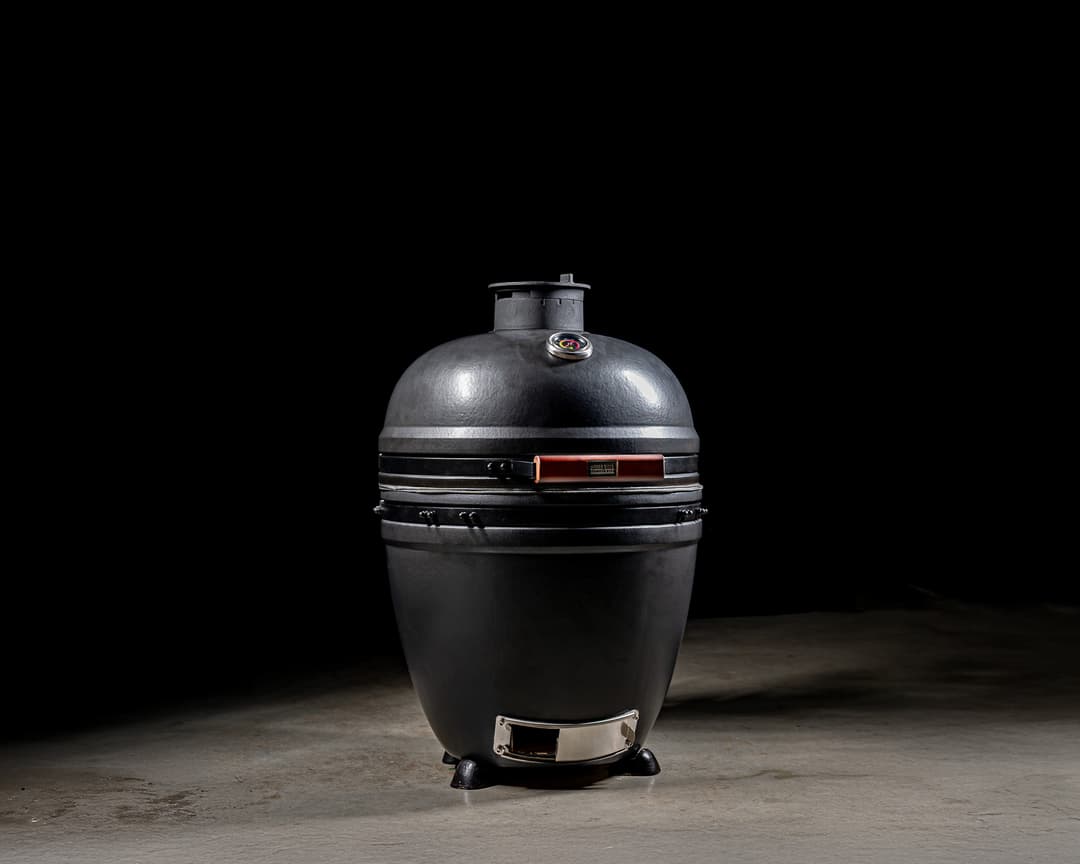
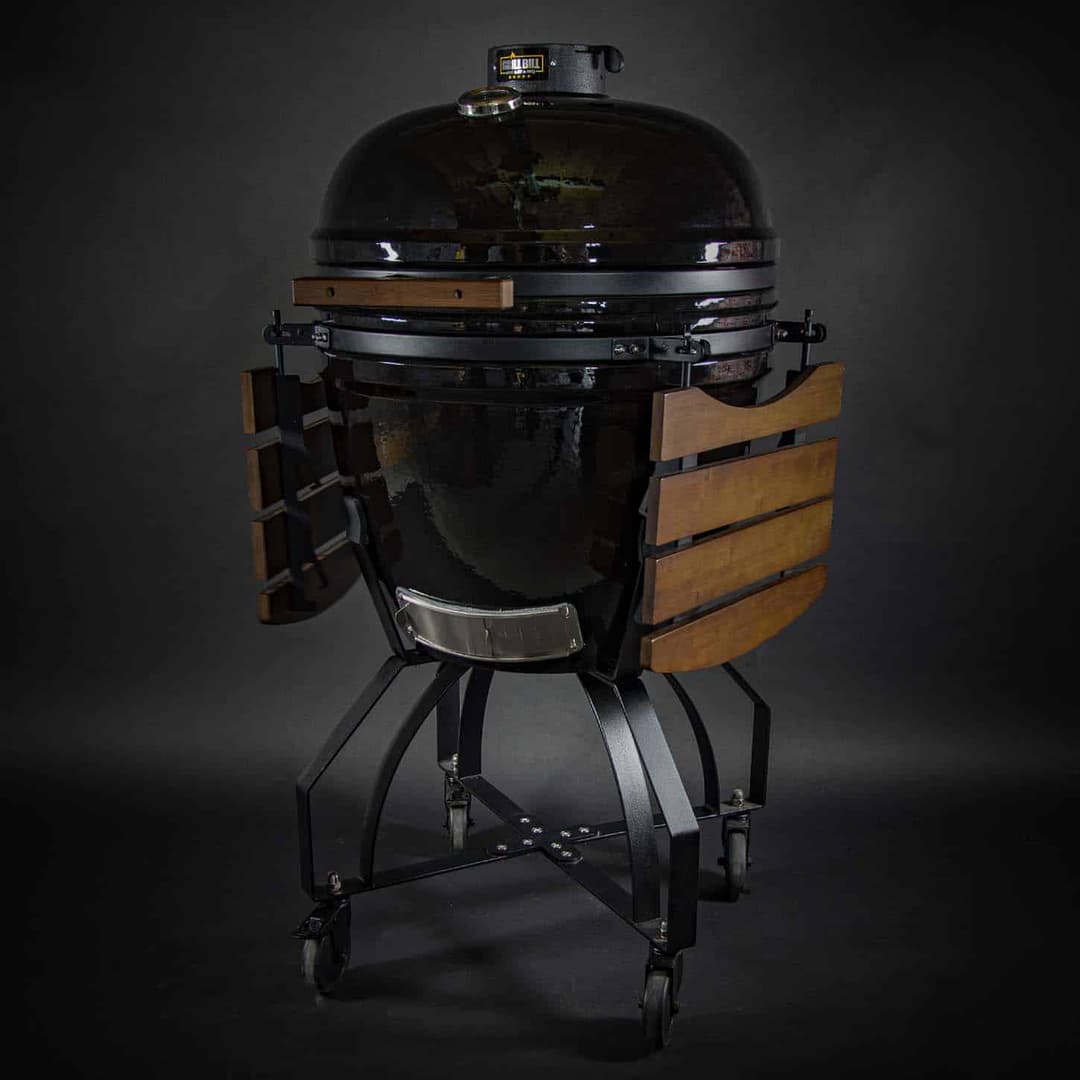
First clean the cast iron thoroughly and dry it. Warm the pan until hand-warm, apply a very thin layer of wax with a cloth and then wipe off as much as possible again: only a sheen should remain. Then put the pan on the kamado or in the oven until the wax smokes and let it cool down there gently. Repeat this two to three times for a new pan.
Bill's tipDo the seasoning on the kamado instead of in the kitchen oven. It smokes quite a bit and outdoors that's no bother.
Find more maintenance supplies at the cast iron accessories. Looking for a pan to start with, check out the cast iron skillets or the Dutch Ovens.