


Grill Bill
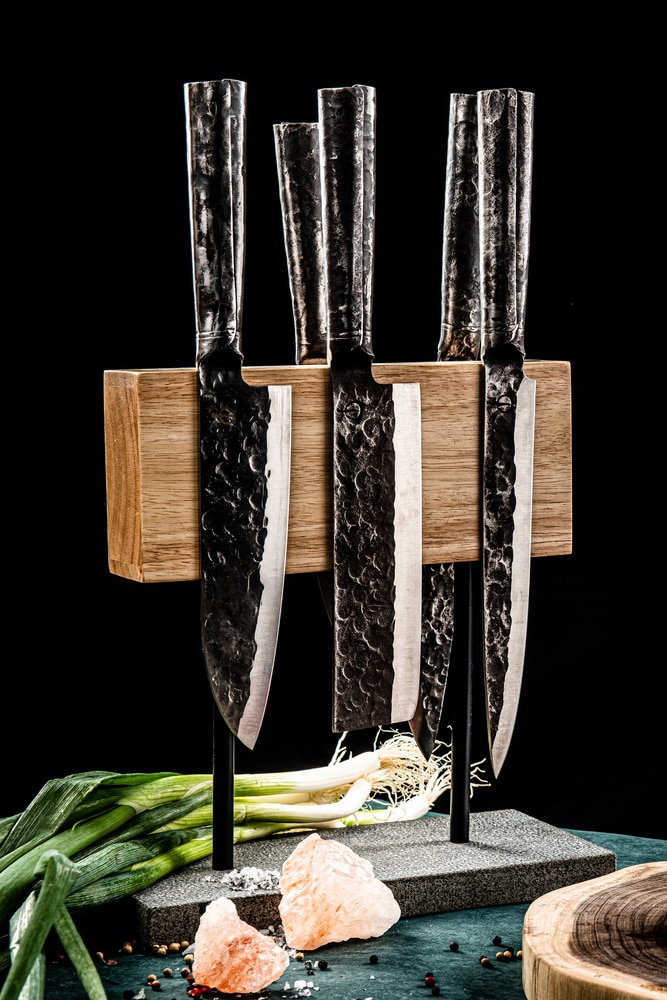
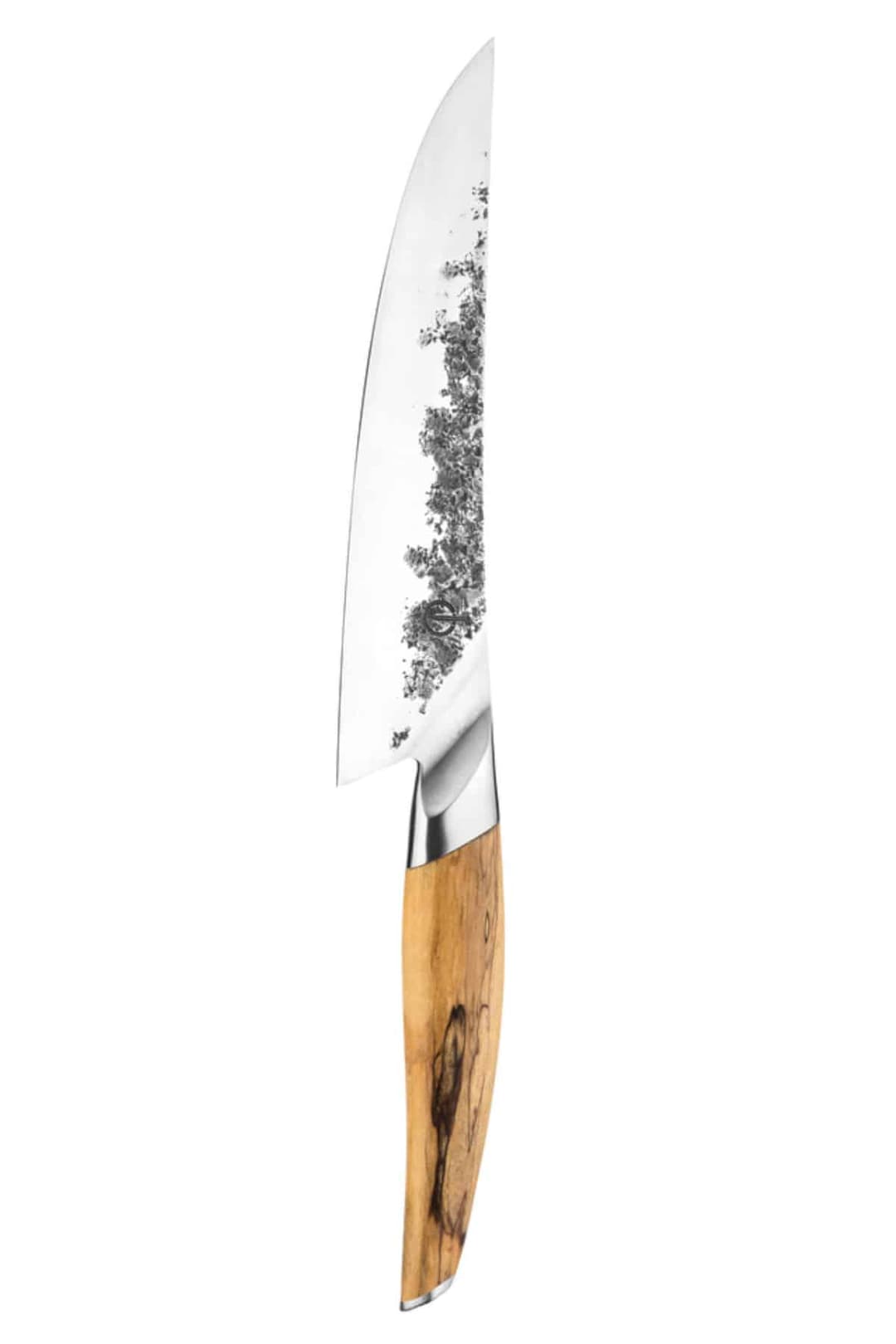
Brute Forged - Chef's Knife
  • Brute Forged - Chef's Knife
  • Brute Forged - Chef's Knife
  • Brute Forged - Chef's Knife
  • Brute Forged - Chef's Knife
FRAME · 01 / 04
360° VIEW ·

Brute Forged - Chef's Knife

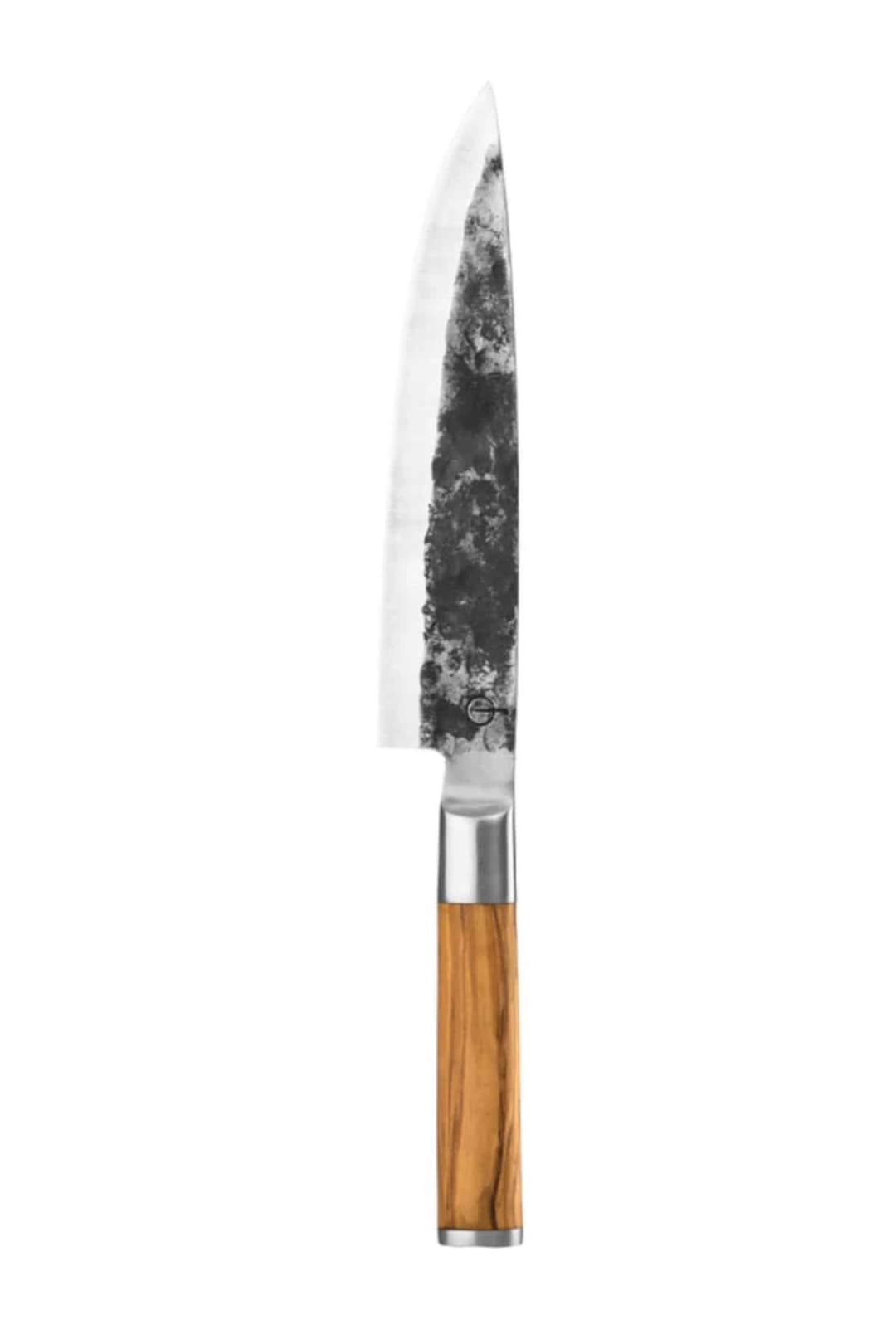
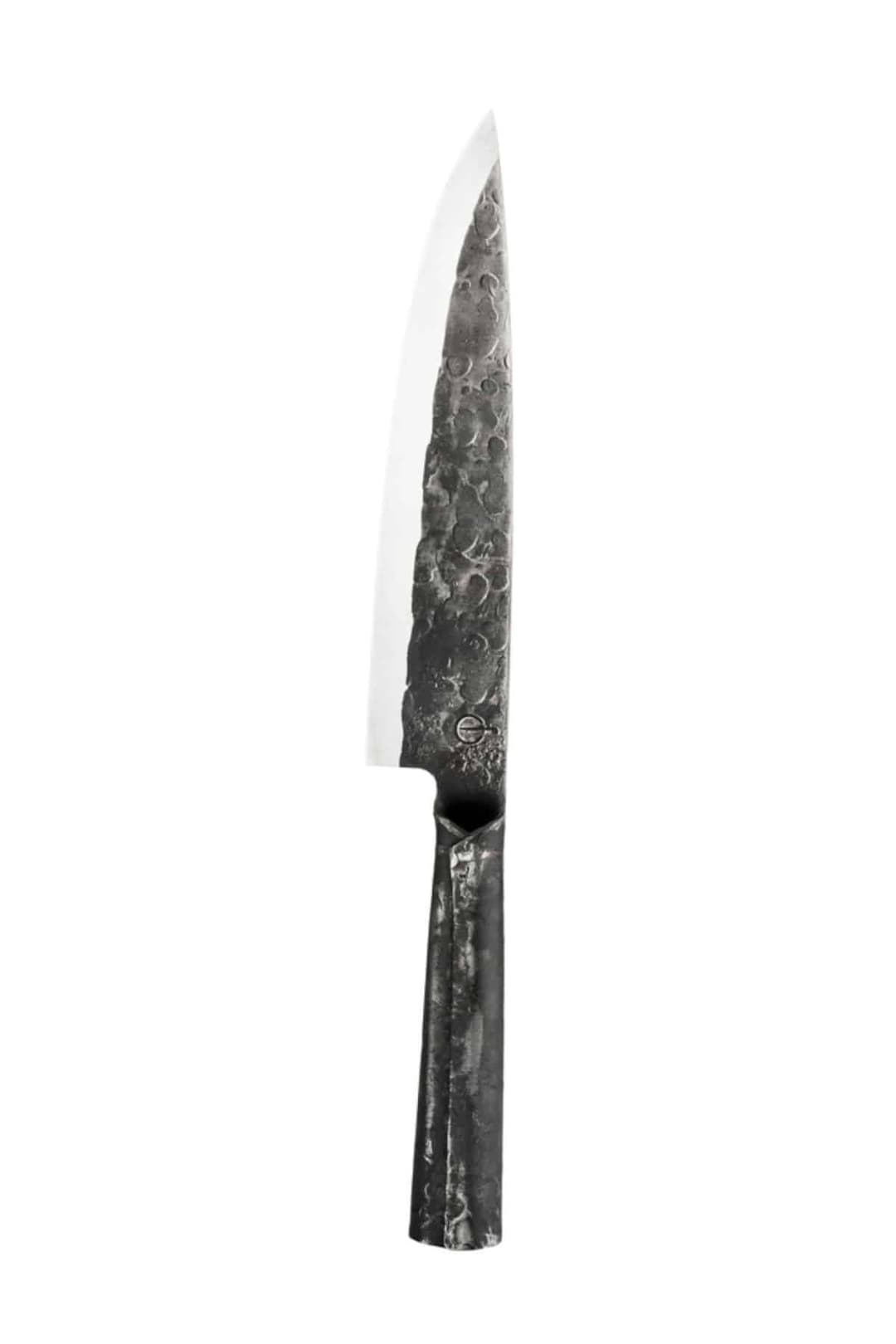
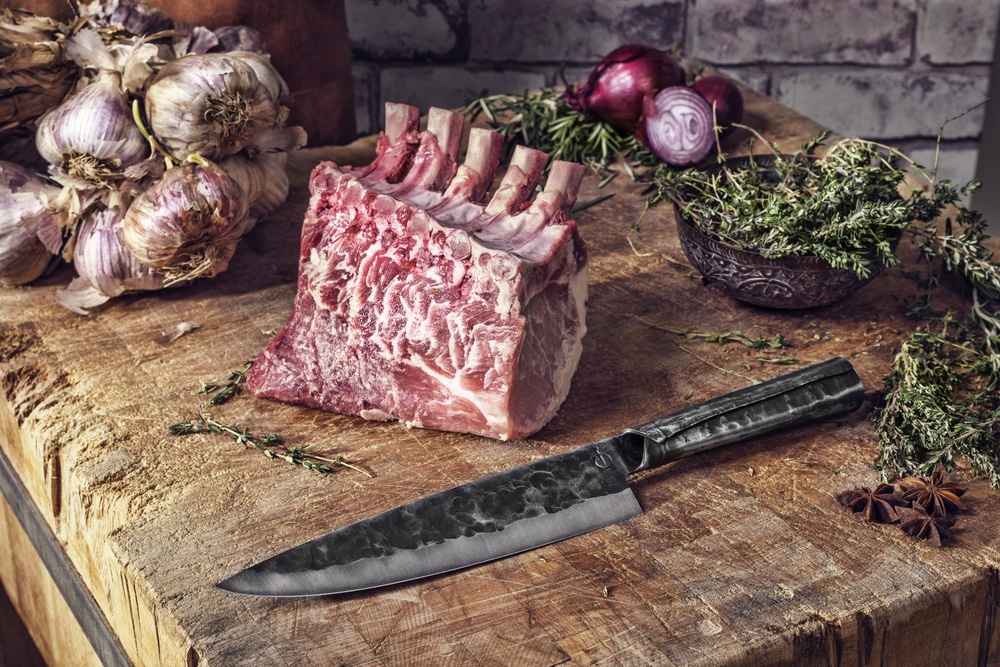
The knife you start with: chopping vegetables, mincing herbs, portioning meat. Large, well balanced and sharp straight away.

  • Long blade for chopping, cutting and portioning
  • Forged steel with a matte, rugged finish
  • Great balance, the weight does the work
In stock
54,-
incl. VAT
Delivery: 1 working dayFree from €80 to NL and Belgium
Tested by the teamOnly brands we stand behind ourselves
Q-ShopsCertified Dutch webshop
Secure paymentiDEAL, Bancontact or PayPal

What do you use a brute forged chef's knife for?

For most of your cutting work: chopping vegetables, mincing herbs, portioning meat and cutting fish into pieces. The long blade cuts straight through a product in one stroke, and the balance means you guide rather than push. It's the base knife of the range, which you expand with a paring knife for fine work.

  • Long blade for chopping, cutting and portioning
  • Forged steel with matte Brute Forged finish
  • Hand wash and dry immediately, not dishwasher safe

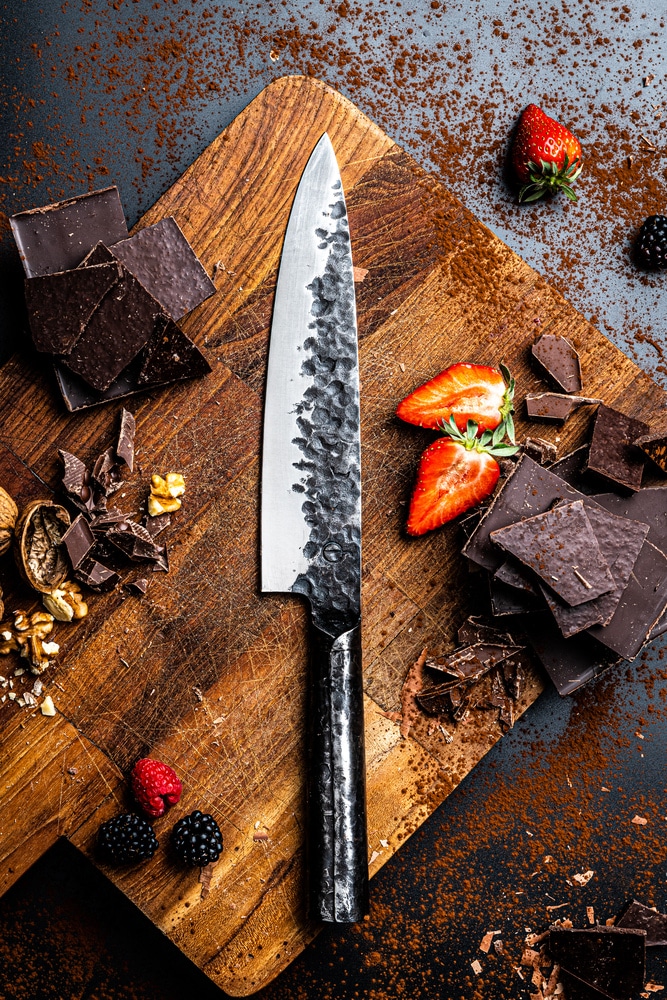
A Brute Forged chef's knife is the knife you reach for first in almost every dish. Chopping onions, cutting cabbage, mincing herbs, portioning a piece of meat: with one long blade you handle most of the work on the board. The length lets you cut straight through a product in one stroke, so edges stay clean instead of getting crushed.

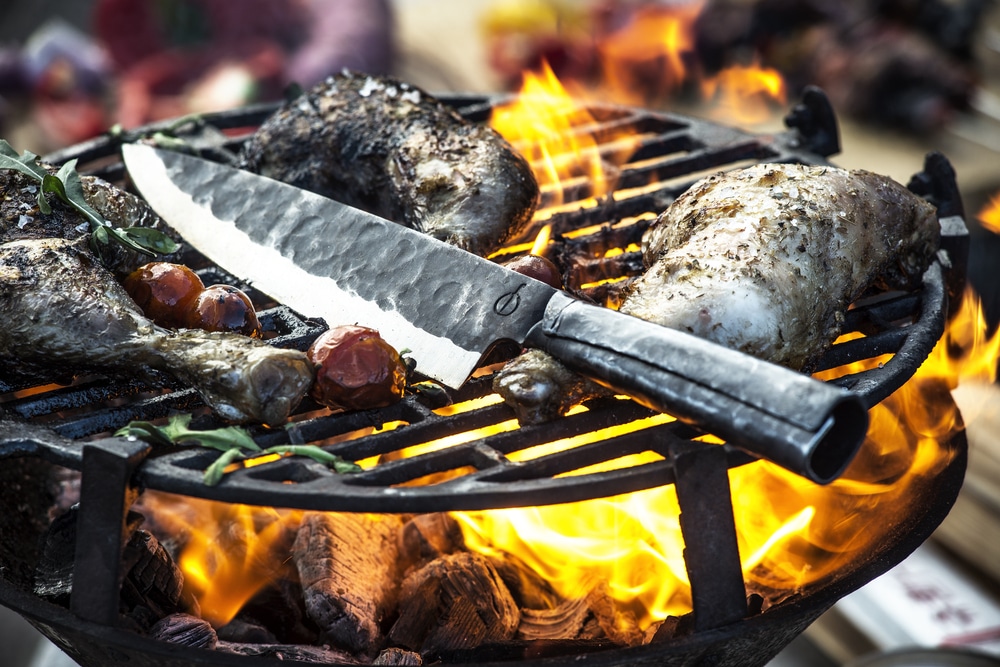
The blade is forged and has the dark, matte finish of the whole Brute Forged range. The weight is balanced so the knife drops down on its own: you don't need to push, you just guide it. That saves effort with larger quantities and also makes the knife pleasant to use in the outdoor kitchen next to the kamado.

  • Long blade, cuts large products in one stroke
  • Forged steel with the matte Brute Forged finish
  • Balance sits close to the handle, guides lightly
  • Suitable for vegetables, herbs and raw meat
  • Base of the range, to expand with smaller knives

Getting the most out of your brute forged chef's knife

Hold the knife with your thumb and index finger on the blade rather than just around the handle: it gives you much more control. Keep the tip on the board and rock the handle up and down for herbs and small vegetables. For large products, place the heel of the knife at the top and pull it towards you. Curled fingers on your other hand guide the blade.

Care

Wash the knife by hand and dry it straight away, even if you have only cut vegetables. Do not put it in the dishwasher or leave it in the sink. Cut on wood or plastic and store the knife on a magnetic strip or in a knife block, so the edge stays clear of other cutlery. Hone the edge regularly.

Bill's tipA knife rarely goes blunt from cutting, but often from the board. Replace a hard or deeply scored board in time.

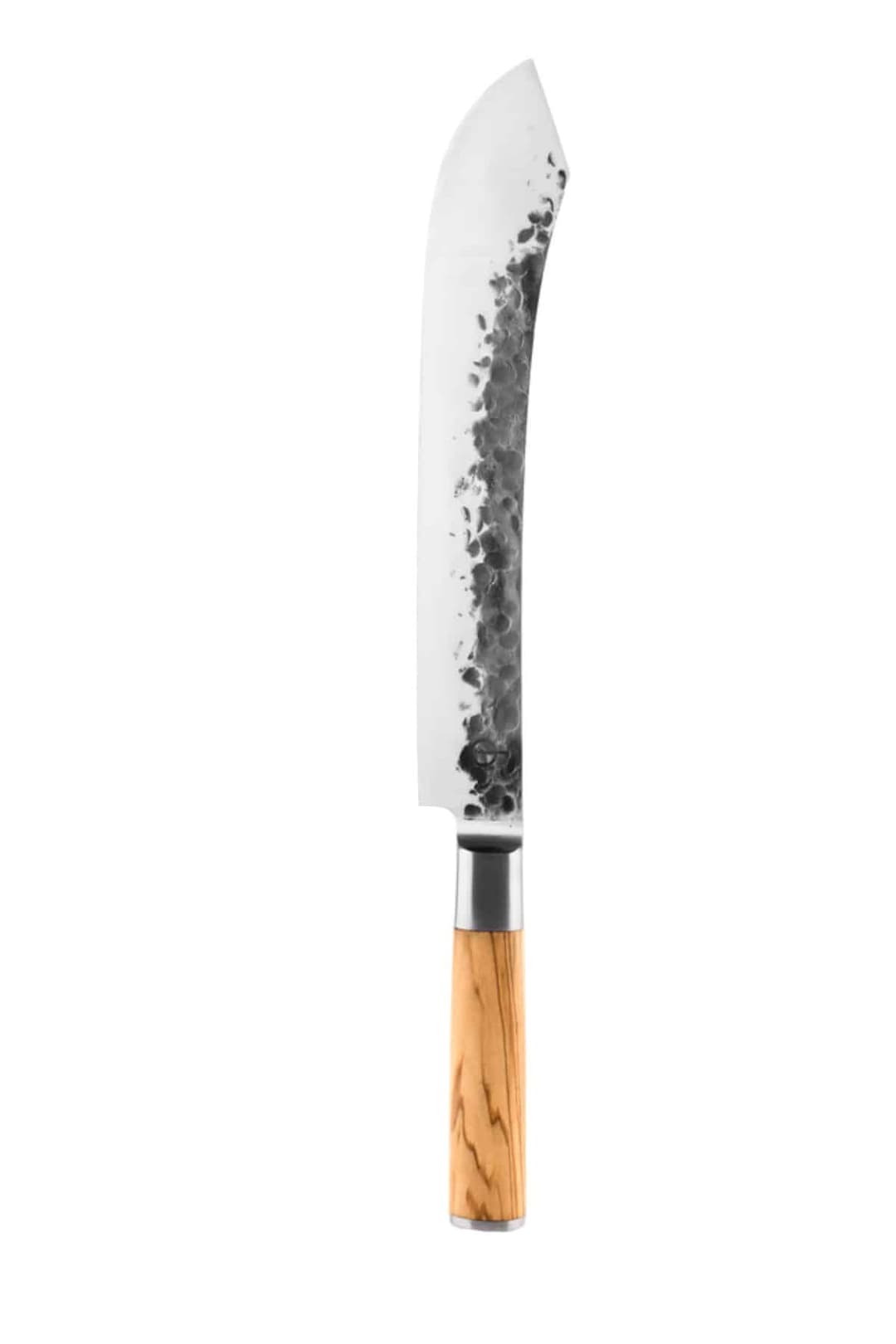
Want to expand the range with a paring knife or a carving knife, take a look at the knives. You'll find a good surface at the serving boards and cutting boards, and with a sharpener from the Horl knife sharpeners you always put the edge back at the same angle.
Specs

Technical,
to the gram.

Product

  • SKUBruteKoksmes
  • StockIn stock
  • BrandBrute Forged
Brute Forged - Chef's Knife
BruteKoksmes
Reviews

What pitmasters
think of it.

5,0
Op basis van 1 reviews
Snijd door het vlees al was het boter.
Luc hultermans

Frequently asked questions

What's the difference with a santoku knife?
A chef's knife is longer, has a higher point and cuts with a rocking motion from that point. A santoku is shorter and flatter and cuts with a straight stroke. For rough work and large quantities, a chef's knife is more practical.
Can the knife go in the dishwasher?
No. Wash it by hand and dry it immediately. Dishwasher detergent, heat and rattling against other cutlery damage the edge and the handle.
What's the best board to cut on?
Wood or plastic. Glass, stone and ceramic blunt a knife within a few cuts.
How do I keep the knife sharp?
Hone the edge regularly with a honing steel and only sharpen once honing no longer has an effect. A fixed-angle sharpener stops you from taking the edge off at a skewed angle.