

Grill Bill
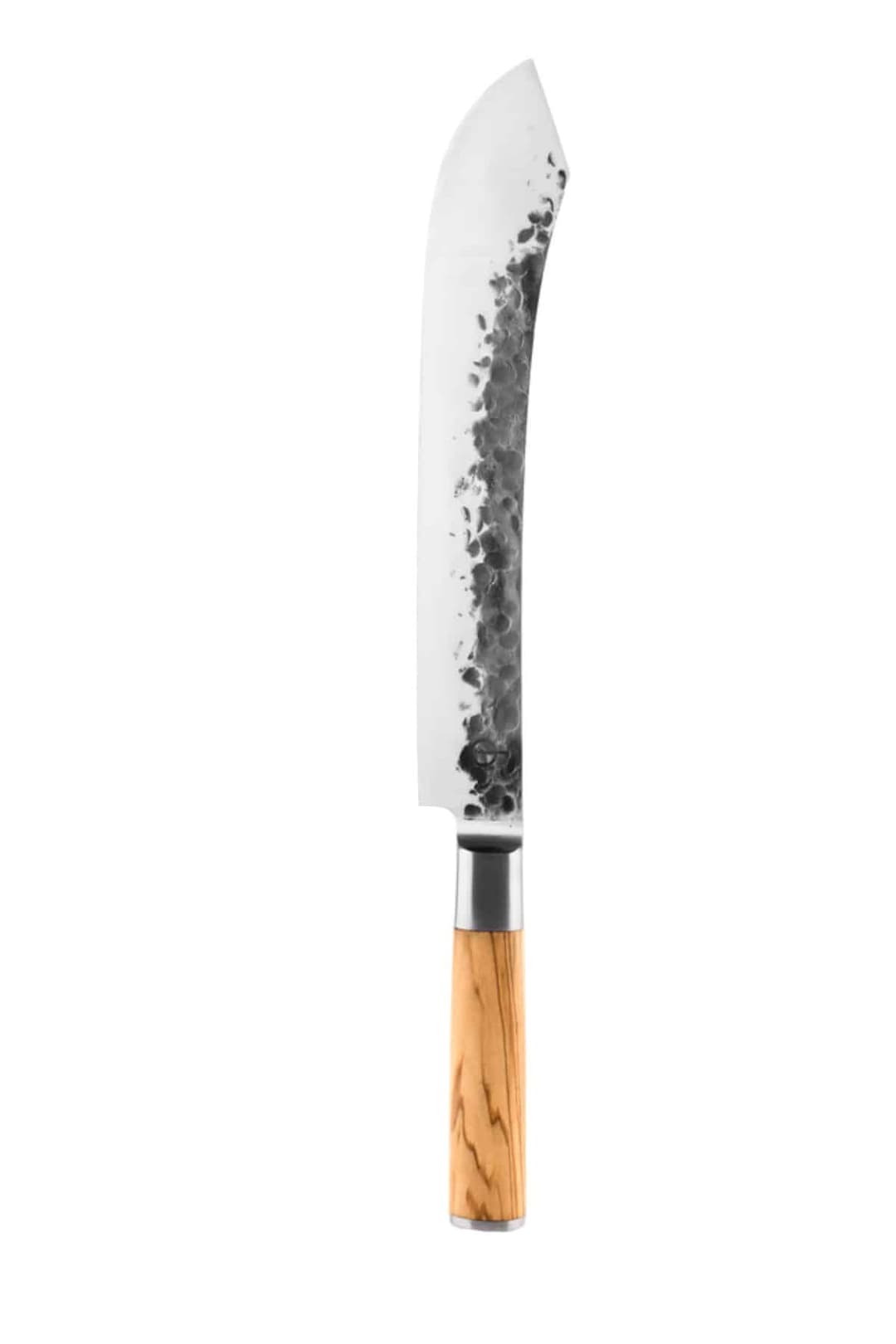
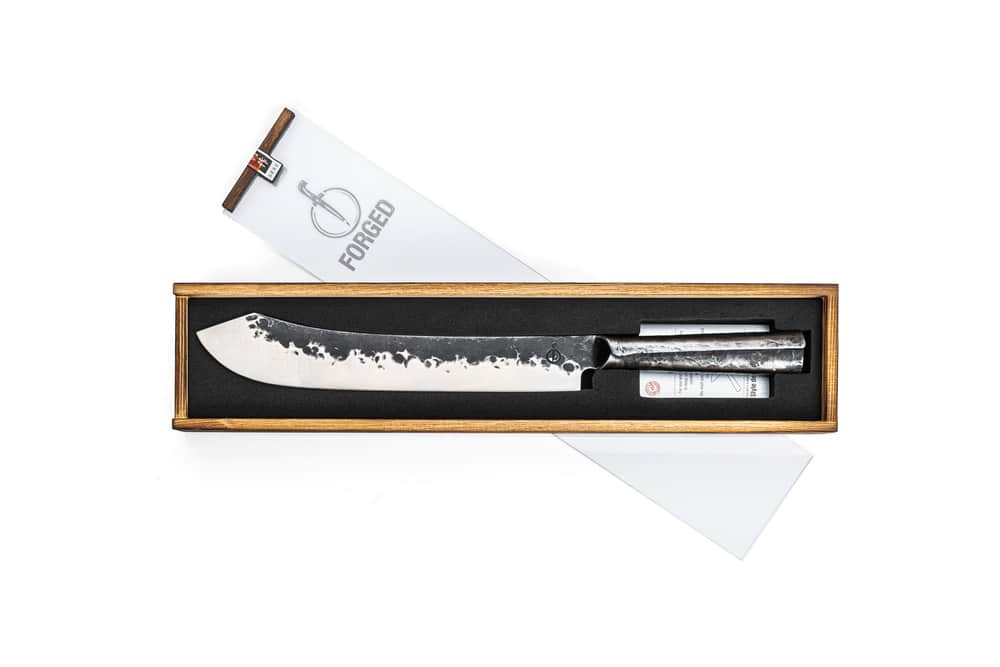
Brute Forged - Butcher's Knife
  • Brute Forged - Butcher's Knife
  • Brute Forged - Butcher's Knife
  • Brute Forged - Butcher's Knife
  • Brute Forged - Butcher's Knife
FRAME · 01 / 04
360° VIEW ·

Brute Forged - Butcher's Knife

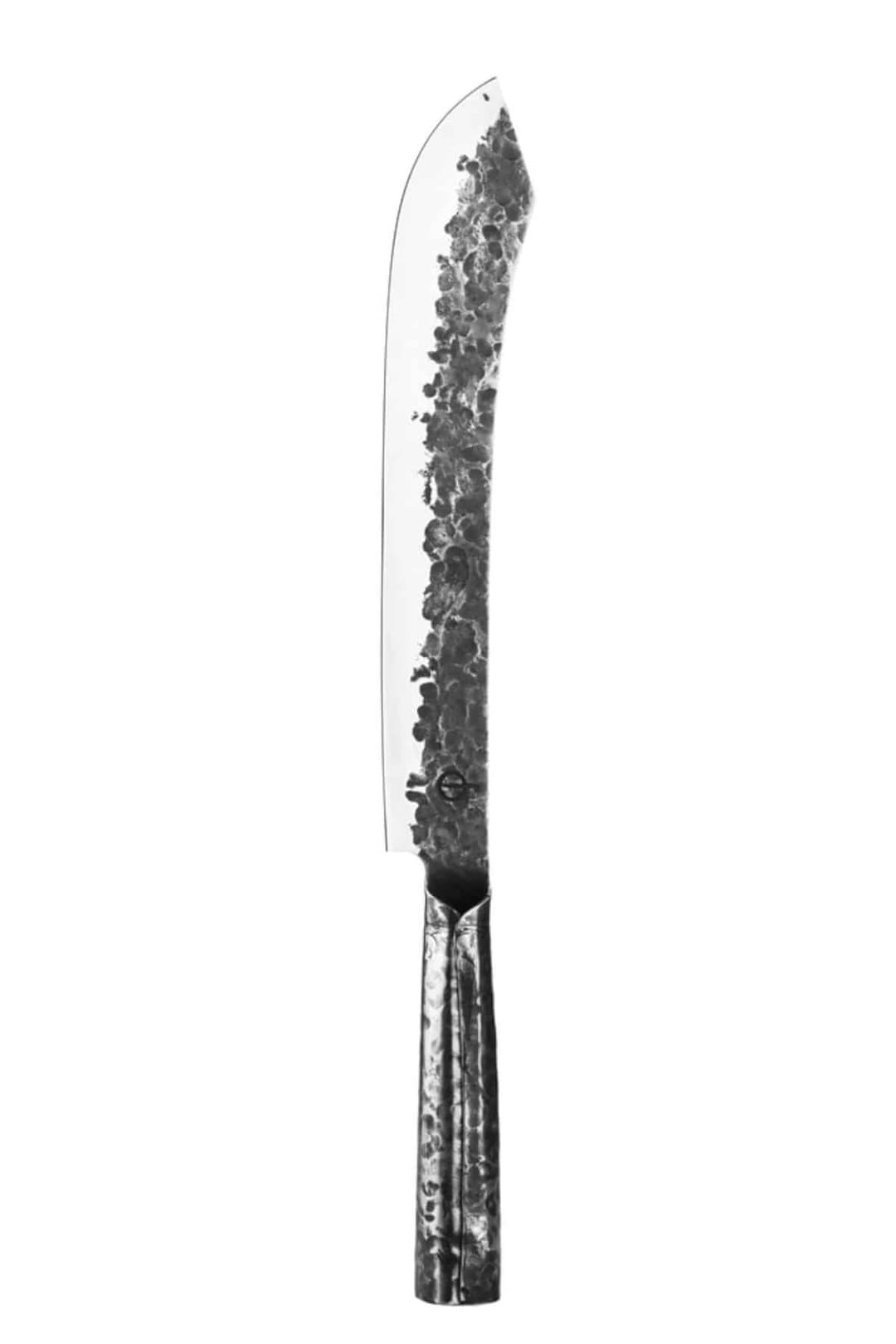
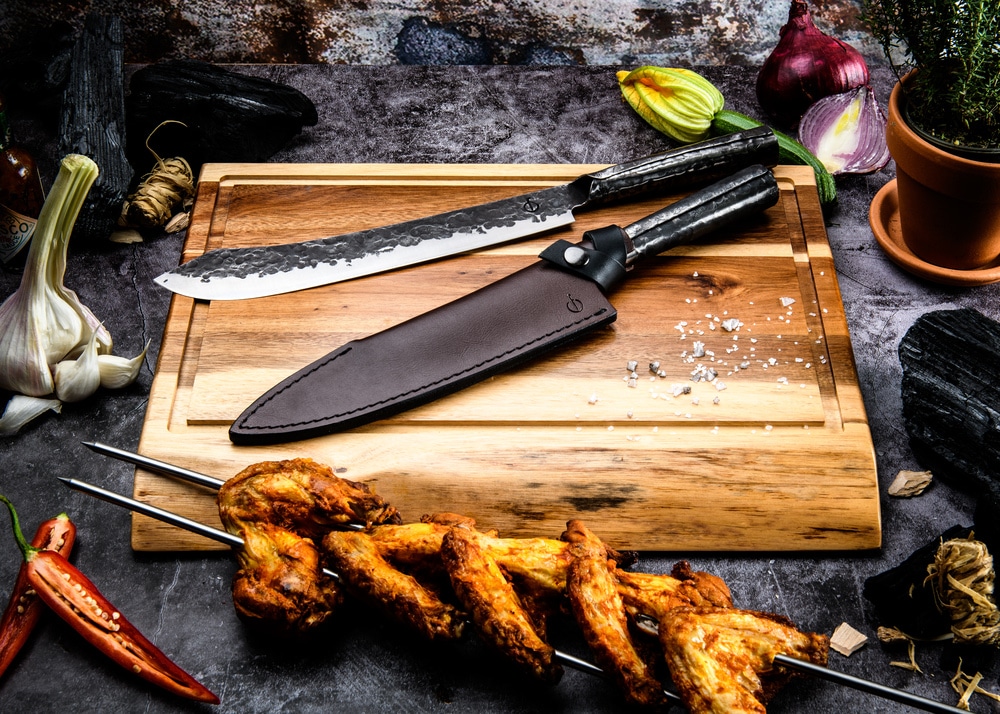
A heavy knife for rough work: breaking down large cuts of meat, tackling joints, and still cutting neatly along a bone.

  • Heavy blade, breaks down large cuts of meat
  • Forged steel with a matte, rugged finish
  • Coarse enough for joints, precise enough along bone
Out of stock
58,36
incl. VAT
Delivery: 1 working dayFree from €80 to NL and Belgium
Tested by the teamOnly brands we stand behind ourselves
Q-ShopsCertified Dutch webshop
Secure paymentiDEAL, Bancontact or PayPal

What do you use a brute forged butcher's knife for?

For rough cutting work on large cuts of meat: breaking down, portioning, trimming away fat and working along a bone. The blade has mass, so you cut with weight rather than force. It's meant for cutting, not for chopping through bones.

  • Heavy blade for breaking down and portioning
  • Work on a thick, stable cutting board
  • Hand wash after raw meat, dry immediately

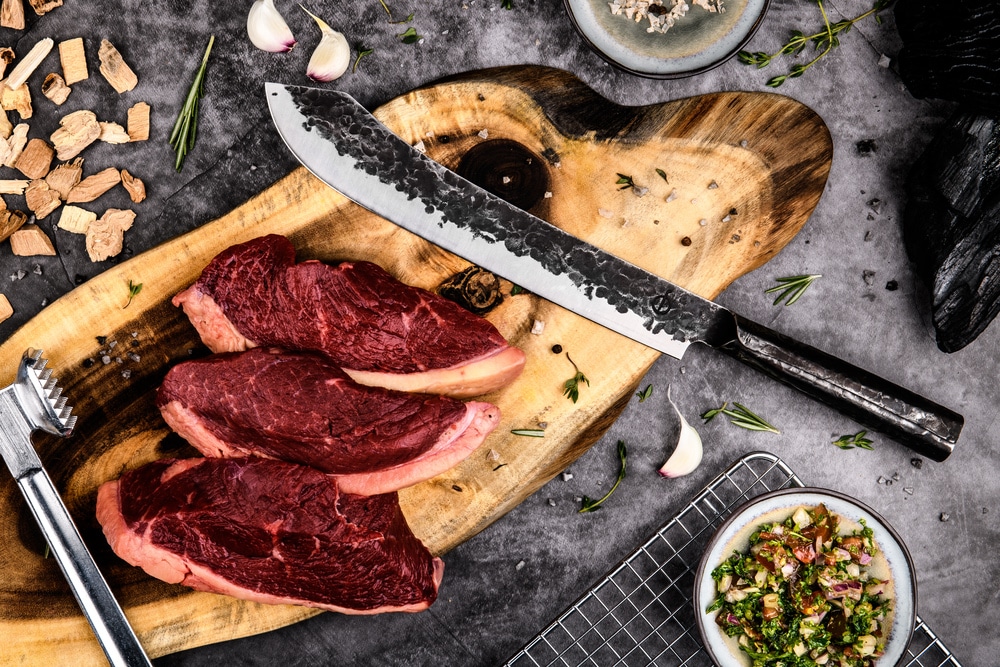
The Brute Forged butcher's knife is the knife you reach for when an ordinary chef's knife falls short. The blade has mass, so you cut with weight rather than force. Breaking down a whole neck, cutting a shoulder into pieces, freeing a rib or slicing a thick piece of meat into portions: this knife makes it calmer and safer than a lighter model.

At the same time it's not a cleaver you just hack through bones with. The shape stays controllable enough to work along a bone and trim away fat. That makes it one knife for the whole preparation of a large cut of meat before it goes onto the kamado or the barbecue.

  • Heavy blade that does the cutting work itself
  • Forged steel with the matte Brute Forged finish
  • For breaking down, portioning and rough trimming
  • Enough control to cut along a bone
  • Fits with the other knives in the range

How to use the brute forged butcher's knife

Work on a sturdy, thick board that doesn't slide. Put a damp cloth underneath if it still does. Cut in long strokes and let the weight of the blade drop rather than pressing down. For a joint, first find the gap between the bones with the tip, then cut the meat free. Bones themselves belong to a saw, not a knife.

Care

After raw meat, wash by hand immediately and dry it right away. Never put it in the dishwasher and don't leave it in the sink. Store the knife on its own, for example on a magnetic strip, so the edge doesn't touch other metal. Hone the edge regularly with a honing steel.

For slicing cooked meat, reach for a longer carving knife instead, found at the knives. You'll find a large, stable surface at the serving boards and cutting boards, and with a sharpener from the Horl knife sharpeners you keep the edge at the right angle.
Specs

Technical,
to the gram.

Product

  • SKUBruteButcher
  • StockSold out
  • BrandBrute Forged
Brute Forged - Butcher's Knife
BruteButcher

Frequently asked questions

Can I chop through bone with this?
No. Use the knife to cut meat and work along bones. For bones you need a bone saw or a cleaver, otherwise you damage the edge.
What's the difference with a chef's knife?
A butcher's knife is heavier and sturdier and is meant for large cuts of raw meat. A chef's knife is lighter and more versatile and you use it mainly for vegetables and everyday cutting work.
Can this knife go in the dishwasher?
No. Wash it by hand, especially after raw meat, and dry it immediately. Dishwasher detergent and heat damage the edge and the handle.
Which cutting board should I use?
A thick board of wood or sturdy plastic that doesn't slide. A thin or hard board flexes or makes the edge go blunt quickly.