

Grill Bill
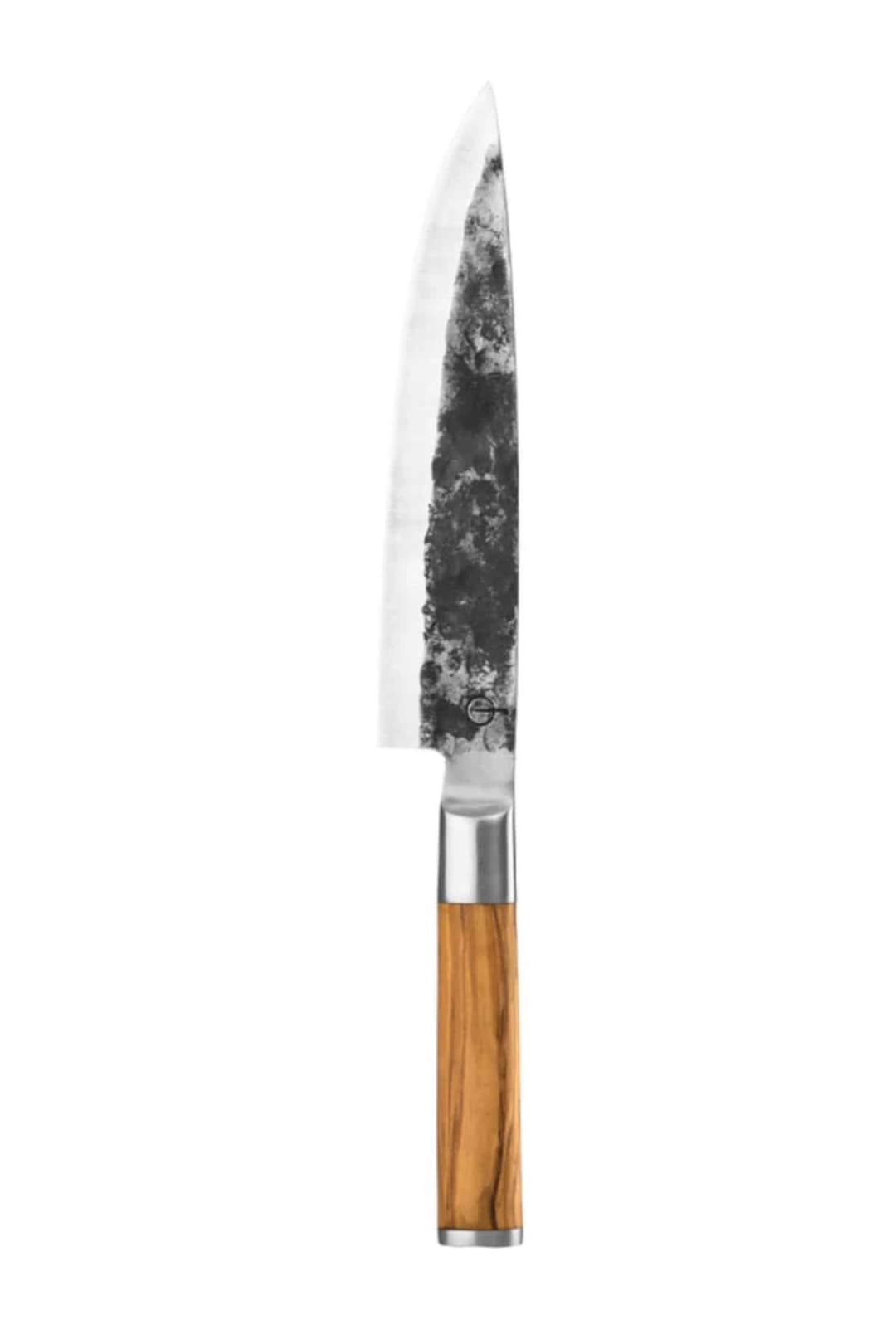
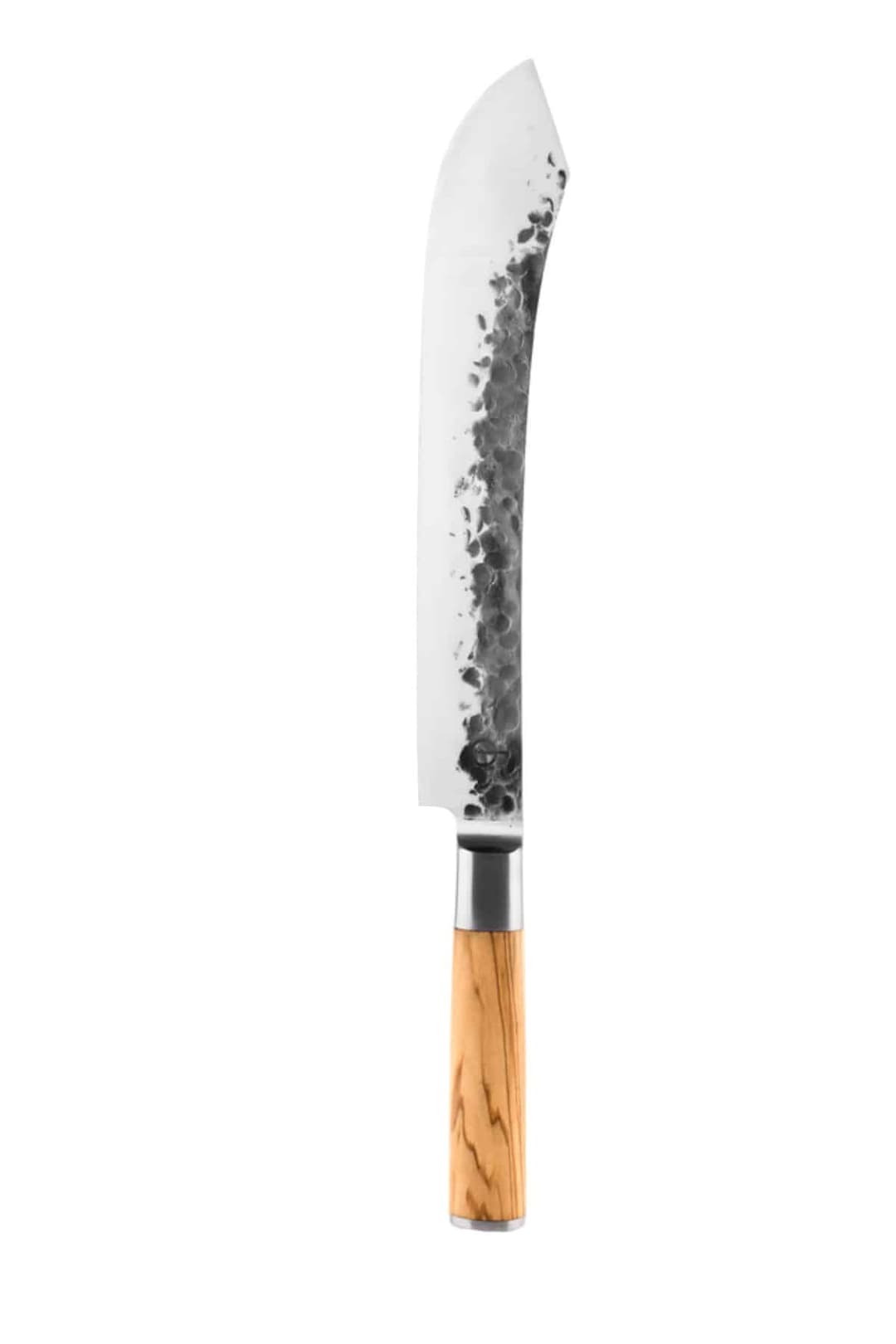
Brute Forged - Meat Knife
  • Brute Forged - Meat Knife
  • Brute Forged - Meat Knife
  • Brute Forged - Meat Knife
FRAME · 01 / 04
360° VIEW ·

Brute Forged - Meat Knife

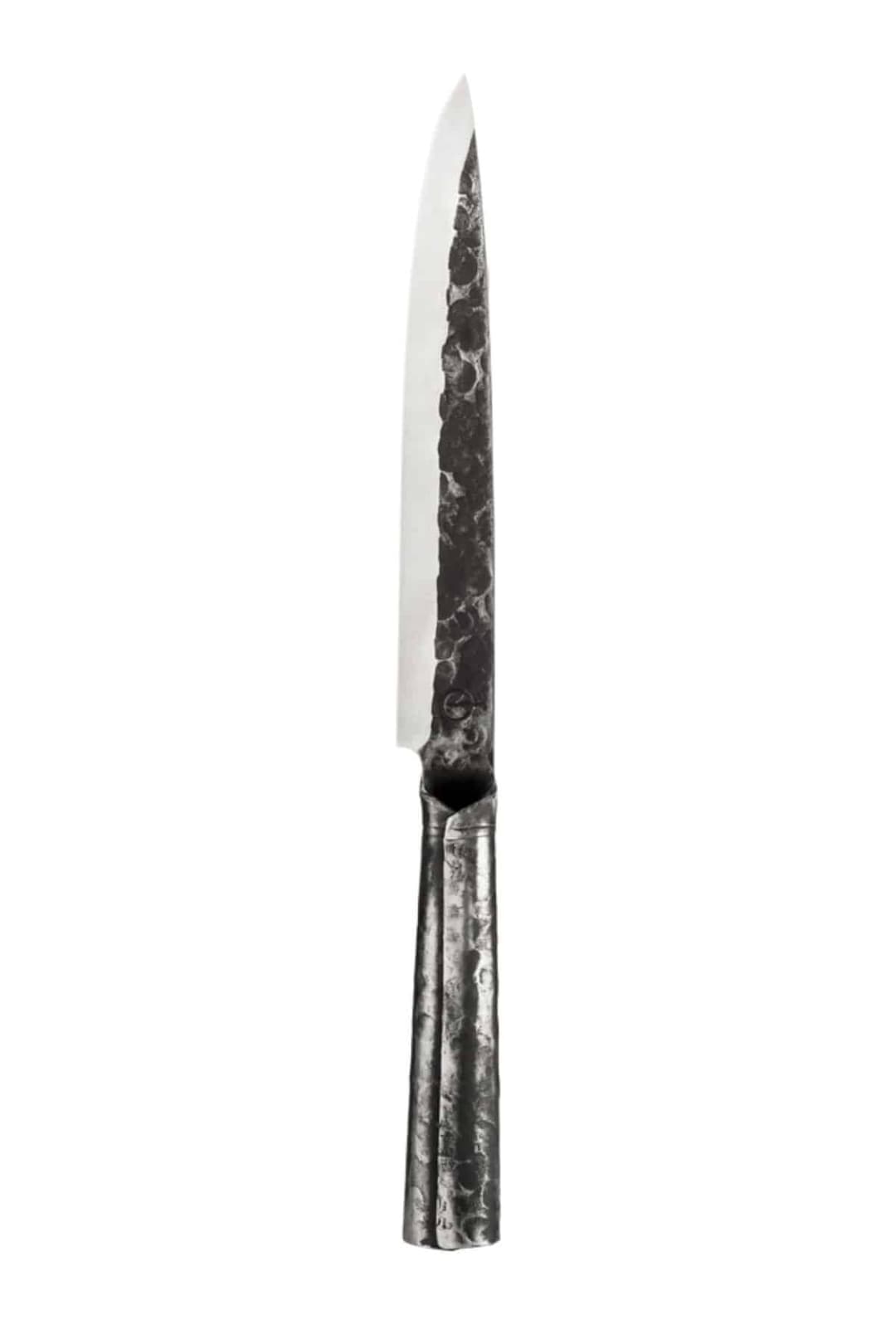
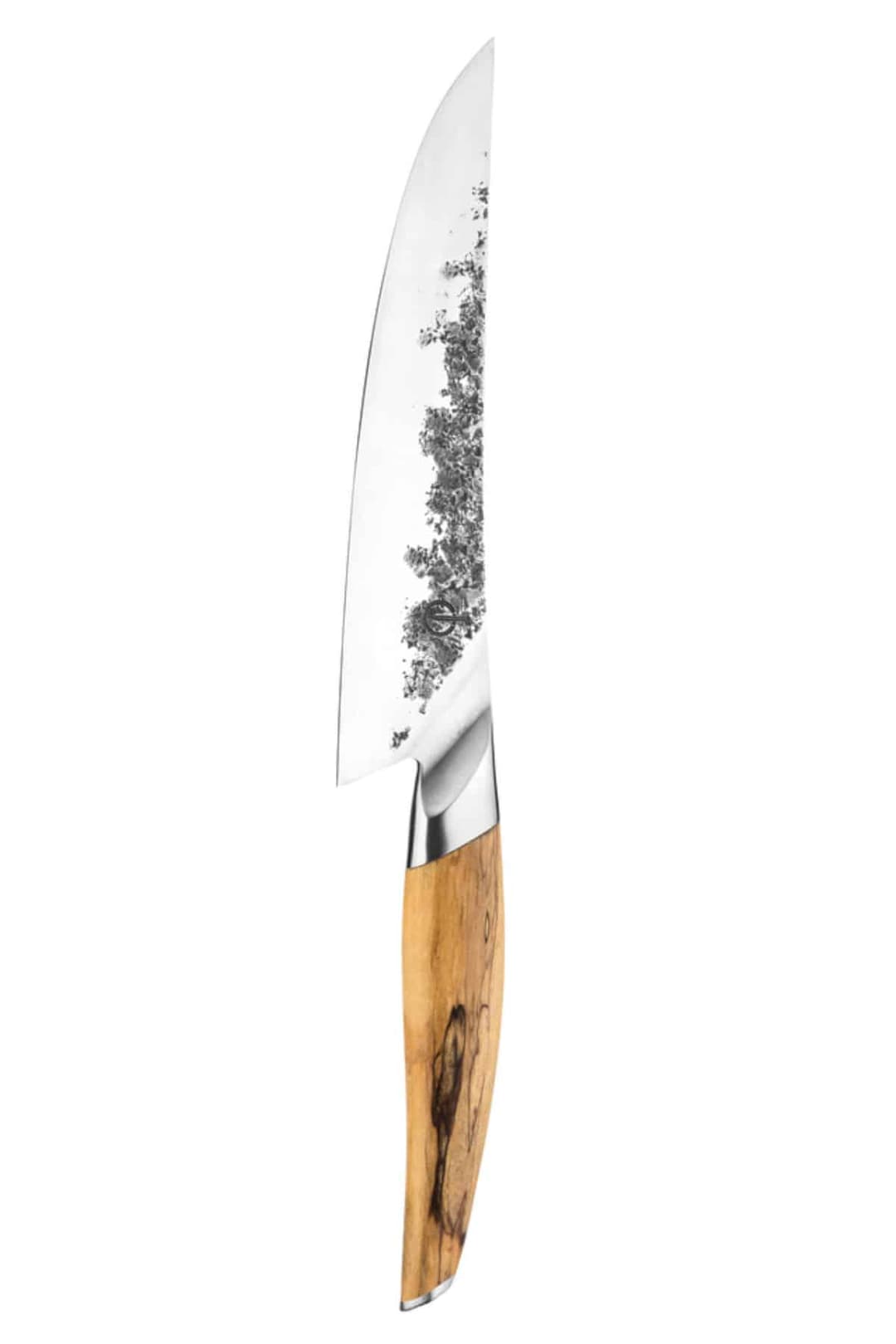
A long knife for the moment your meat comes off the barbecue. One stroke per slice, no sawing, so the fibres stay neat.

  • Long blade: one stroke per slice, no saw marks
  • Forged steel with a matte, rugged finish
  • Built for large cuts off the kamado
In stock
49,56
incl. VAT
Delivery: 1 working dayFree from €80 to NL and Belgium
Tested by the teamOnly brands we stand behind ourselves
Q-ShopsCertified Dutch webshop
Secure paymentiDEAL, Bancontact or PayPal

What is a brute forged meat knife used for?

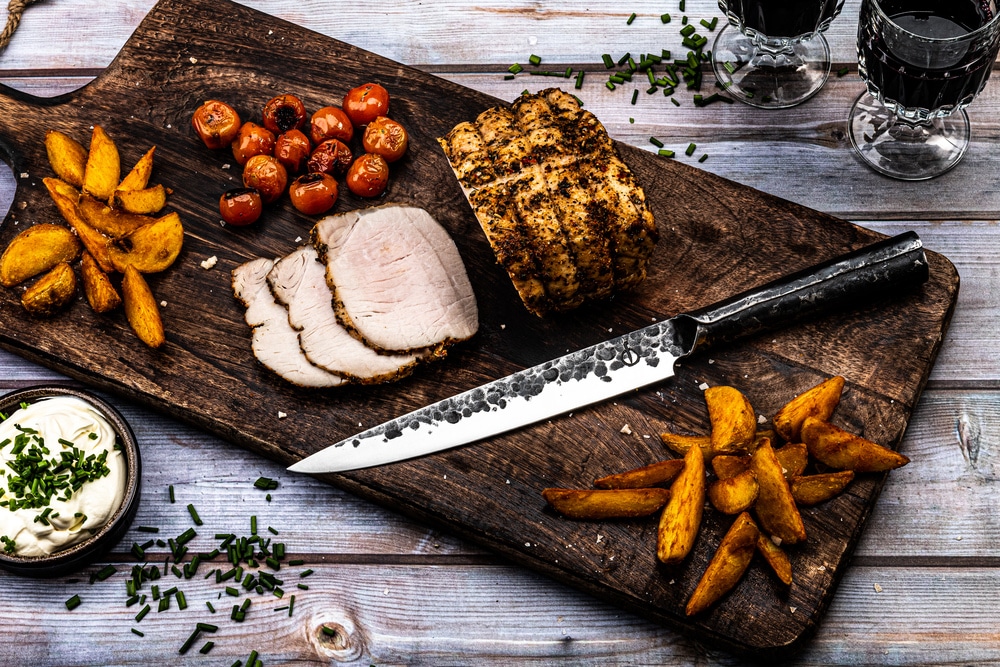
For carving large cuts of cooked meat, such as brisket, roulade, ribeye or a whole chicken. The long blade goes through the meat in one stroke, so the fibres do not fray and less juice is lost. Let the meat rest first and then cut across the grain.

  • Long blade, one stroke per slice with no sawing
  • For cooked meat off the kamado or barbecue
  • Wash by hand and dry immediately, not dishwasher safe

A brute forged meat knife is built for the final, visible part of the job: carving. The blade is long and narrow enough to take a large cut of meat in a single motion. That saves not just time, but quality too. Saw back and forth and the fibres fray, letting more juice escape than necessary.

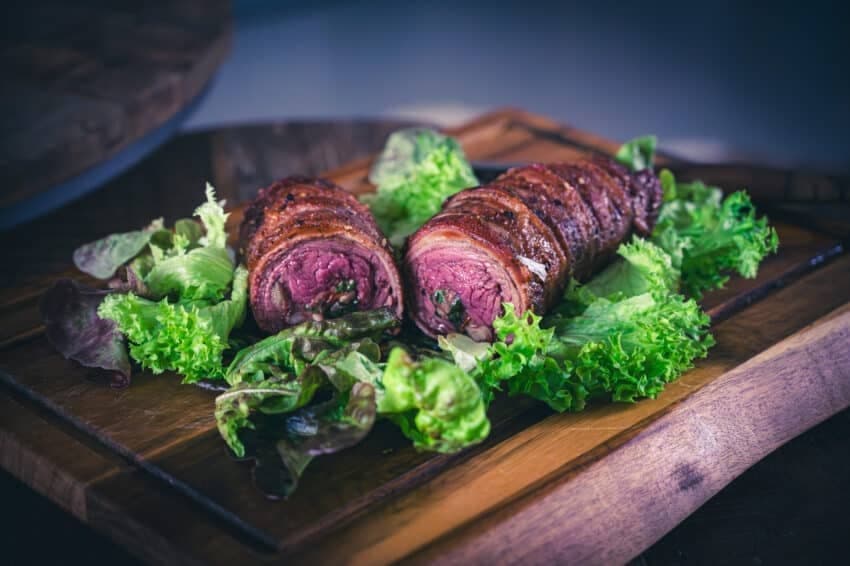
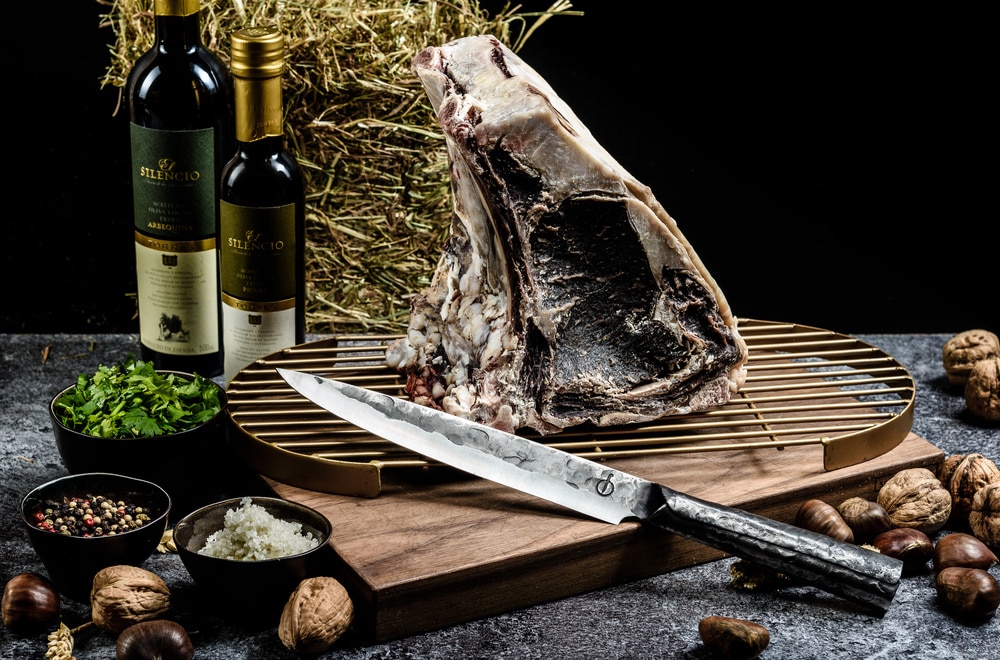
Think of a brisket, a pork shoulder, a ribeye, a whole chicken or a roulade fresh off the kamado. The weight of the knife helps you glide calmly through the crust without pushing. The blade is forged and carries the same dark, matte finish as the rest of the Brute Forged range.

  • Long blade, slices in a single stroke
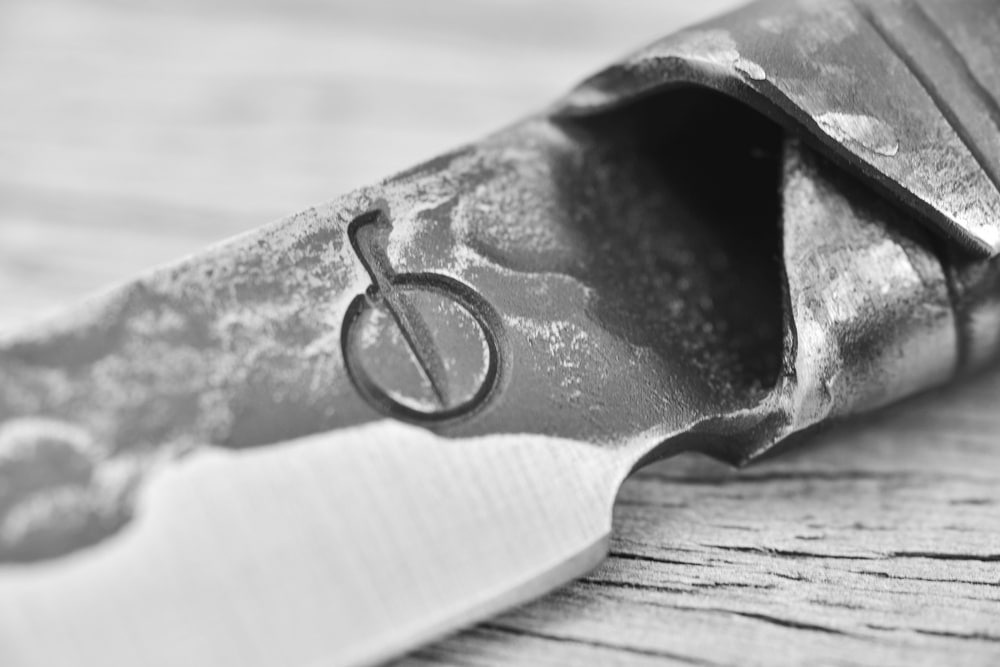
  • Forged steel with the matte Brute Forged finish
  • Neater results and less loss of juice
  • For brisket, roulade, ribeye and whole chicken
  • A great addition to a chef's knife and boning knife

How to carve with the brute forged meat knife

Let the meat rest first, otherwise the juices run out as soon as you cut. Then find the direction of the fibres and cut across them, so every slice bites shorter and eats more tender. Draw the knife towards you in one long stroke and let the weight do the work. With a thick crust, push the tip through first and only then pull through.

Care

Wash by hand straight after use and dry immediately, even if you have only cut cooked meat. Not dishwasher safe. Cut on a wooden or plastic board with a juice groove to keep your worktop clean. Store the knife on its own and hone the edge regularly, since a long blade quickly shows if it is losing its sharpness.

Bill's tipAlways cut across the grain. Even a tougher cut of meat eats noticeably more tender because of it.

If you often work with meat still on the bone, take a look at the knives for a boning knife from the same range. A large board with a juice groove can be found among the serving boards and cutting boards, and a sharpener from the Horl knife sharpeners keeps the edge going back at the same angle every time.
Specs

Technical,
to the gram.

Product

  • SKUBruteVleesmes
  • StockIn stock
  • BrandBrute Forged
Brute Forged - Meat Knife
BruteVleesmes

Frequently asked questions

What is the difference with a chef's knife?
A meat knife is longer and narrower and made to go through a large cut of meat in one stroke. A chef's knife is wider and more versatile, but too short to carve a brisket neatly.
Can I use this to bone meat too?
That is not comfortable. To free meat along the bone you use a narrow, stiff boning knife. This knife is meant for slicing cooked meat.
Is the knife dishwasher safe?
No. Wash it by hand and dry it immediately. Dishwasher detergent and heat damage the edge and the handle.
Why should I cut across the grain?
Because it shortens the fibres. Cut with the grain and the strands stay long, making the meat chewier even when it is well cooked.