

Grill Bill
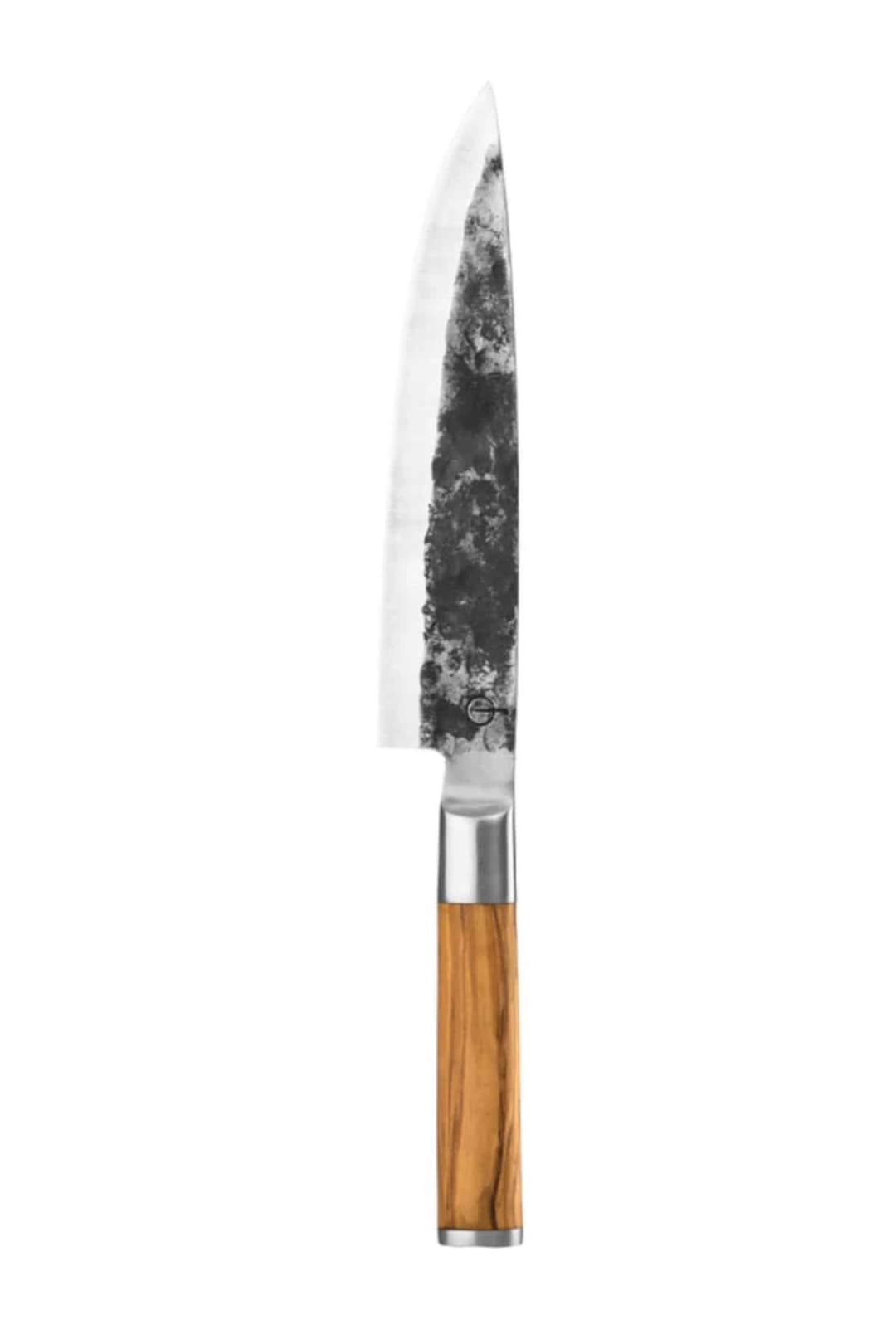
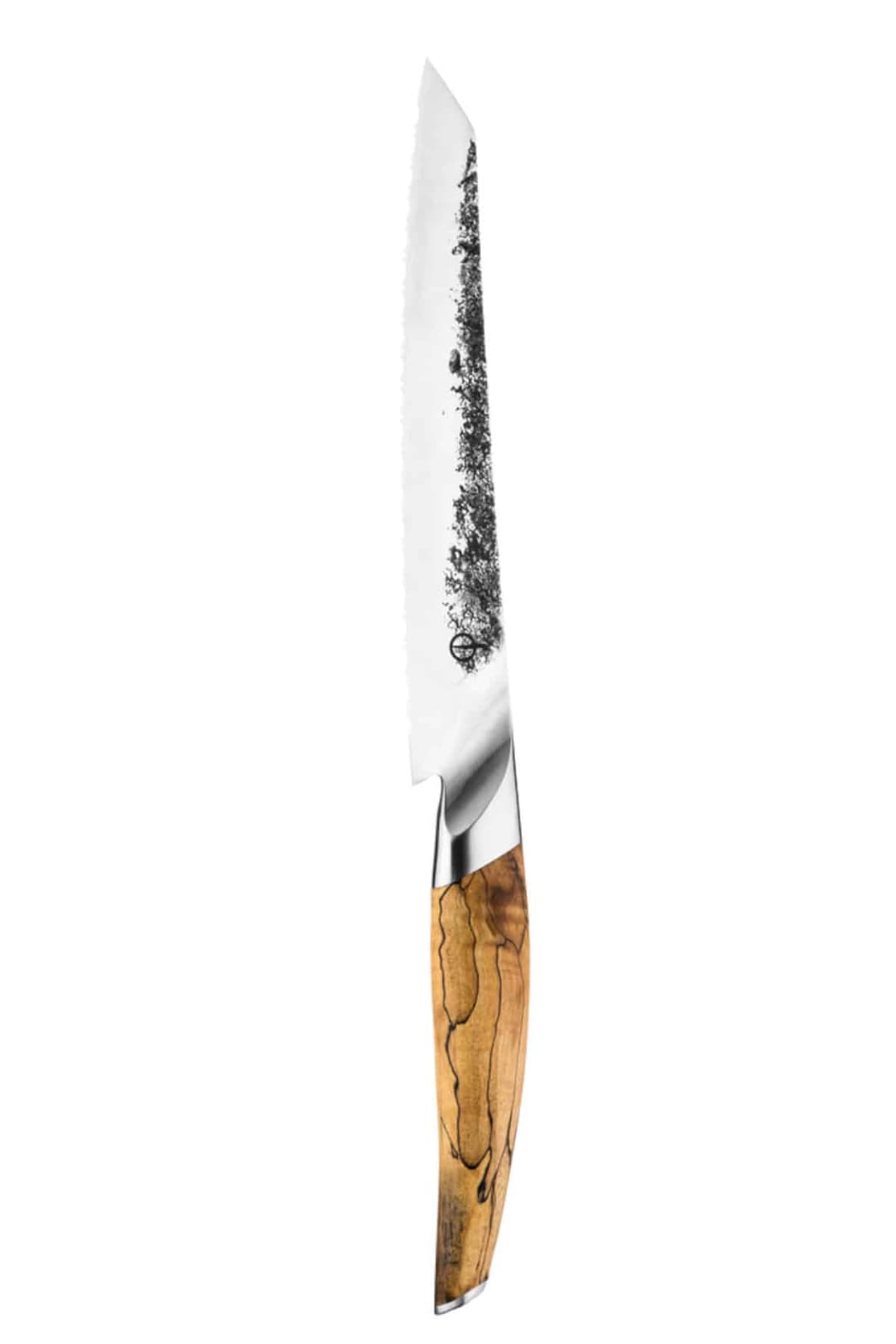
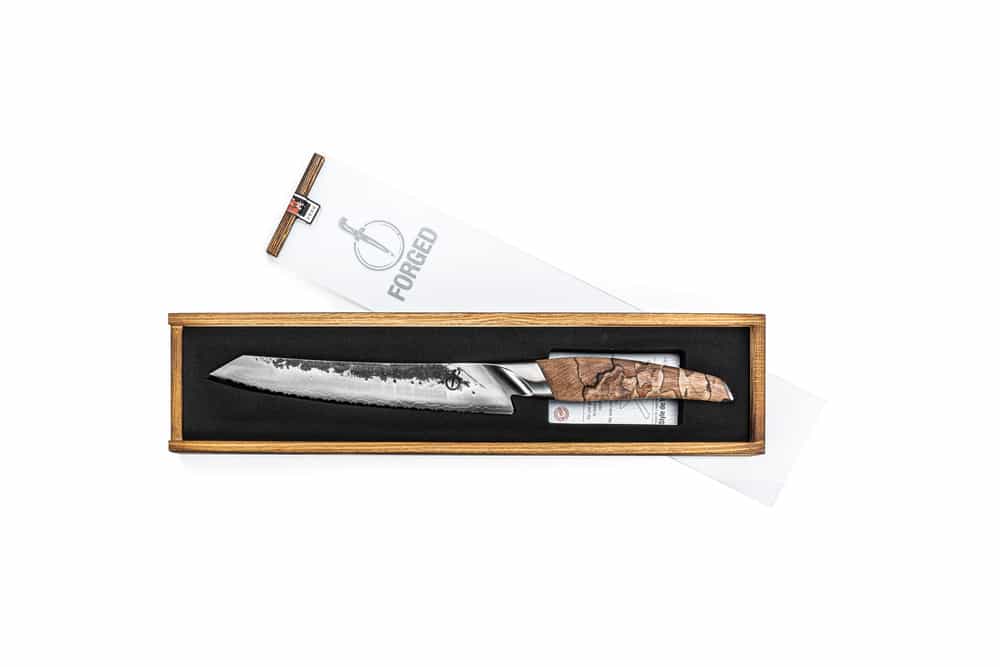
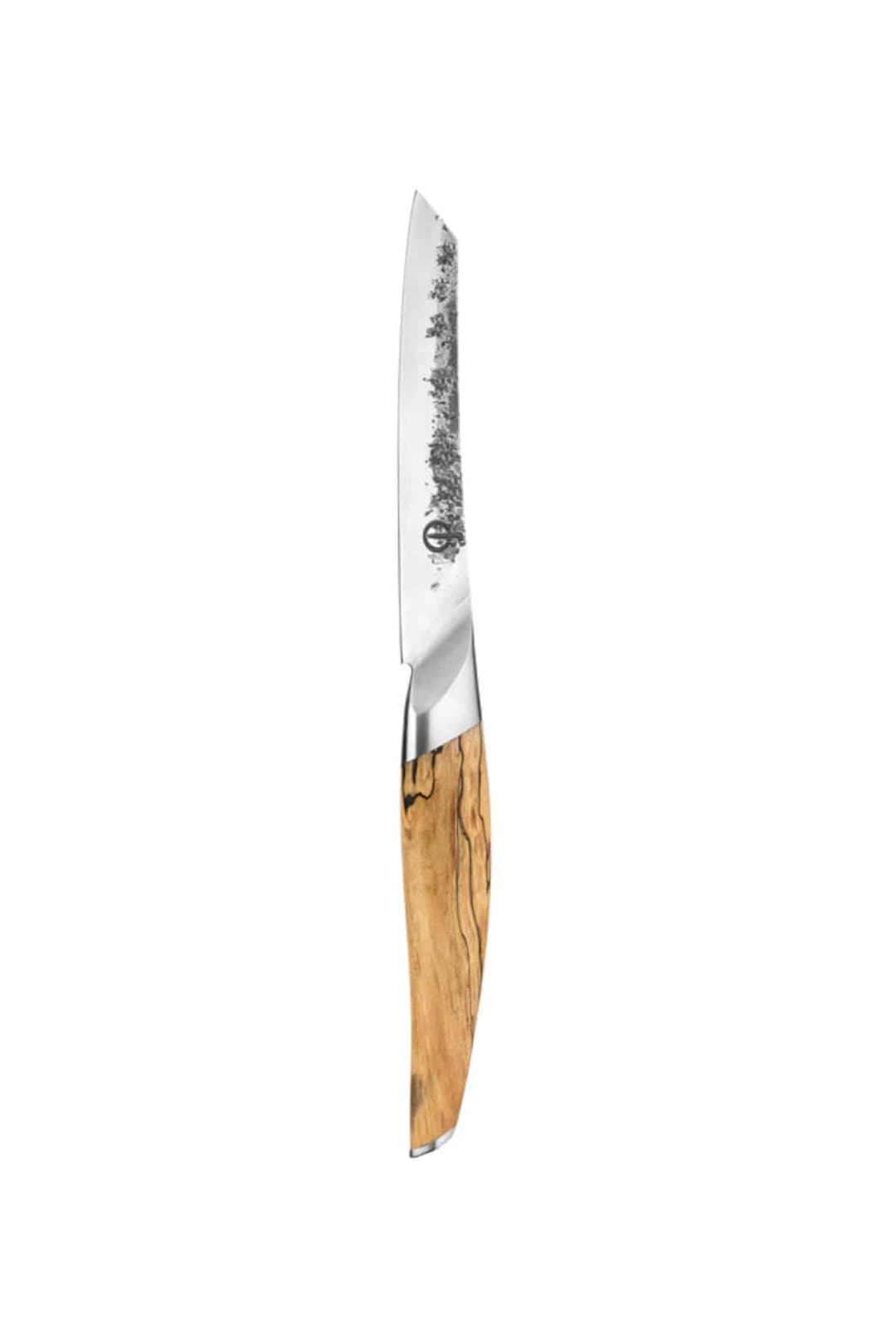
Katai Forged - Bread Knife - 20.5 cm
  • Katai Forged - Bread Knife - 20.5 cm
  • Katai Forged - Bread Knife - 20.5 cm
  • Katai Forged - Bread Knife - 20.5 cm
  • Katai Forged - Bread Knife - 20.5 cm
FRAME · 01 / 04
360° VIEW ·

Katai Forged - Bread Knife - 20.5 cm

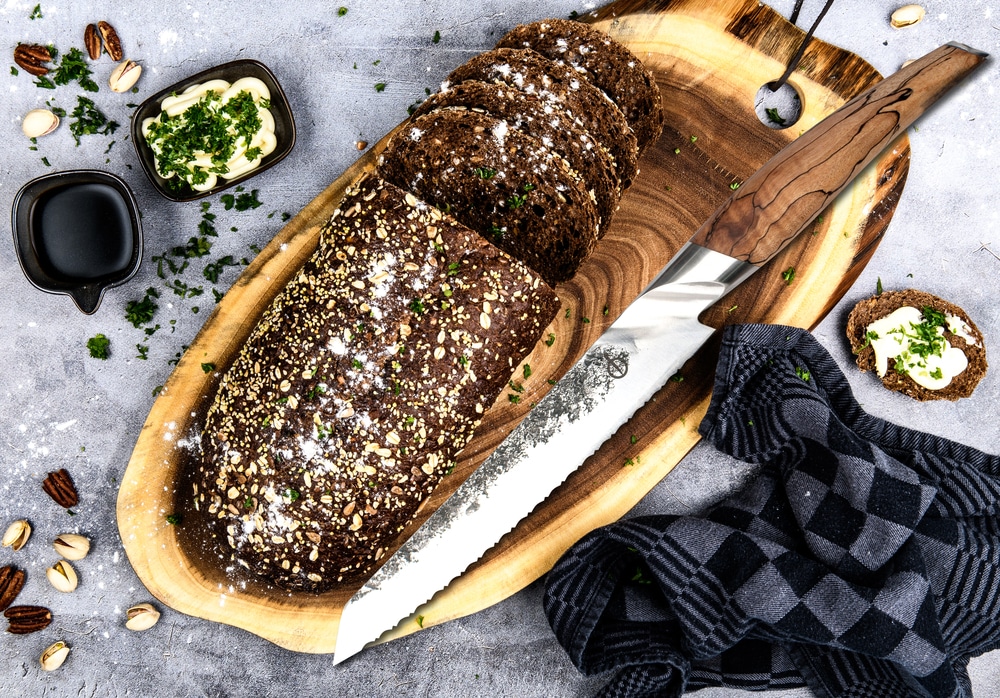
Cuts through a hard crust without flattening the bread or tearing the crumb.

  • Serrated edge saws through crust and skin
  • 20.5cm blade, also for large loaves
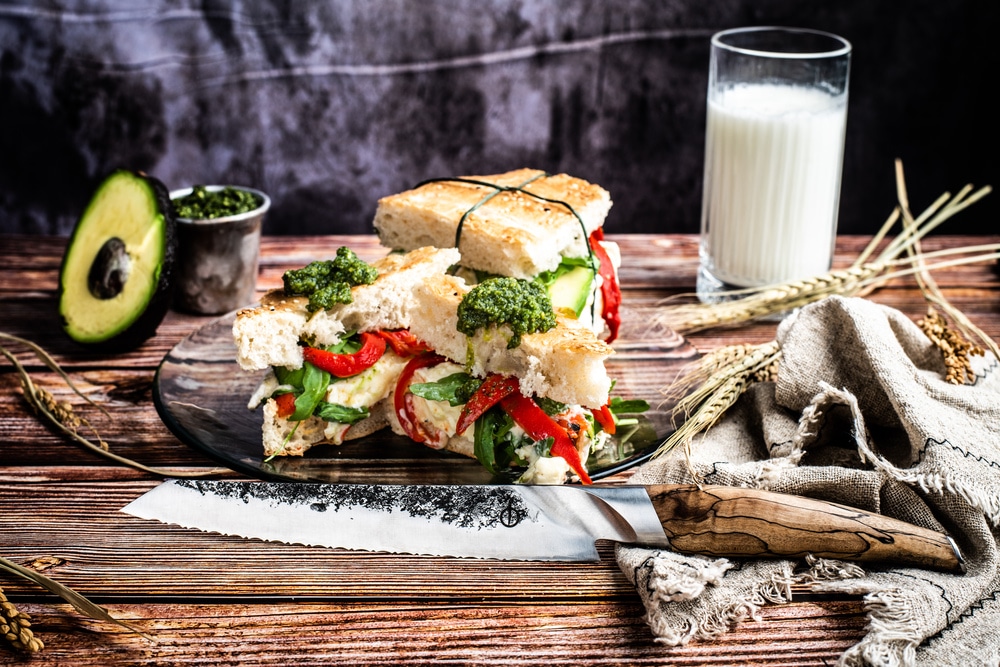
  • Also suitable for tomatoes, melon and pastries
In stock
95,97
incl. VAT
Delivery: 1 working dayFree from €80 to NL and Belgium
Tested by the teamOnly brands we stand behind ourselves
Q-ShopsCertified Dutch webshop
Secure paymentiDEAL, Bancontact or PayPal

What do you use a serrated bread knife for?

For anything with a hard outside and a soft inside. Bread with crust above all, but also tomatoes, melon, citrus fruit and pastries. The serrations saw through the skin without you needing to push, so the product keeps its shape.

  • 20.5cm blade with a serrated edge
  • Cut with long strokes and without pressure
  • Do not sharpen in a regular sharpener

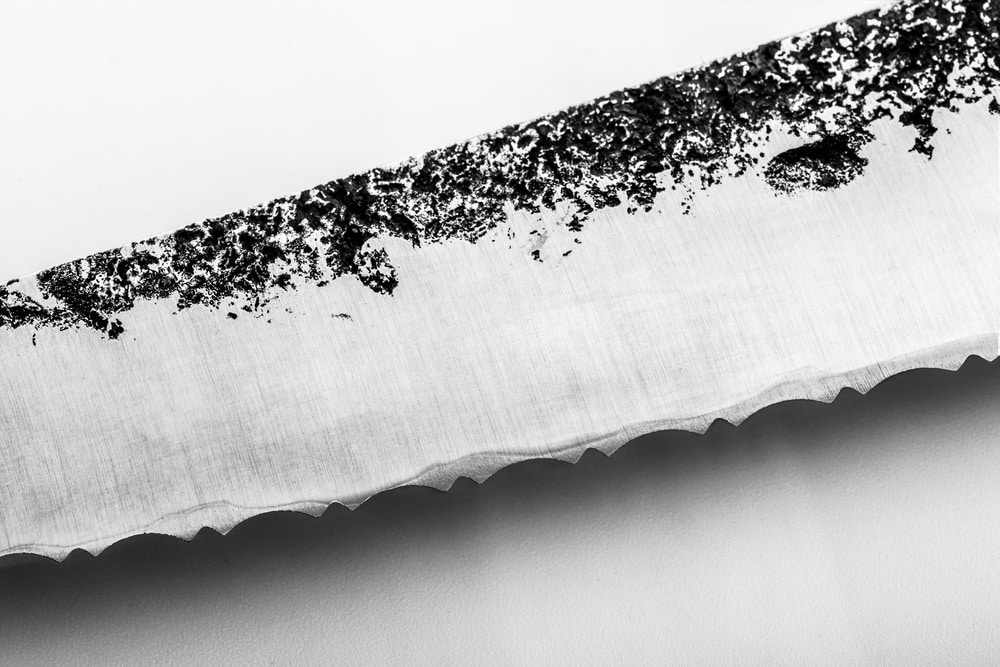
A serrated bread knife does something a smooth blade cannot: it saws its way through a hard crust without pressing the bread flat underneath. This one from Katai Forged has a 20.5cm blade, long enough to cut a large sourdough loaf in one motion. The steel is forged and runs through to the handle.

The serrations grip anything with a firm outside and a soft inside. Besides bread that also means a tomato, a melon or a cake. This knife comes in especially handy after baking bread on the kamado: the crust is hard then and the crumb still warm and fragile.

  • 20.5cm blade with a serrated edge
  • Forged steel with full tang
  • Cuts crust without crushing the crumb
  • Also for tomato, melon, citrus and pastries
  • Part of the Katai Forged knife range

How to cut with a serrated bread knife

Use long, calm strokes and do not press. Let the serrations do the work, just like a saw. If you push hard, the bread still gets pressed in and the crumb tears anyway. For a neat slice, angle the knife slightly against the crust and start with a short entry cut.

Maintenance

Wash the knife by hand and dry it immediately. A serrated edge stays sharp far longer than a smooth one, because the points of the serrations barely touch the board. Sharpening only happens after years, and then per serration with a round sharpening rod.

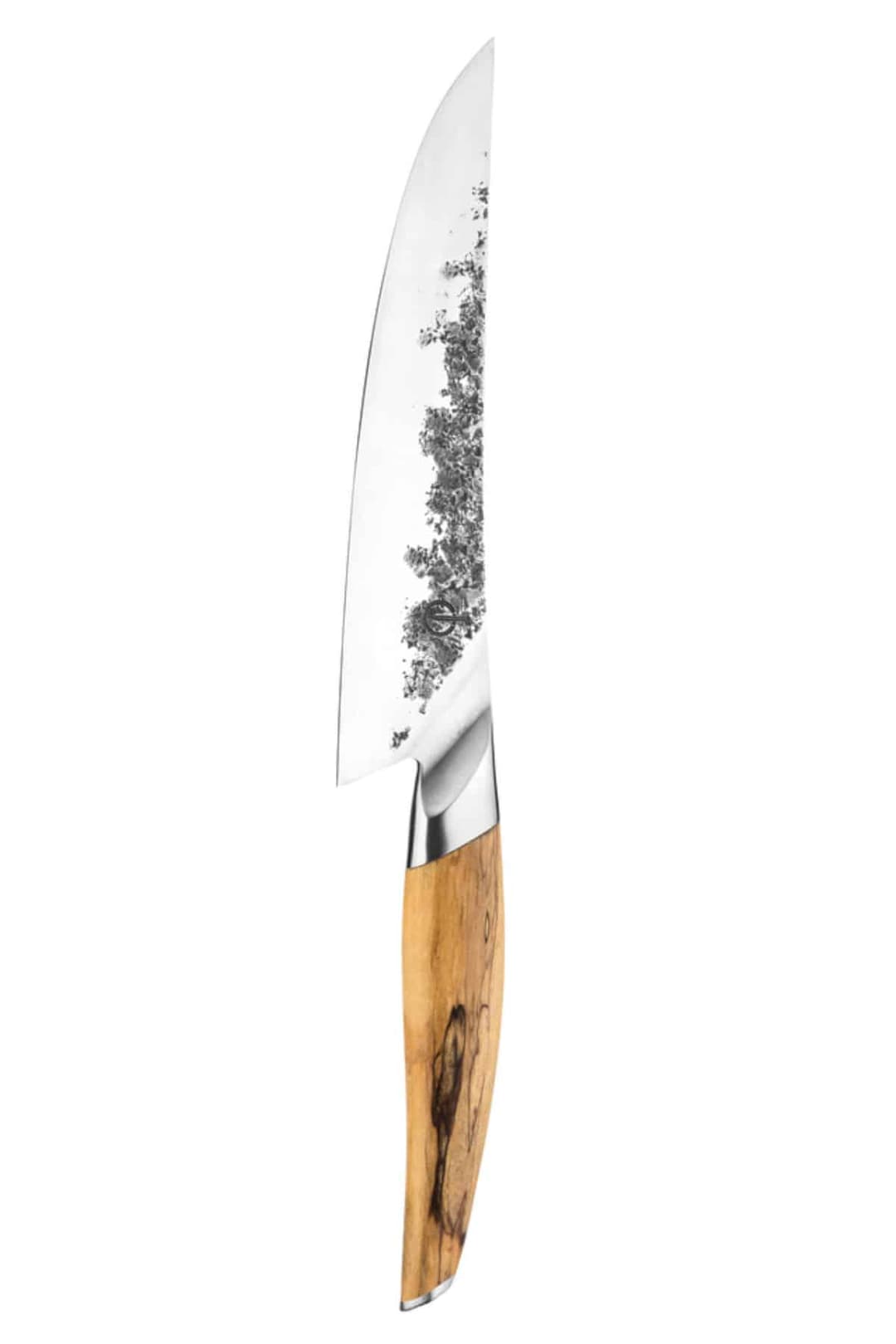
The rest of the range is at knives, including the Katai Forged chef's knife 20.5cm as a main knife alongside it. For serving and chopping boards, see knives and chopping boards.
Specs

Technical,
to the gram.

Product

  • SKU8720039620650
  • StockIn stock
  • BrandForged
Katai Forged - Bread Knife - 20.5 cm
8720039620650

Frequently asked questions

Can I also use this knife for vegetables?
It works excellently for tomatoes, cucumber and melon. For hard cutting work such as carrot or cabbage, a chef's knife with a smooth edge is preferable.
How do I sharpen a serrated blade?
Not in a regular sharpener. A serrated edge is sharpened per serration with a round sharpening rod, and only on the bevelled side. In practice that is rarely needed.
Why is 20.5cm handy for a bread knife?
A longer blade lets you cut a large loaf in one stroke. Shorter knives force you into several movements, and that is exactly where the cut goes crooked.
Can the knife go in the dishwasher?
Better not. Salt and heat affect the steel and the handle. A quick rinse, drying and storing separately keeps the knife in good condition for years.