Grill Bill
In this category

€100 off

Sign up for the newsletter
Smoking on a kamado: chunks, timing and air
Grill Bill
By Grill Bill
Published
22 December 2025

How do you smoke well on a kamado?

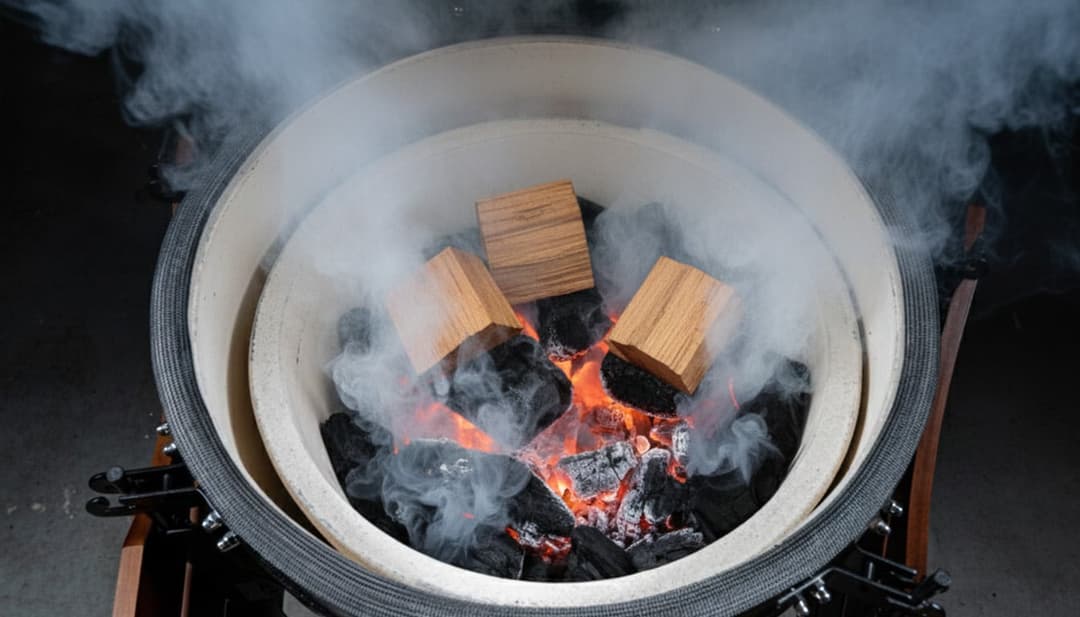
A kamado holds on to smoke, so you need far less smoking wood than on an open barbecue. Use chunks rather than chips, add them at the start of the session and keep the top vent open enough. Good smoke is thin and slightly blue; thick white smoke means too little oxygen and tastes bitter.

  • Chunks instead of chips: slower and more even
  • Add smoking wood at the start, not halfway through
  • Keep the top vent open so the smoke can move
  • Thin, slightly blue smoke is good smoke
  • On a kamado, less smoke often tastes better

Too much smoke, bitter flavours or restless temperatures are almost always down to the wrong timing and airflow. Smoking well on a kamado is not about a lot of smoke, but about controlled smoke.

In this article we explain how smoking on a kamado works technically, why chunks beat chips, when to add smoke and how airflow decides whether smoke improves or ruins your dish.

Why a kamado is ideal for smoking

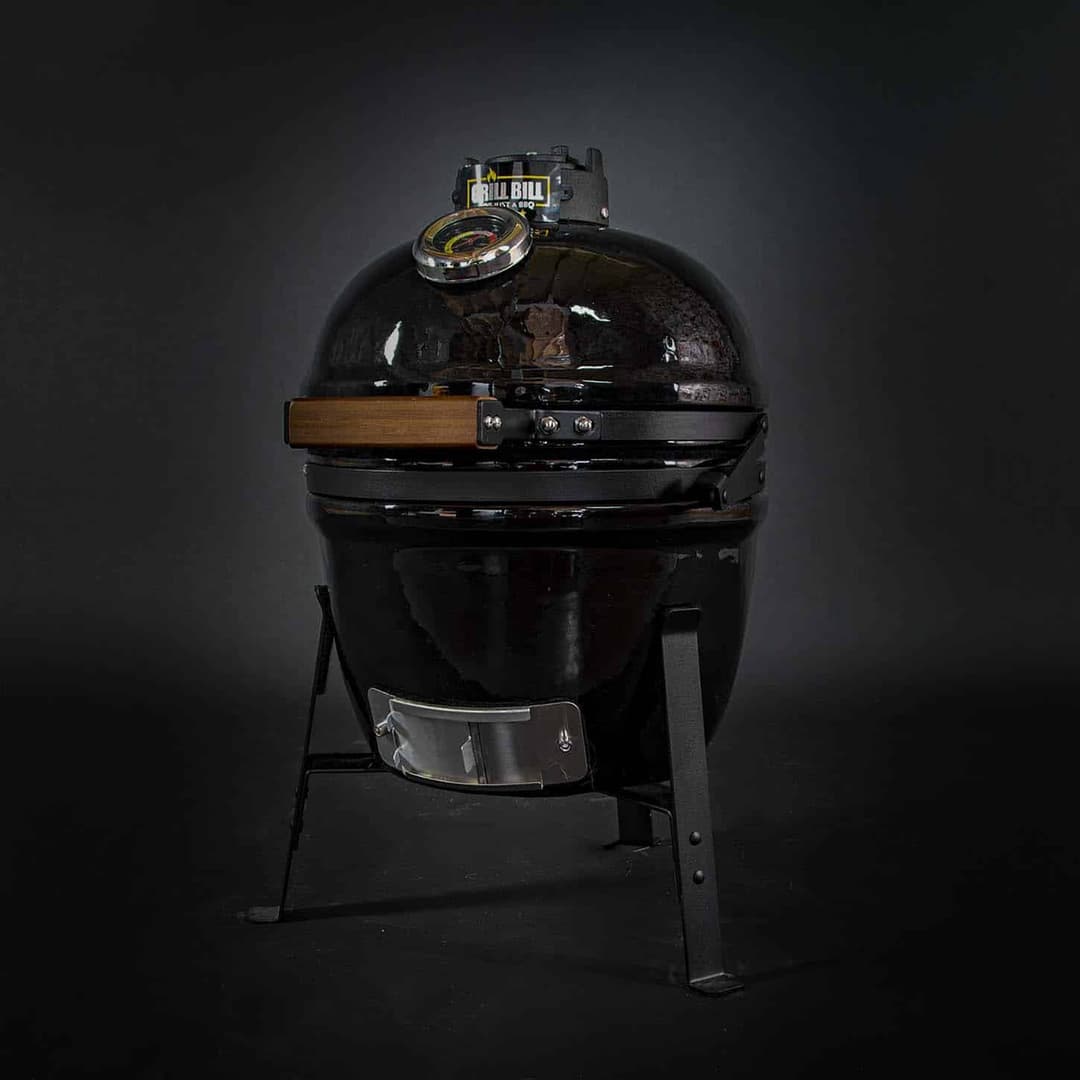
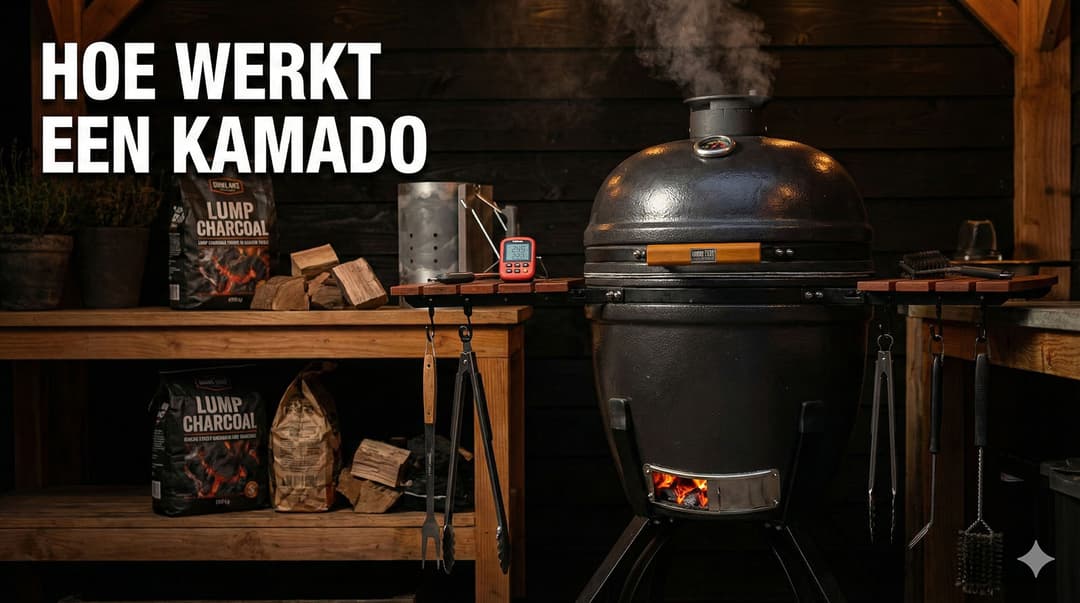
Thanks to its closed construction and ceramic mass, a kamado is perfectly suited to holding on to smoke. The smoke circulates together with the convection heat around the food instead of disappearing straight away, as it does on an open barbecue.

That means you need far less smoking wood to add flavour. More wood does not automatically mean more flavour, quite the opposite in fact.

The basis of this process lies in convection heat and airflow. Read more about that in What is convection heat in a kamado.

Chunks or chips, why chunks work better

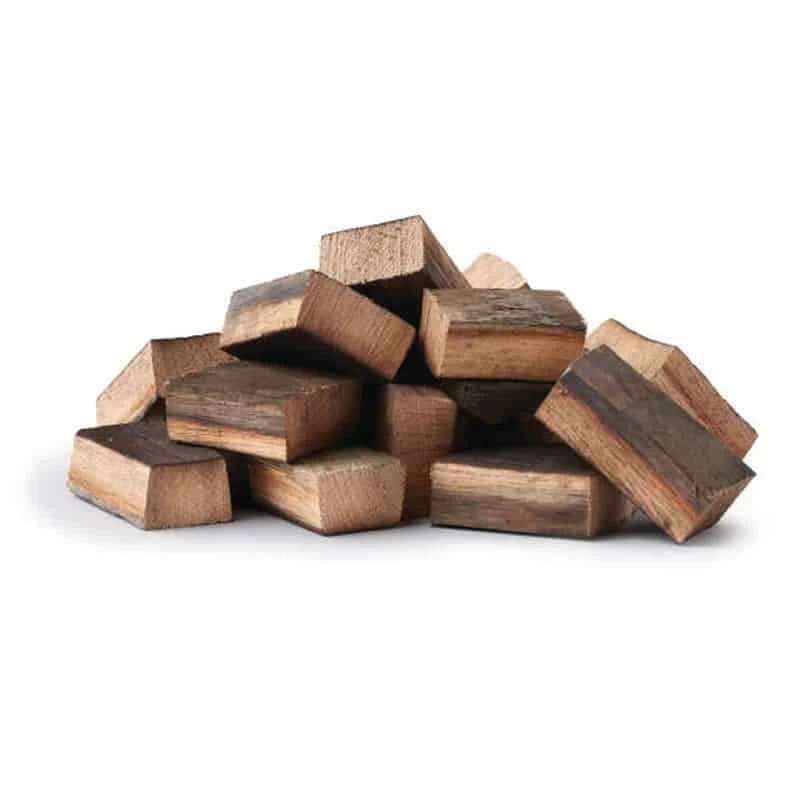
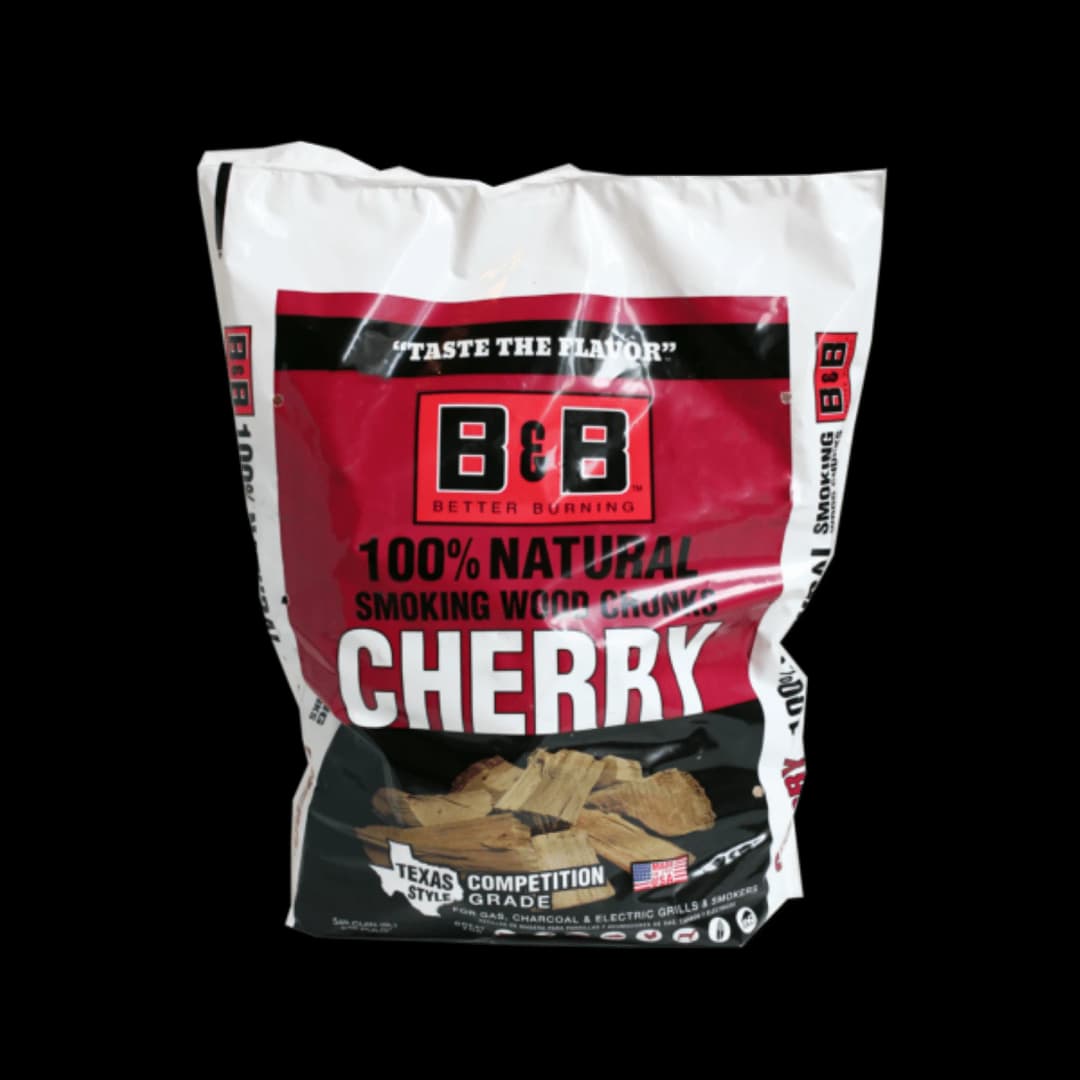
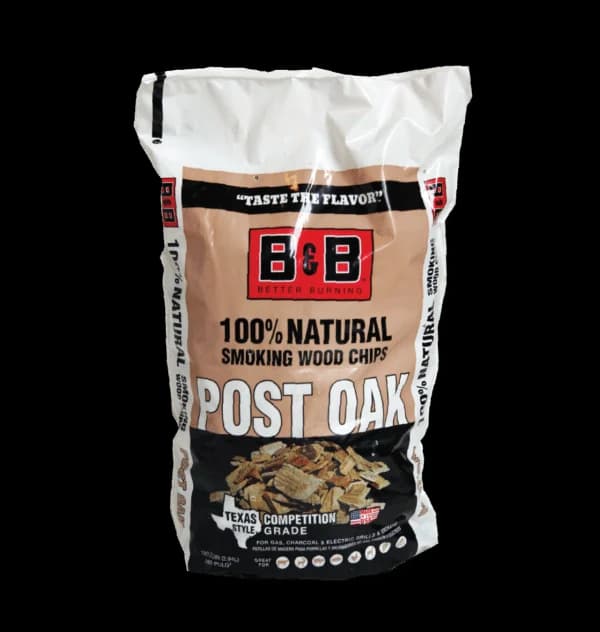
On a kamado, smoking chunks almost always work better than wood chips. Chunks burn slowly and evenly, whereas smoking chips catch fire quickly and produce a lot of smoke in a short time.

Because a kamado holds smoke in, a short burst of smoke is often already too much. Chunks release smoke gradually, which suits low & slow and indirect cooking much better.
When do you add smoking wood?

Timing is crucial when smoking. Smoke attaches itself mainly at the start of the cook, while the surface of the meat is still cool and moist. Later in the process it barely takes on any smoke at all.

That is why you add smoking wood at the beginning of the session. Adding more smoke later has little effect on flavour and increases the risk of bitterness.

You will see the same principle in Low & slow on a kamado.

The role of airflow when smoking

Good smoke is clean smoke. That means enough oxygen for a calm burn. Too little air gives thick, white smoke with a bitter taste. Too much air drives the fire up and shortens the smoking time.

The bottom vent controls how active the fire is, the top vent takes care of the exhaust. Smoke has to be able to move. Smoke that is trapped with nowhere to go settles on the food and creates unpleasant flavours.

You can read more about this in Airflow in a kamado explained.

Which smoke is good smoke?

Good smoke is thin and light in colour, often almost blue. It smells fresh and adds subtle flavour. Thick, grey or white smoke points to incomplete combustion and delivers bitterness.

If you see smoke that stings your eyes or smells sharp, the airflow is off. You need to adjust, usually by letting in a little more oxygen.

Common mistakes when smoking on a kamado

  • Using too much smoking wood
  • Adding smoke too late
  • Closing the top vent too far
  • Trapping the smoke instead of letting it circulate
  • Assuming visible smoke is always good

These mistakes usually come from misunderstanding airflow and combustion. You can read more about this in common kamado mistakes.

Why less smoke often tastes better

Because a kamado holds smoke so efficiently, you need less of it than on other barbecues. Subtle smoke lets the product speak, while too much masks the flavours.

Good smoke supports, it does not dominate. That is the difference between smoking as a technique and smoking as an effect.

FAQ

Can you smoke on a kamado?
Yes, a kamado is very well suited to smoking thanks to its closed construction and controlled airflow.
Do you use chips or chunks in a kamado?
Chunks work better because they release smoke slowly and suit the closed nature of a kamado.
When do you add smoking wood?
At the start of the cook, while the meat can still take on smoke.
Why does smoke sometimes taste bitter?
Because of too much smoking wood, poor combustion or insufficient airflow.
How do you recognise good smoke?
Good smoke is thin, light in colour and smells fresh, not sharp or acrid.
When chunks and when chips?
Chunks are mainly suited to longer low and slow smoking sessions, while chips work better for shorter sessions where you want smoke to develop immediately.
When do you soak wood chips in a liquid before smoking?

If you scatter them loose straight onto the glowing charcoal (on a charcoal barbecue): soaking them for about 30 minutes (up to an hour) beforehand stops them catching fire immediately and burning away too fast. That gives you time to put the meat or fish on and close the lid, so they smoulder properly and produce smoke instead of simply burning up.

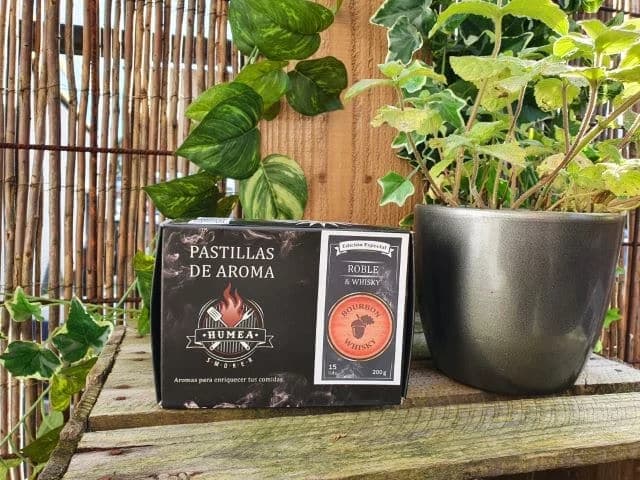
For an extra flavour infusion: you can soak them in beer, wine, whisky, apple juice or other liquids instead of just water. That can add a subtle extra note to the smoke (fruity or boozy, for example), but do let them drain well afterwards.

When is soaking unnecessary?

• If you use a smoker box, a foil parcel with holes in it or a smoke tube: that already limits the oxygen supply, so dry wood smoulders slowly without catching fire.
• With larger chunks (wood blocks): these burn more slowly anyway and barely absorb any moisture.
• Dry wood often gives cleaner, better smoke (thin blue smoke) without producing steam first. Wet wood creates water vapour first (which looks like smoke but adds no flavour), slows the smoking process down and can drop the temperature in your barbecue.

Only soak if you throw chips straight onto the charcoal without any accessory, or for experimental flavours. Otherwise use them dry for the best result. Experiment for yourself, because tastes differ.

Fire up

Eens per maand,
een real brief.

Recipes, drops and long essays about smoke. No noise, never resold.