Grill Bill
In this category

€100 off

Sign up for the newsletter
Direct cooking on a kamado: more than just grilling
Grill Bill
By Grill Bill
Published
22 December 2025

What is direct cooking on a kamado?

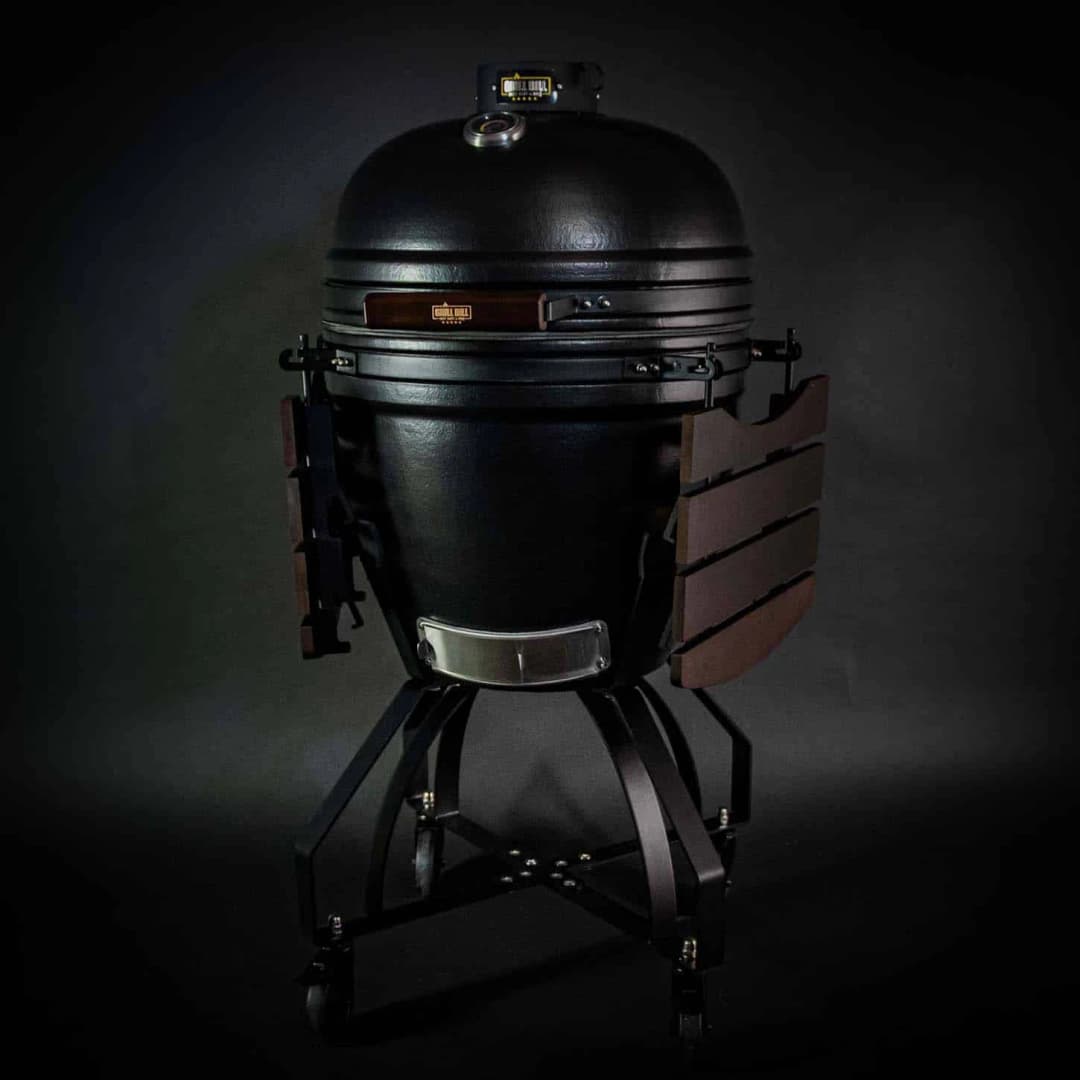
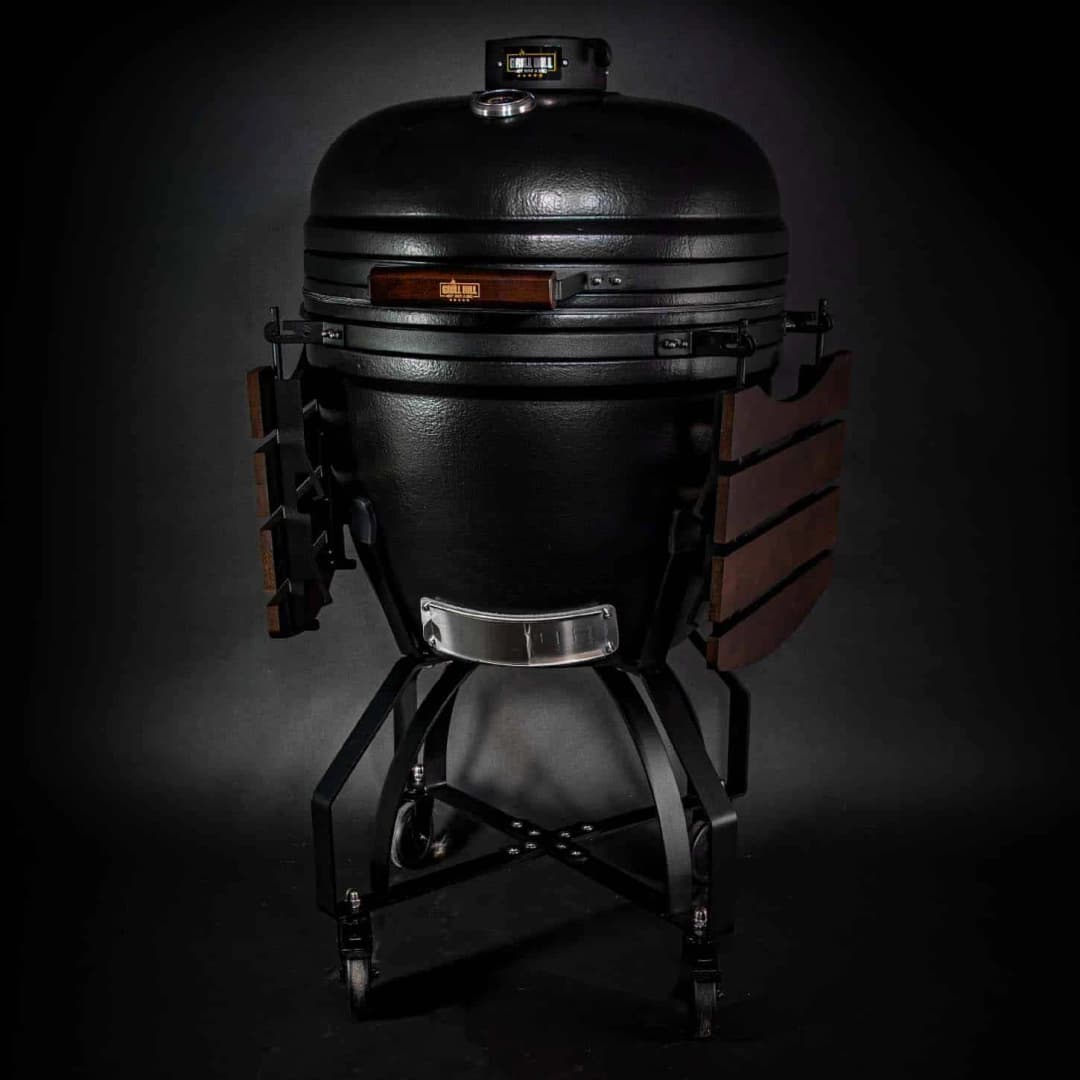
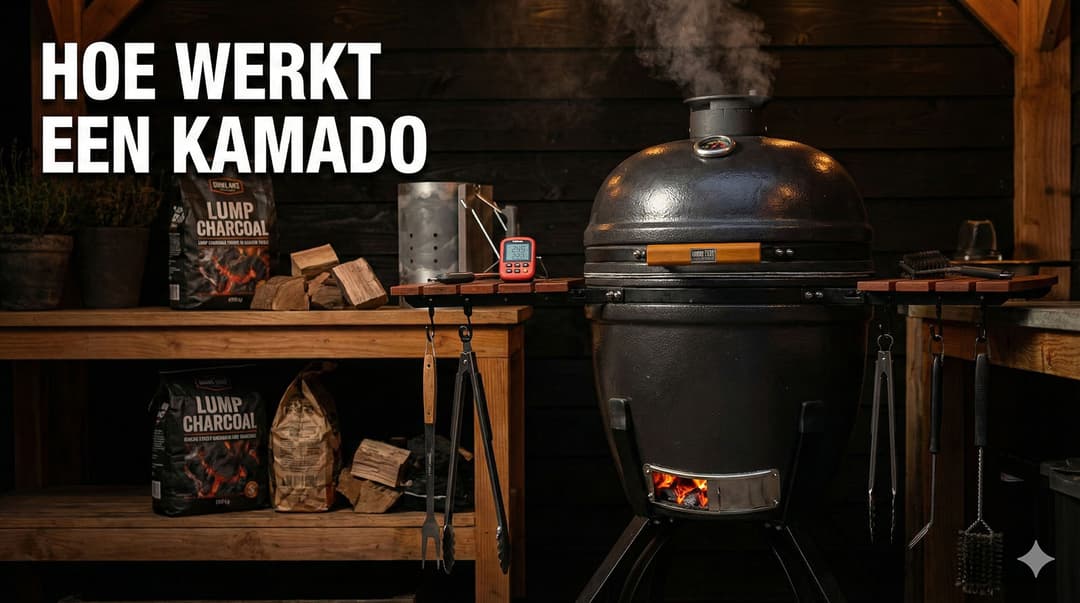
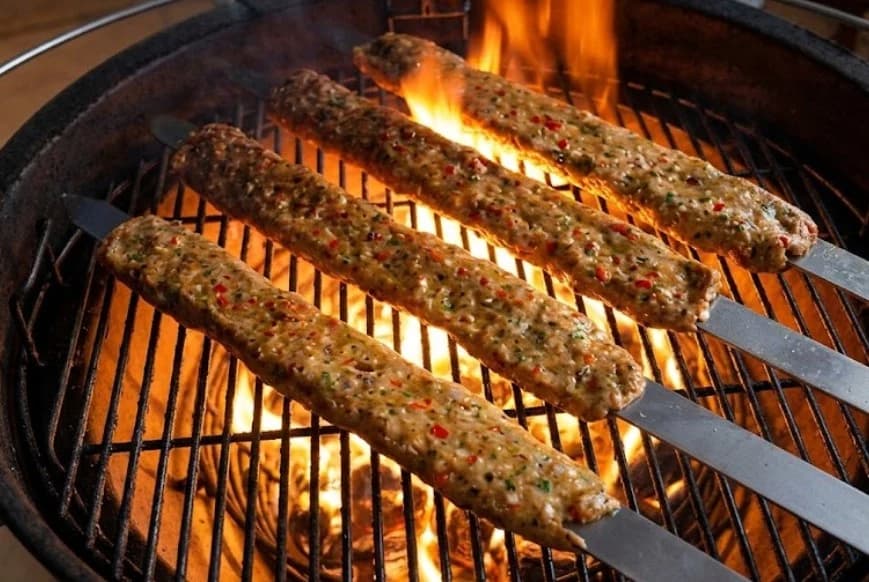
With direct cooking your food sits above the fire without a heat deflector, so the heat comes from below. On a kamado convection heat is added to that: the ceramic absorbs the heat and radiates it back evenly, which makes direct cooking calmer than on an open grill. Suited to steaks, burgers, fish and vegetables, and as the searing step in a reverse sear.

  • No heat deflector: the heat comes mainly from below
  • Ceramic adds convection heat and tames the fierce peaks
  • For steaks, burgers, fish fillets, shellfish and quick vegetables
  • The bottom vent drives the fire, the top vent stabilises the airflow
  • Also the searing step in a reverse sear

Because of the ceramic, convection heat and controlled airflow, direct cooking on a kamado works fundamentally differently from an open barbecue. Understand that and you get more control, better results and less burnt food.

In this article we explain exactly what direct cooking on a kamado is, when to use it and why it goes far beyond “hot and fast”. This technique is the basis for reverse sear and high heat grilling, among others.

What is direct cooking on a kamado?

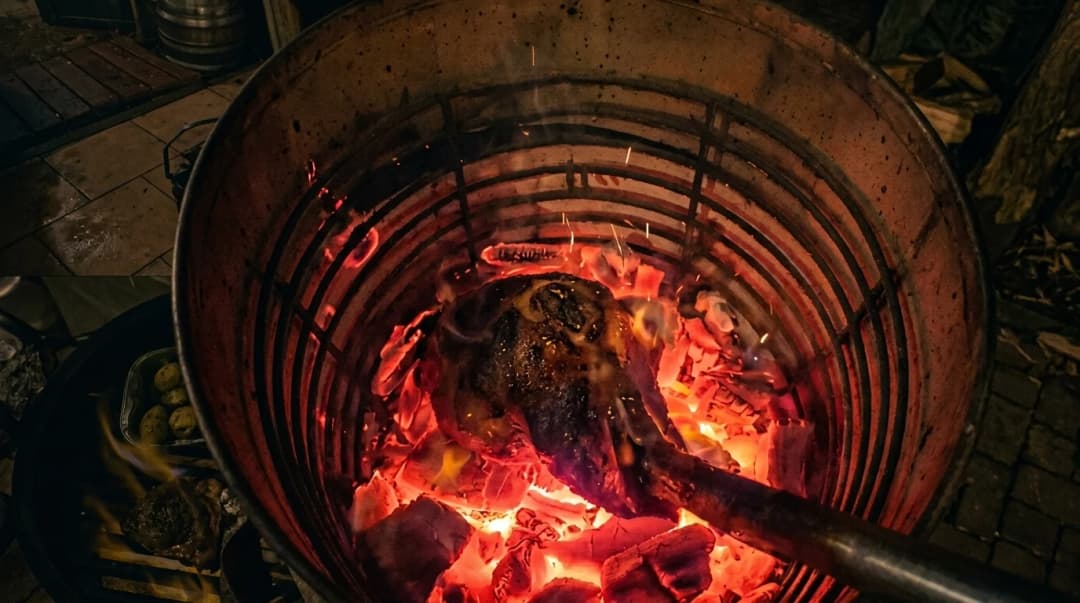
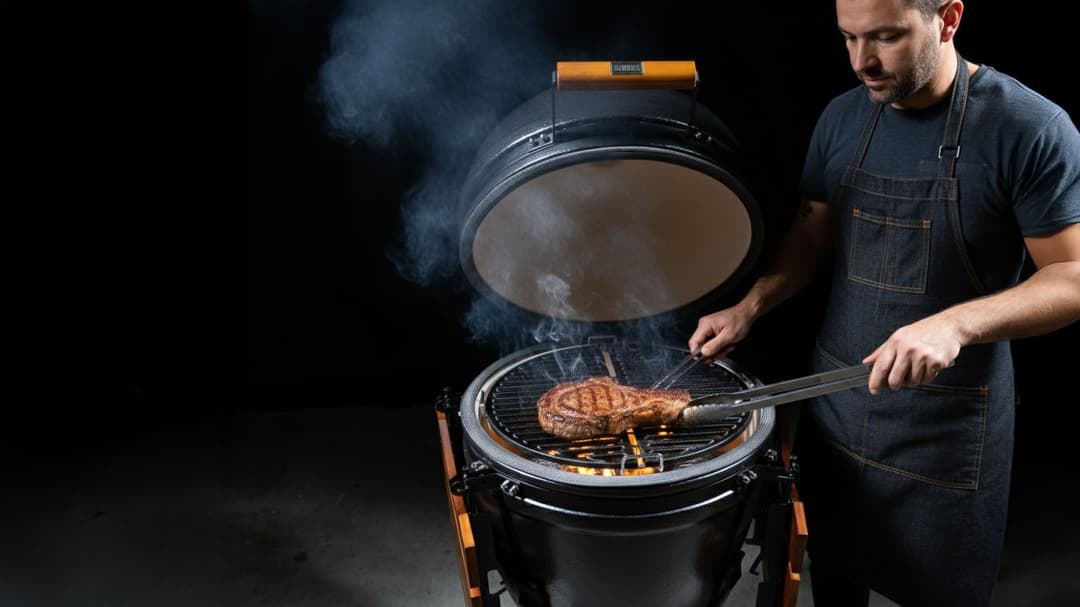
With direct cooking your food sits straight above the fire, with no heat deflector between coals and grate. The heat therefore comes mainly from below. Ideal for quick cooking: steaks, burgers, fish and vegetables.
Even so, direct cooking on a kamado is different from an open grill. Thanks to the ceramic and the closed body, heat doesn't just stay under the grate but circulates through the whole kamado. So alongside direct heat you also get convection heat.
If you want to understand that circulation first, read What is convection heat in a kamado?

Why direct cooking on a kamado is less aggressive

On an open barbecue, direct heat is often fierce and restless. Flames leap up and the temperature swings sharply. A kamado tames that behaviour. The ceramic absorbs heat and radiates it back evenly, so the heat becomes calmer and far easier to manage.

That means you're less likely to burn things, you have more control over colour and crust, and you can work over direct heat for longer without stress.

The role of airflow in direct cooking

Airflow stays in charge with direct cooking too. More oxygen means a more active fire and higher heat. Less oxygen calms the fire down. Because a kamado reacts slowly, it pays to think ahead rather than correct afterwards.

The basics don't change: the bottom vent drives the fire, the top vent stabilises the airflow. Small adjustments are more effective than big corrections.

Read more about this in Airflow in a kamado explained.

When do you choose direct cooking?

You use direct cooking when you want speed and high heat. Think of:

  • Steaks and burgers
  • Fish fillets, shellfish and crustaceans
  • Vegetables with a short cooking time
  • Quick snacks or side dishes

For larger or thicker cuts of meat, direct cooking is often only part of the process, for example combined with indirect cooking.

Direct cooking versus indirect cooking

The difference between direct and indirect cooking isn't only the heat source, it's control. Direct cooking is faster and more intense. Indirect cooking is calmer and more even.

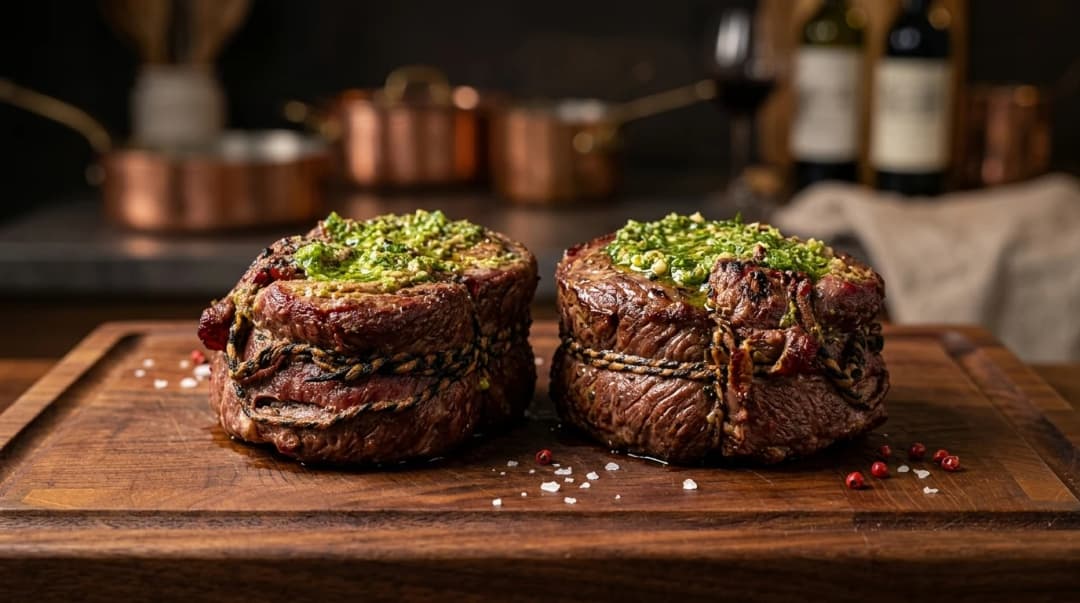
That's why many kamado owners combine the two: first cook indirectly to the right core temperature, then finish over direct heat for colour and flavour. We call that reverse sear.

Also read Direct and indirect cooking on the kamado.

Common mistakes with direct cooking

  • Running too hot without control
  • Turning or moving food too often
  • Constantly opening the lid
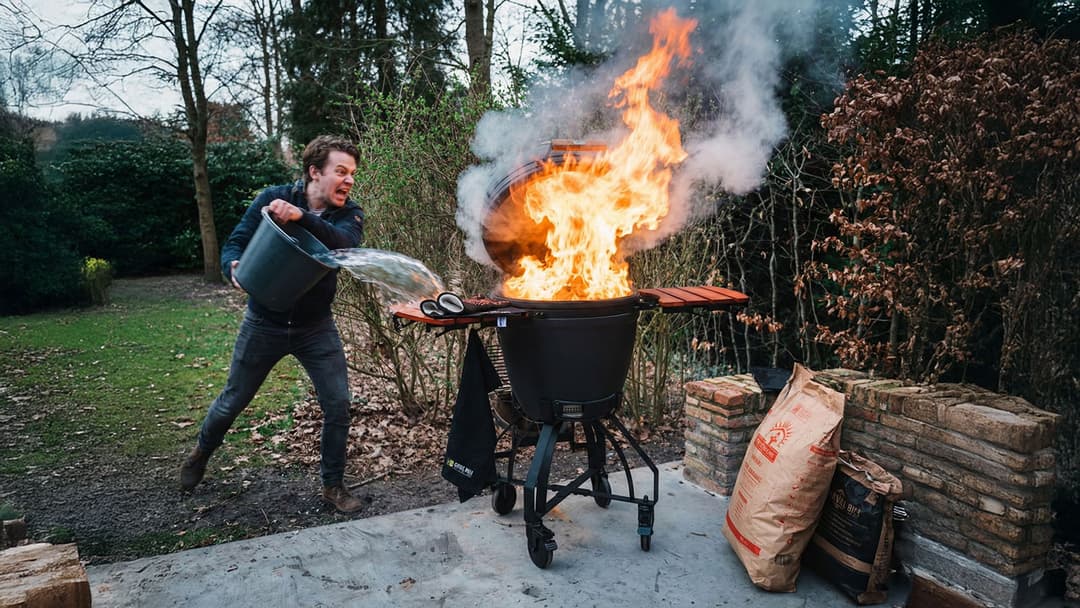
  • Setting the airflow too aggressively
  • Assuming direct cooking always has to be “flat out hot”

These mistakes lead to burning, drying out, or an unsettled fire. In common kamado mistakes we explain why this happens.

Why direct cooking is more technique than speed

Direct cooking on a kamado isn't about working as hot as possible, it's about command of the fire. The combination of direct heat and convection heat lets you steer colour, texture and juiciness precisely.

Master this technique and you'll notice that grilling becomes calmer and delivers more consistent results. That's the big difference between “grilling” and really cooking on a kamado.

FAQ

What is direct cooking on a kamado?
Direct cooking means cooking over an open fire without a heat deflector, where the heat comes straight from the coals and is topped up by convection heat.
Is direct cooking on a kamado different from a normal BBQ?
Yes. Thanks to the ceramic and convection heat, the heat is calmer and much easier to control than on an open grill.
Does direct cooking always need a high temperature?
No. Control matters more than maximum heat. Cooking too hot only increases the risk of burning.
When do you combine direct and indirect cooking?
With thicker cuts of meat, such as steaks, you often use indirect heat first and finish over direct heat.
Why does my food keep burning when cooking directly?
Usually because of too much airflow, opening the lid too often, or not having control over the fire.
Fire up

Eens per maand,
een real brief.

Recipes, drops and long essays about smoke. No noise, never resold.