Grill Bill
What is the best kamado for beginners?
Grill Bill
By Grill Bill
Published
8 December 2025

What is the best kamado for beginners?

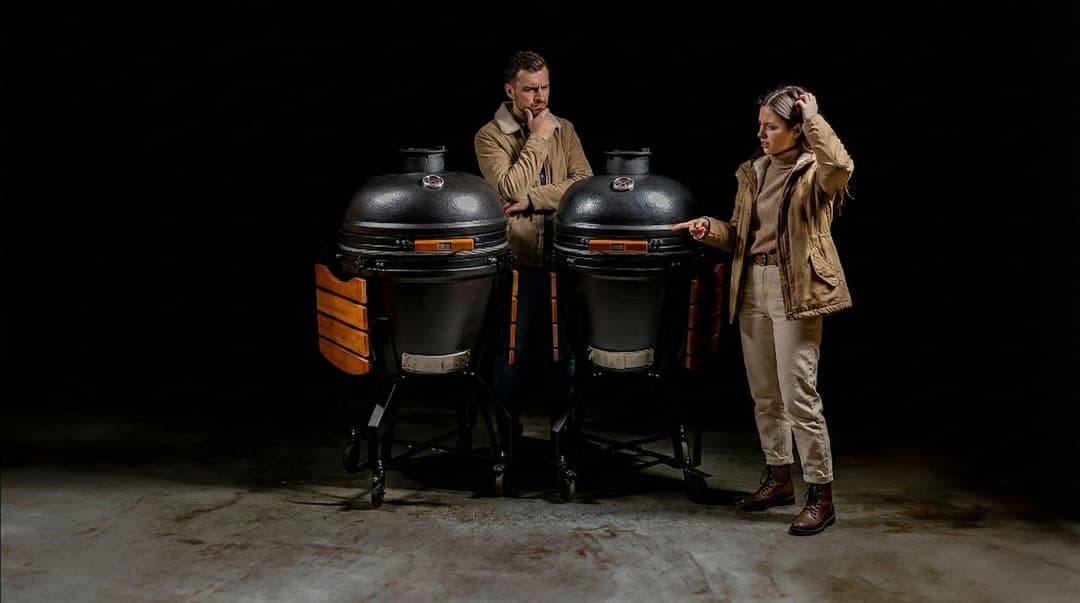
There is no best kamado for beginners, because they all work the same way. Thick ceramic holds the heat and two air vents control the temperature. That principle is identical across every brand. The difference is in how complete it arrives, how well it is finished and what it costs. So buy a kamado you find good-looking and can afford.
  • Every ceramic kamado works on the same principle
  • The difference is in finish, included accessories and price
  • A Large at 21 inches suits most households
  • Cheaper usually means less complete, not worse at cooking
  • Burning in before first use is mandatory with every brand

Why "which kamado" is the wrong question

Search for the best kamado for beginners and you get ten lists with ten different winners. Not because one cooks better than the other, but because there is little to win.

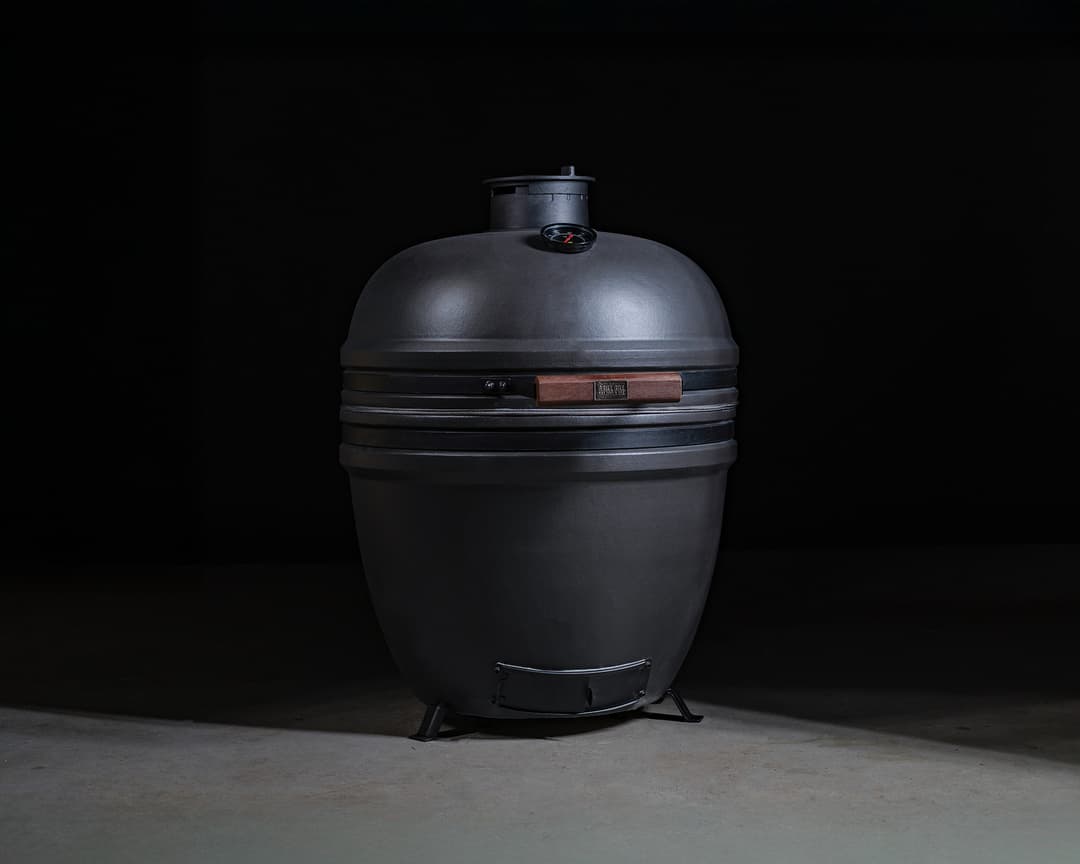
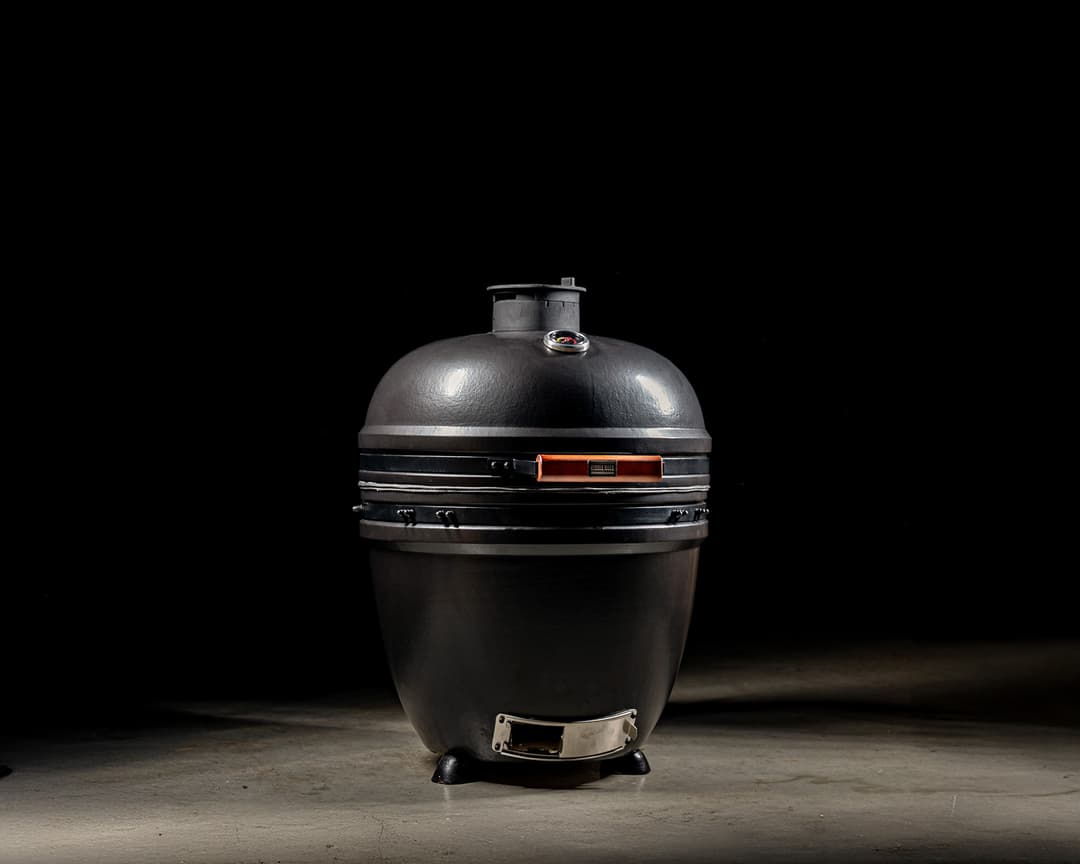
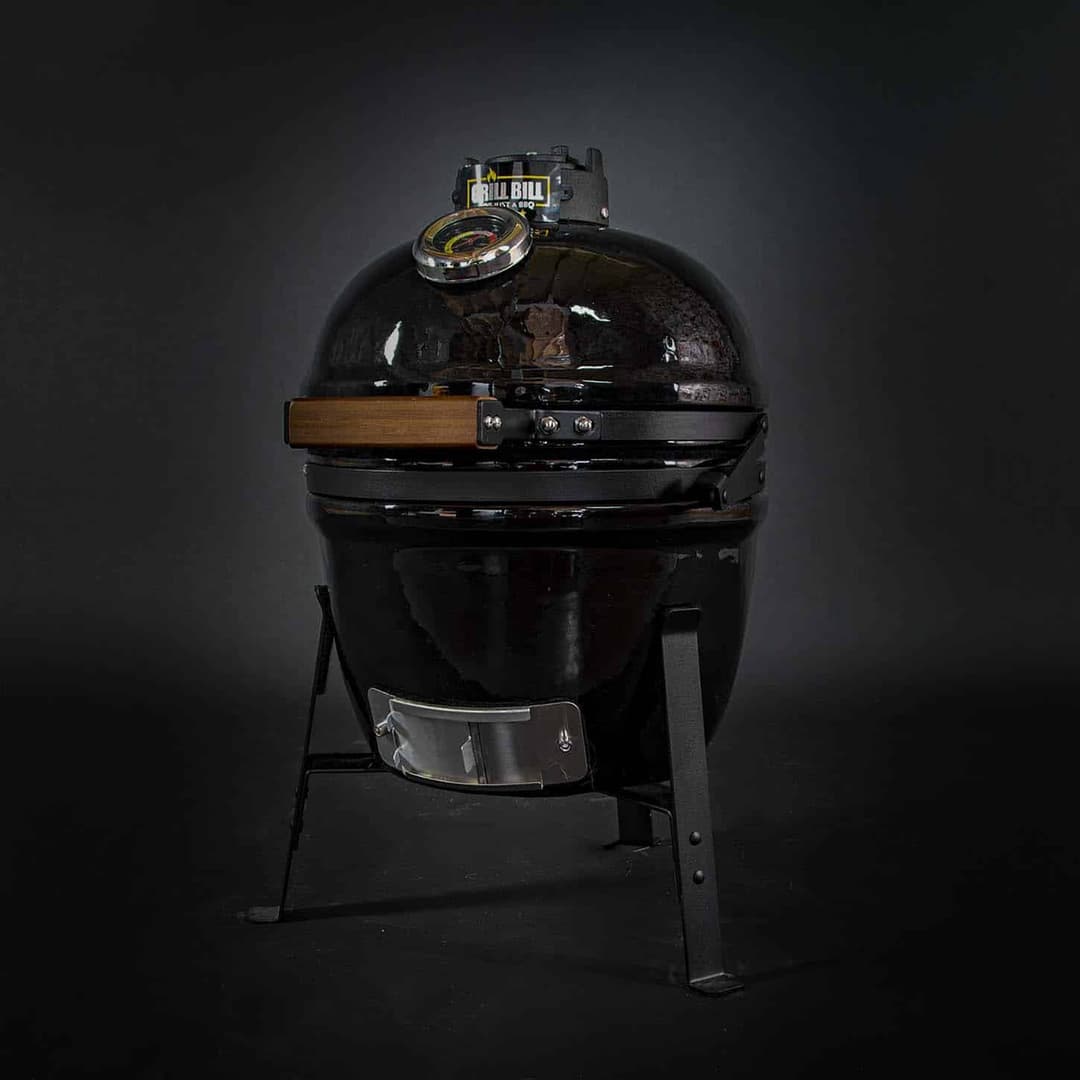
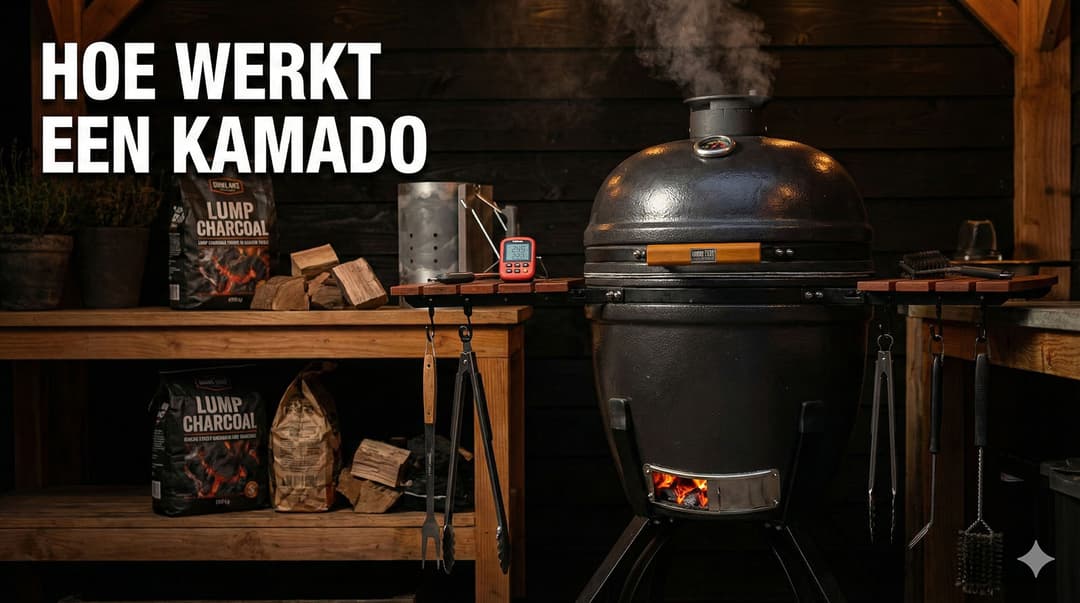
A kamado is a ceramic pot with a lid, an air vent at the bottom and a chimney vent on top. The ceramic stores heat and releases it evenly. The two vents decide how much oxygen gets in, and with it the temperature. That is the whole technique, and it works the same way on every brand.

What you cook on an 800 euro kamado, you cook on a 2,500 euro kamado. Same fire, same stability, the same low temperatures that hold for hours. Anyone claiming otherwise is selling something.

Where the difference actually is

Three things, and none of them is about cooking.

What comes with it. This is the biggest difference and it explains much of the price gap. A cheap kamado is often bare: ceramic, grate, base. A heat deflector, the shield you need for indirect cooking and low & slow, has to be bought separately. On pricier models it is in the box as standard, often together with a multi-level system and a sturdier base. So always add the accessories to the price of a bare kamado before you compare.

Finish. Thicker glaze that does not craze, gaskets that still seal after three seasons, a hinge that does not sag, hardwood instead of bamboo. You will not notice it in year one. You will in year five.

Design. You are allowed to weigh this. A kamado sits in your garden for years. If you do not like the look of it, that will not change. It is not a shallow argument, it is why people spend a bit more and never regret it.

What you get per price bracket

The amounts below are for a Large at 21 inches, the size most people end up with. They show where your money goes: not towards better cooking, but towards more equipment and a better finish.

Price brackets at a glance (Large, 21 inch)

2 of 2 models
Compare2 models
What you get
What to check
Around € 800
Ceramic, grate, base. Heat deflector often sold separately.
Add the accessories. Check the warranty on the firebox.
€ 1,000 to € 1,400
Complete set, heat deflector included, sturdier base.
The finish on the gasket and the hinge.
€ 1,400 to € 1,800
Multi-level system, hardwood, heavier trolley, matt glaze.
Whether you will actually use the multi-level system.
€ 1,800 and up
Brand name, dealer network, sometimes a lifetime ceramic warranty.
Whether the premium buys something you will use.

Want the brands side by side, with price, warranty and equipment per model? That is on kamado brands compared. Looking for it by goal, such as the lowest entry price or the most generous warranty terms, see best kamado 2026.

The best kamado for beginners is mostly the right size

On brand and price you can go by feel. On size you cannot, because it decides what you can cook.

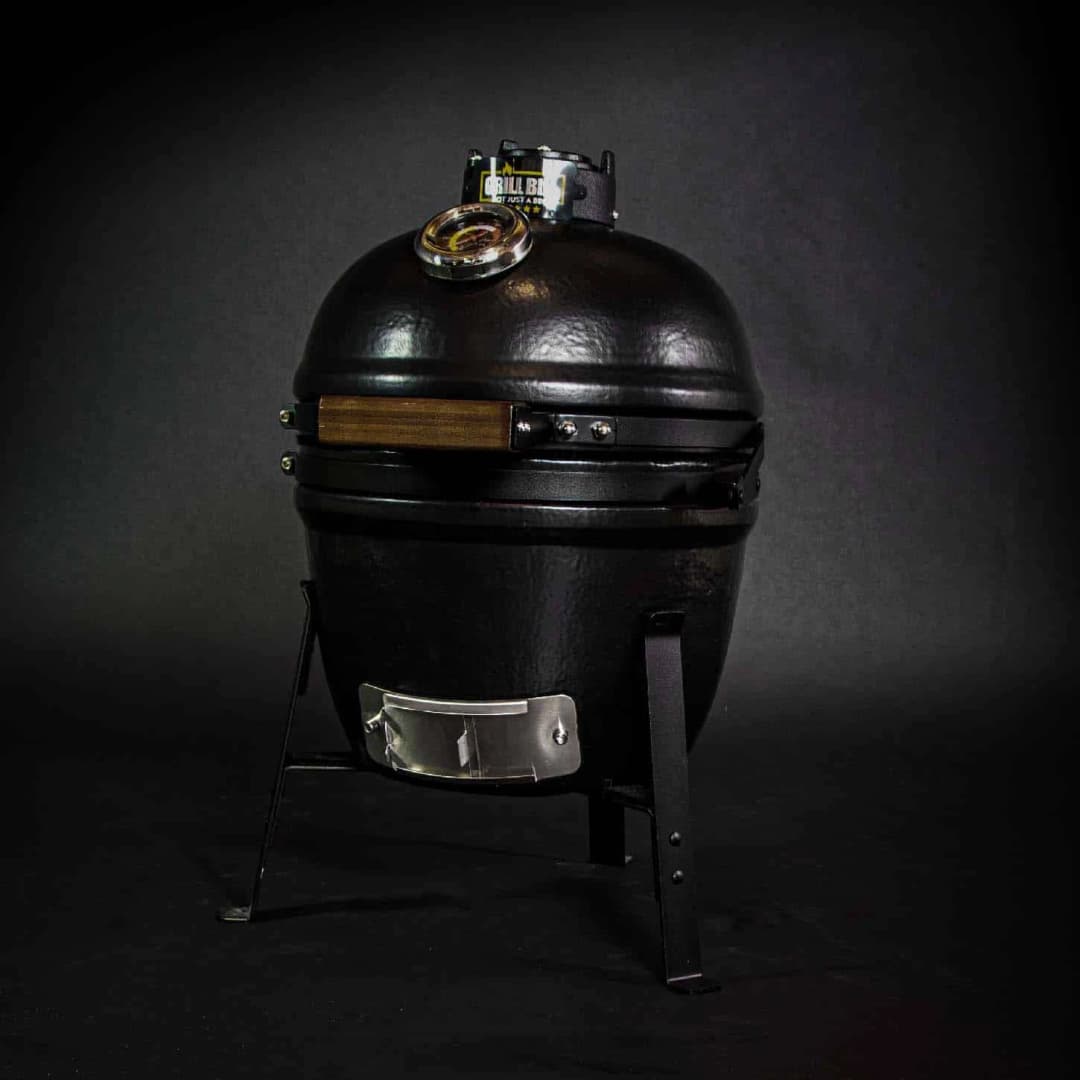
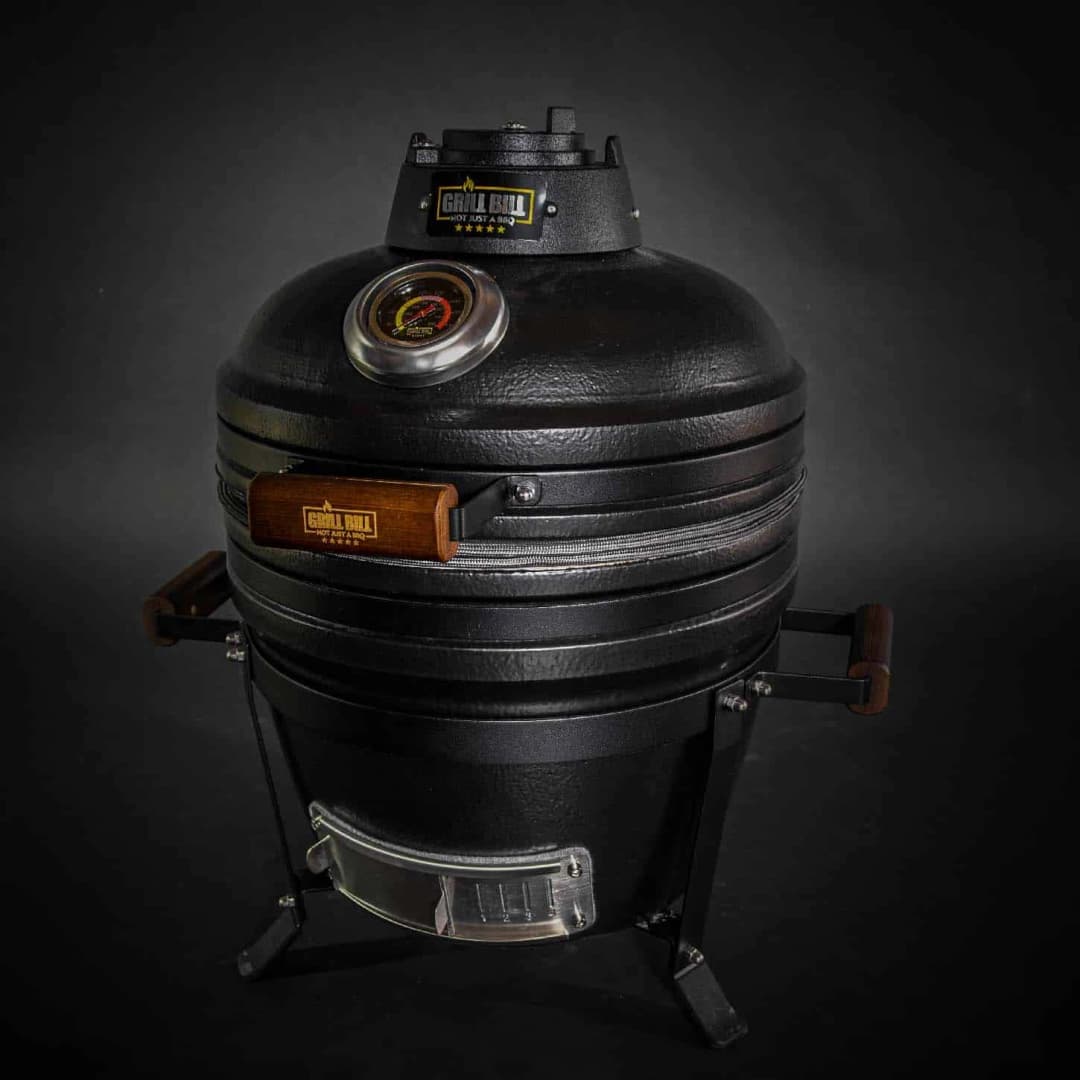
Most people end up with a Large at 21 inches. It takes a whole chicken, or four to six steaks, or a roasting tray. Small enough to fire up quickly on a weeknight, big enough not to run out of room when guests arrive.

A Medium at 16 inches is not worse, it is smaller. If you normally cook for two and rarely have more people at the table, it is enough. In doubt, take the Large: the price gap is modest and nobody has ever regretted having too much room.

More on this: which size kamado should I buy?

What you really need to know before your first session

Whether it works out is not decided by the brand you buy, but by whether you do these four things.

  1. Burn it in. Every brand, before the first session. Bring it up slowly so the ceramic and the gasket settle. Skip it and you risk cracks. See breaking in a kamado.
  2. Decent charcoal. Coarse lumps, little ash. Poor charcoal is the most common reason a temperature will not hold. See the best charcoal for your kamado.
  3. Do not overshoot your target temperature. A kamado barely cools down. Correct early, in small steps. See how to control the temperature.
  4. A heat deflector. Without that shield you can only grill directly. With it, your kamado becomes an oven. Check whether it is included.

Our advice, without the sales talk

Pick a size based on how many people you cook for. Then pick a kamado you find good-looking and can afford. Check whether the heat deflector is included and what the warranty on the ceramic is. That is it.

What we do differently: we sell direct, with no middlemen. That is why our Pro III Large costs € 1,499 and the Classic Large € 799, while comparably equipped brands ask considerably more. Does that make another brand at € 899 a bad choice? No. It is less complete and less well finished, and that shows in the price. Both kamados cook the same.

Read on: buying a kamado, where do you start? · the difference between cheap and expensive kamados · common kamado mistakes

FAQ

What is the best kamado for beginners?
They all work the same way, so technically there is no best one. Choose on size, budget and design. A Large at 21 inches suits most households.
Is a cheap kamado worse?
Not at cooking. It is in what comes with it and in the finish. Add the accessories to the price before comparing brands: a separate heat deflector easily costs around 44 euros.
What size do I need?
A Large at 21 inches for most households. A Medium at 16 inches if you almost always cook for two.
Do I need a lot of accessories?
No. A grate, a heat deflector and good charcoal. Buy the rest once you notice you are missing it.
Do I have to burn in my kamado first?
Yes, with every brand, before the first session. Burning in lets the ceramic and the gasket settle and prevents cracks.
Is a more expensive kamado worth the premium?
If you use the extra equipment and care about the finish, yes. For the cooking result, no.
Which brand should I choose?
That depends on your budget and your taste. Compare them yourself on price, included accessories and warranty terms on our comparison page.

More from the buying guide

This article is part of buying a kamado, chapter 1 of the kamado BBQ guide: size, model and the nine criteria.

Fire up

Eens per maand,
een real brief.

Recipes, drops and long essays about smoke. No noise, never resold.