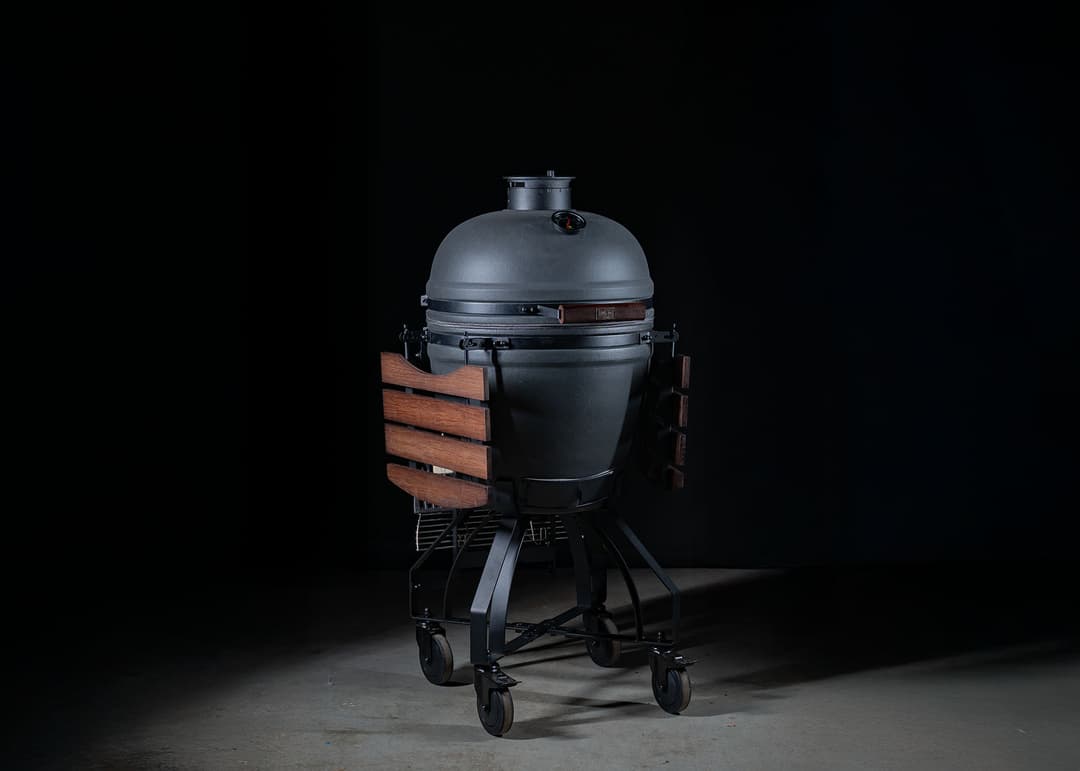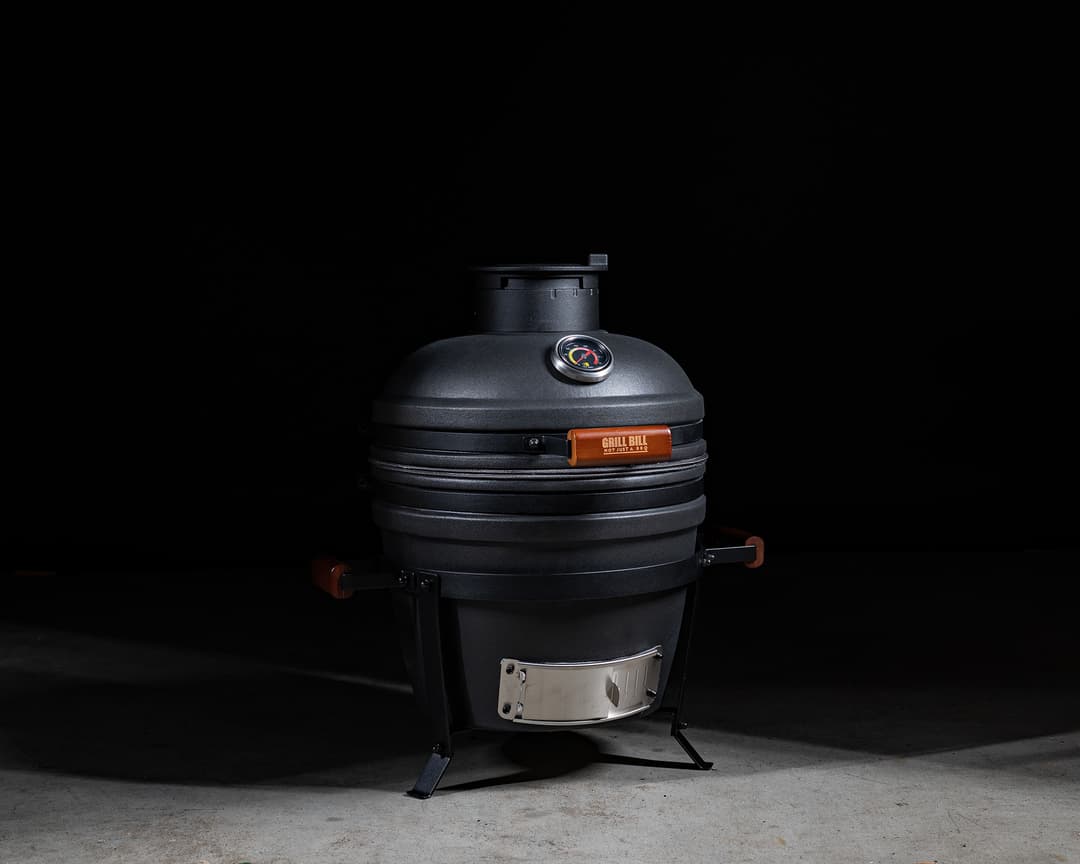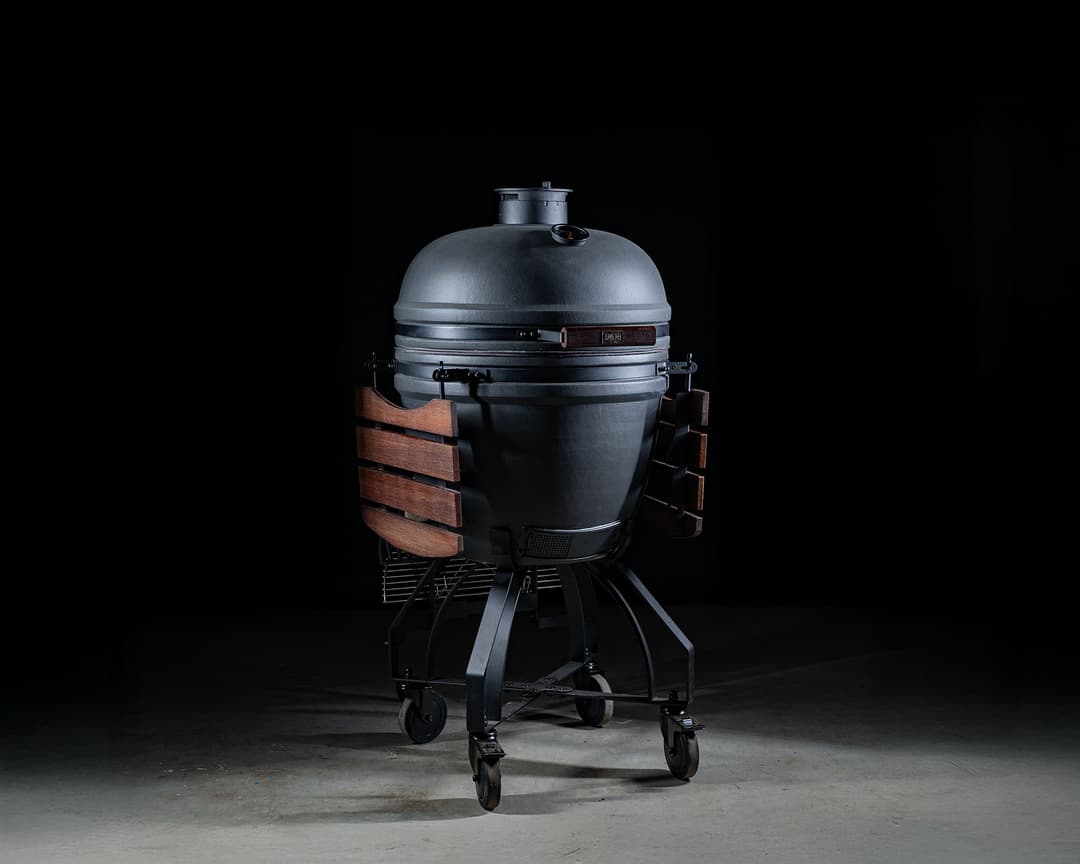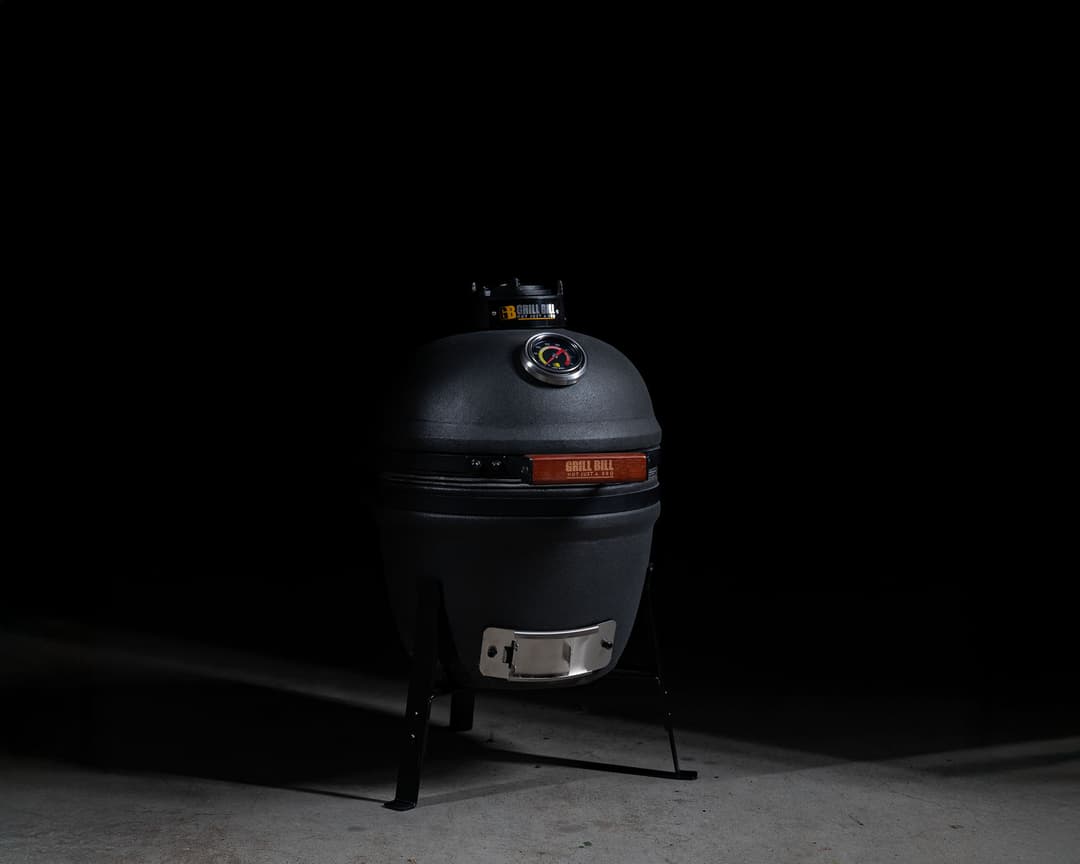
For a fair comparison it helps to look at The benefits of a kamado BBQ first, or to start at What is a kamado BBQ?.
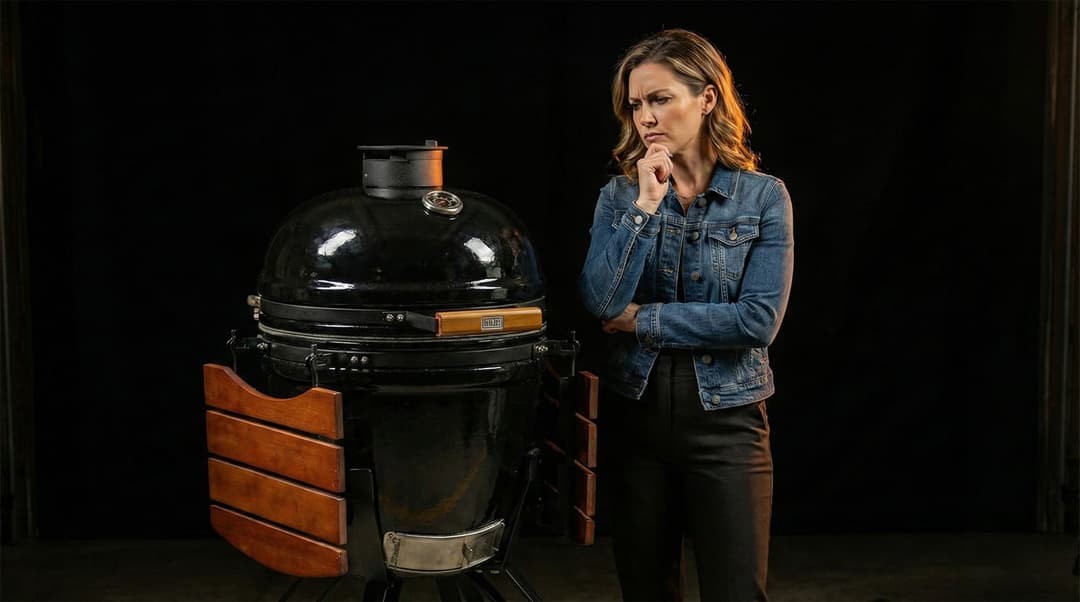
The drawbacks of a kamado BBQ

By Bobby
What are the drawbacks of a kamado BBQ?
The real drawbacks of a kamado are the heat-up time, the weight, the slow response to temperature changes and the purchase price. On top of that comes the risk of thermal shock if you fire it up too fast or leave moisture sitting in the ceramic. Heating up gently, a sturdy base and small airflow adjustments deal with most of that.
- Heating up takes 10 to 30 minutes, depending on your charcoal
- Tens of kilos of ceramic: you do not move it on a whim
- Steering the temperature down takes longer than up
- Can crack from thermal shock if you fire it up too fast
- Higher purchase price than a steel kettle BBQ
The price
The most commonly named drawback is the price, and rightly so: a ceramic kamado costs more than a steel kettle BBQ. If you want to barbecue for a hundred euros, a kamado is not where you land. There is no point talking that away.
What matters is what you get back for it and over how many years you spread it. Ceramic does not rust and does not wear out from heat, so the replacement cycle that steel appliances hit after about five years does not exist here. On the ceramic we give up to 20 years of warranty. Add the lower charcoal consumption and the fact that one appliance fills the role of grill, smoker and oven.
Within the range it also varies considerably. A Classic is the entry point, the Pro III is fully equipped. The ceramic is identical across all versions, you pay for sealing, glaze and equipment. What that means exactly is in Classic, Pro II or Pro III, and the full range is at Kamado BBQ.
The four drawbacks, worked out
A list of four words helps nobody. This is what each drawback means in practice and how heavily it weighs.
1. You cannot start on a whim. Heating up takes ten to fifteen minutes with soft charcoal and twenty-five to thirty with hard, and another ten minutes on top before the ceramic is heated through. Come home at six wanting to eat at quarter past, and that is a barrier every single time. This is the drawback people underestimate most often and end up weighing most heavily.
2. It stays where you put it. Ceramic weighs tens of kilos. Moving it takes two people, taking it to the beach is out, and a wobbly base is not an option. Decide before you buy where it will stand, because that is for years.
3. Steering down takes longer than up. Overshoot your target temperature and a few minutes of waiting will not fix it. The charged ceramic sheds its heat slowly, and that can take half an hour. Prevention beats correction here: start closing the sliders about 25 degrees before your target. More on that in How do you control the temperature in a kamado?.
4. Thermal shock is a real but avoidable risk. Ceramic can crack if it goes from cold to hot too quickly, especially when moisture has soaked into the wall. In normal use this is rare, but it is the only damage that genuinely puts your appliance out of action. New kamados therefore have to be broken in first, see Breaking in a kamado BBQ.
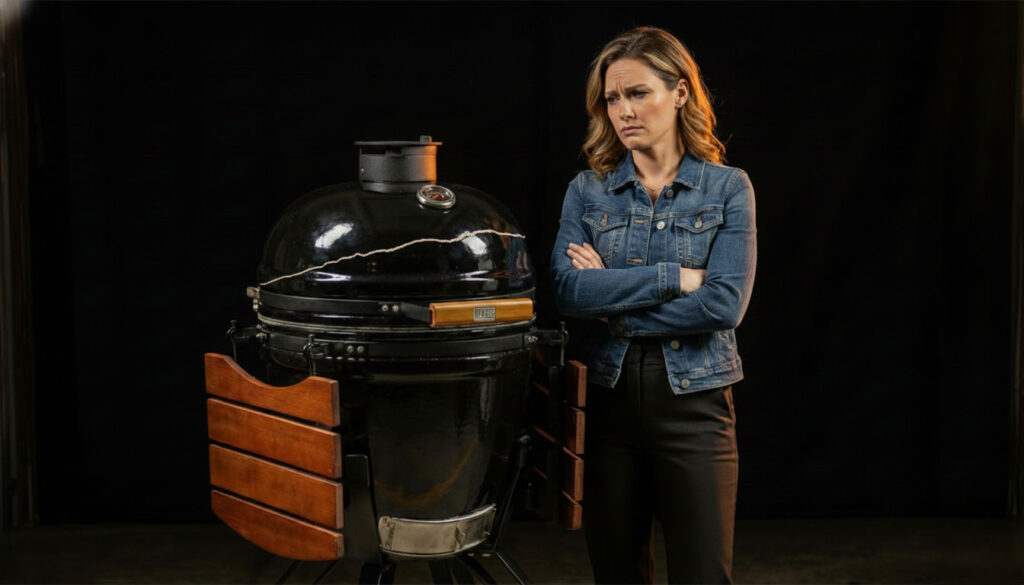
What weather and frost do to a kamado
This point is missing from most honest lists, while in northern European weather it is the most common cause of damage. The ceramic itself is frost-proof and does not mind rain, frost or sun. That is why a kamado can stay outside all year round.
The nuance is about moisture that does not belong there. Leave the kamado open and rain falls on the coals and into the fire bowl. If it then freezes, that water expands inside a wall that was not built for it, and the first time you light up you run a raised risk of thermal shock. That is not a material fault but a usage error, and it costs nothing to avoid: close the lid and the top vent when you are done.
What does genuinely suffer from weather are the parts that are not ceramic. The metal frame, the hinges, the band gasket and the wood of the side tables stand outdoors all year. Without a cover you will see rust patches and weathered wood after three or four seasons, while the ceramic still looks new. A cover is therefore not a luxury accessory but the difference between those two outcomes.
Beyond that the appliance deserves a service a few times a year: remove ash, degrease the grates and check the gasket. That is worked out in Kamado maintenance.
How to avoid these drawbacks
Three of the four drawbacks are characteristics you plan around. Only thermal shock is actual damage, and that is the easiest one to avoid.
- Always heat up gently. No lighter fluid, no burner that drives the ceramic to temperature in two minutes. If the kamado has stood outside for a long time, let the moisture evaporate at low temperature first.
- Put it on a sturdy base. Tens of kilos on unstable ground is the only other scenario in which ceramic breaks.
- Plan your heat-up time. If you know you are using hard charcoal, light it half an hour before you want to cook. That is not a solution, but it takes the frustration out.
- Steer in small steps. Start closing the sliders 25 degrees before your target and wait five to ten minutes before intervening again. That way you never end up waiting half an hour for it to cool.
- Use a cover. Not for the ceramic, but for the metal and the wood.
Keep to these five habits and in practice only the heat-up time and the weight remain as real drawbacks. The rest can be designed around. The full list of beginner mistakes is in My biggest kamado mistakes.
Where to read on
Put this next to Advantages of a kamado BBQ to weigh whether the trade-off works for you. If you want to understand why the appliance behaves this way, How does a kamado BBQ work? explains the slowness and the heat buffer, with the depth in What makes ceramic cooking different?.
Still unsure about buying, then the complete trade-off is in the buying guide. And if you have just got one, start at Breaking in a kamado BBQ: that is the single most important step to stay ahead of thermal shock.
Frequently asked questions about the drawbacks of a kamado
Can a kamado really crack?
Yes, but only from thermal shock: too fast a jump from cold to hot, usually combined with moisture that has soaked into the ceramic. In normal use it is rare. Heat up gently, break a new kamado in first and keep the lid closed when it stands outside, and the risk is negligible.
How long does heating up really take?
Ten to fifteen minutes with soft charcoal, twenty-five to thirty with hard. Add another ten minutes before the ceramic is heated through. This is the drawback you feel most often, because cooking on a whim is not on the table.
Is a kamado difficult for beginners?
No, rather the opposite. Because the ceramic damps out swings, the appliance corrects small mistakes largely by itself. The skill you have to learn is not adjusting but leaving it alone. See Kamado use for the basics and My biggest kamado mistakes for what to avoid.
What if I overshoot my target temperature?
Then you need patience, because steering down takes longer than up. Close the sliders further and wait: the charged ceramic sheds its heat slowly and that can cost half an hour. Prevention works better: start closing about 25 degrees before your target.
Can a kamado handle frost?
The ceramic can, it is frost-proof. Just make sure there is no rainwater standing in the fire bowl when it freezes, so keep the lid and top vent closed. Protect the metal parts and the wood from the weather with a cover.
Is a kamado more expensive to run than a regular BBQ?
No, cheaper. The purchase price is higher, but consumption is up to 50% lower and unburnt charcoal can be extinguished and reused. On top of that ceramic does not rust, so you do not have the replacement cycle of steel appliances.
Written by

Grill Bill specialises in ceramic kamado barbecues and shares knowledge about low & slow cooking, smoking, grilling and baking on the kamado.
Read onThree more
![Beenham van de kamado]()

Three more
from the archive.
Beenham van de kamado
Beenham roken en glazen op de kamado. Doelterm: beenham kamado (720) — concurrent staat hier op positie 1.
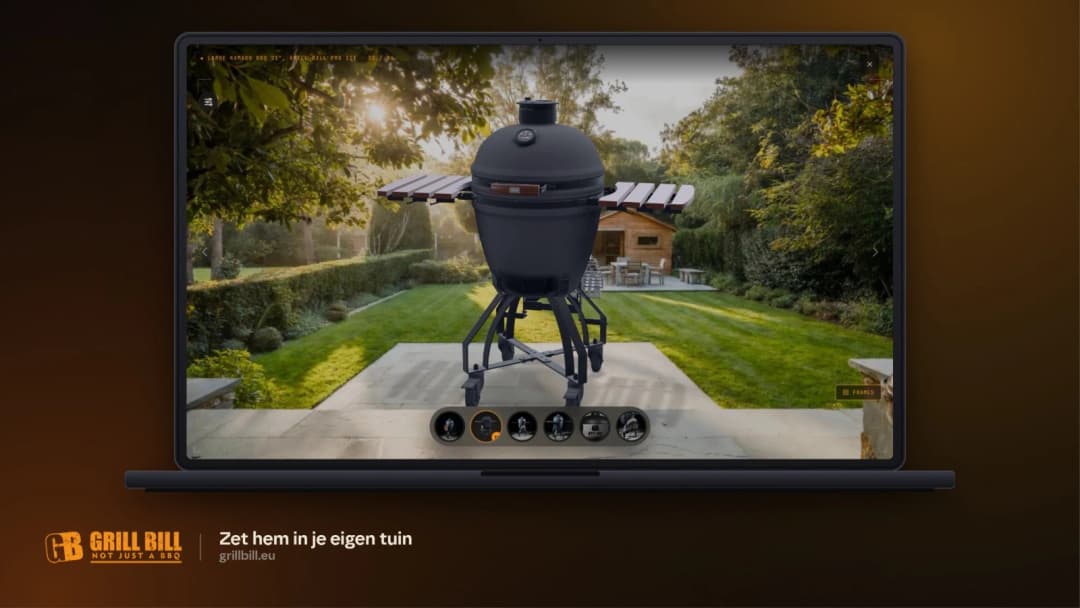
The new grillbill.eu: view your kamado in 3D and place it in your own garden
The new grillbill.eu is live. Spin the Pro III in 3D, place it in your own garden, compare every model side by side and learn to cook in the GB Academy.
Building a kamado in: table, outdoor kitchen or Solo
Cut-out dimensions per Grill Bill size, ventilation at the bottom, shielding timber and the choice between buying, having it built or making it yourself. Plus the Large and XL Solo without trolley.
Stook inOnce a month,
Once a month,
a echte letter.
Recipes, drops and long essays about smoke. No noise, never resold.