On this page you'll find what sets a kamado apart from a kettle BBQ, gas BBQ, pellet BBQ, plancha and offset smoker, so you can make a well-considered choice.
For a complete picture of what a kamado actually is, also read What is a kamado BBQ?
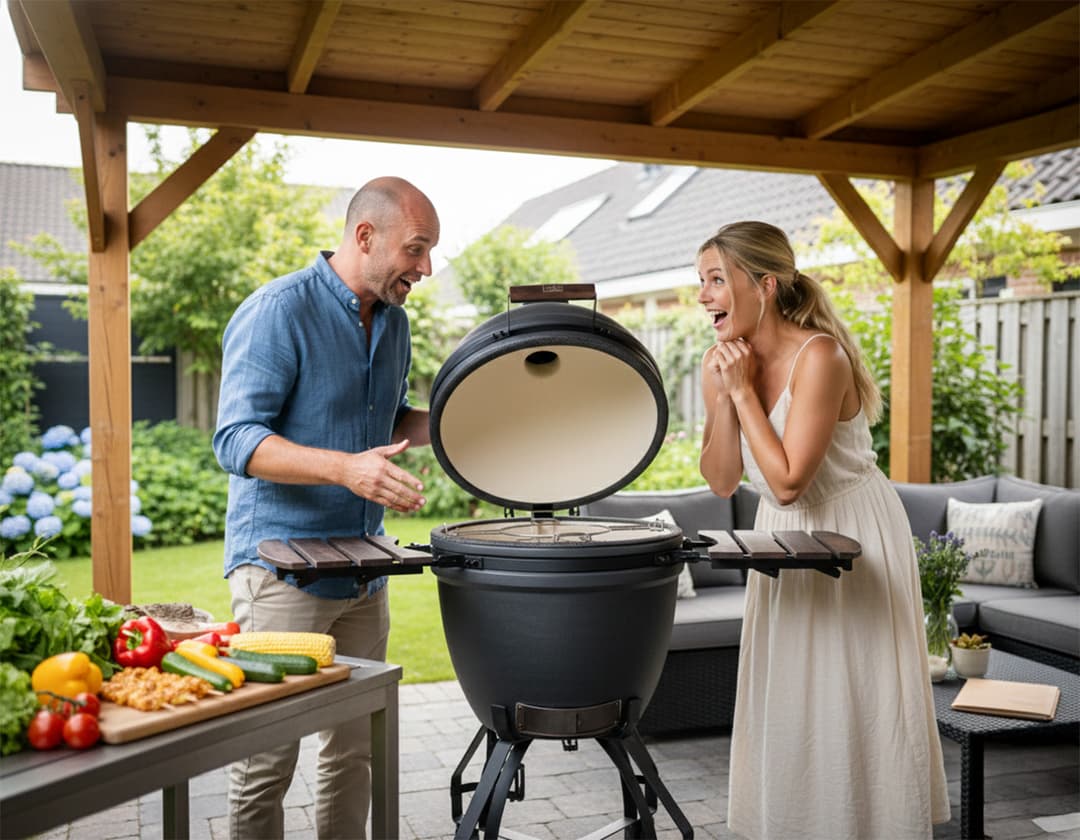

On this page you'll find what sets a kamado apart from a kettle BBQ, gas BBQ, pellet BBQ, plancha and offset smoker, so you can make a well-considered choice.
For a complete picture of what a kamado actually is, also read What is a kamado BBQ?
What makes a kamado so different from other barbecues? The answer lies in the combination of material, shape and airflow. Below are the eight advantages that make the biggest difference in practice.
The advantages above appear in every brochure. There is a second category you only notice once the appliance has stood in your garden for a year, and that is what ultimately decides how often you use it.
You keep cooking through the winter. A barbecue you put away in October goes unused for five months. A kamado stays outside all year and works just as well at five degrees as it does in July, because the ceramic barely notices the outside temperature.
Leftover charcoal carries over. Close both sliders when you are done and the fire goes out, leaving the unburnt charcoal where it is. You start the next session with a half-full basket. On an open barbecue everything burns until it is gone.
There is little to clean up. The ash collects at the bottom and comes out with an ash scoop now and then. You do not have to wash the ceramic: at the next high-temperature session any leftover fat burns off by itself.
Nothing rusts. That does not save you maintenance, but it does save the slow decline steel appliances show after three or four seasons. The metal parts do need attention, and The drawbacks of a kamado BBQ is honest about that.
Where these properties come from technically is worked out in How does a kamado BBQ work? and What makes ceramic cooking different?.
A lot of people pick a barbecue without really comparing. Below we put the kamado next to five popular alternatives, the kettle BBQ (such as Weber), the gas BBQ, the pellet BBQ, the plancha and the offset smoker, on the criteria that genuinely matter in practice.
The kamado wins on versatility, temperature stability and lifespan. A gas BBQ or plancha wins on convenience and speed. An offset smoker wins on pure smoke flavour, but demands far more knowledge and attention. Which type suits you best depends on what you want to cook and how much time you want to put in.
Experience from the field
From what we see across more than 6,000 Grill Bill kamados, people switching from a gas or kettle BBQ to a kamado are most surprised by two things: how little charcoal a kamado burns, and how juicy the meat stays thanks to the controlled humidity inside. Those are not marketing claims, that is what customers consistently tell us.
The kettle BBQ has been the standard for decades, and not without reason. Weber makes reliable, well-documented barbecues with a huge ecosystem of recipes and accessories. Even so, there are real differences with a kamado.
The biggest one: heat retention. Steel cools down fast when you open the lid or the wind picks up. On a kamado almost nothing changes, because the ceramic acts as a thermal buffer. In practice that means less adjusting, less fuel and more consistent results. For low & slow cooks like pulled pork or brisket the difference is enormous: on one full basket of hard charcoal a kamado holds a steady 110 °C for up to 24 hours without you having to touch the airflow.
A gas BBQ wins on one point: ease of use. Turn the knob, preheat for two minutes and you are cooking. For weeknights, quick sausages or a simple meal that is appealing. But a gas BBQ has one fundamental drawback: there is no smoke flavour. Gas burns clean, so the characteristic barbecue taste is missing. A gas BBQ also rarely reaches the extreme temperatures a kamado hits for baking pizza or high-heat searing.
A pellet BBQ is an excellent machine if you want to smoke and cook low & slow automatically without much attention. The digital temperature control does the adjusting for you. The downside: a pellet BBQ needs mains power, and pellets cost more than charcoal. On top of that, pellet BBQs struggle to reach the high temperatures above 300 °C that a kamado manages effortlessly. On versatility the pellet BBQ loses to a kamado.
A plancha, a flat cast iron or steel griddle plate, is ideal for vegetables, fish, shellfish and thin cuts of meat. Its even conducted heat behaves differently from the radiant heat of a grill. But a plancha is fundamentally a one-dimensional appliance: you cannot smoke on it, cannot cook low & slow and cannot create a closed cooking environment. As a companion to a kamado a plancha is interesting, as a replacement it falls short.
An offset smoker is the BBQ purist's tool. The smoke chamber sits beside the fire, so the meat cooks indirectly and slowly in a continuous stream of smoke. The results can be impressive, but it demands plenty of knowledge, hours of attention and a constant supply of wood. A kamado does the same job with a fraction of the effort and fuel. For most home cooks, including the serious ones, a kamado strikes the better balance between result and time invested. Want to know more about smoking techniques on a kamado? There are more of them than people expect.
Yes, and the reason is exactly that stability. A kamado forgives mistakes better than a kettle BBQ or offset smoker, because the ceramic damps out temperature swings. Open the airflow slightly too far and the effect arrives more slowly than on a steel barbecue. That gives you more time to correct.
The learning curve is not in operating the barbecue itself, but in understanding airflow and heat zones. Once that clicks, and most beginners get there within two or three sessions, a whole range of possibilities opens up. Want to start with practical tips? Read the beginner's guide to buying a kamado or browse all kamado user tips.
If you want to know where these benefits come from technically, How does a kamado BBQ work? explains the airflow and the heat buffer, with the depth on convection in What makes ceramic cooking different?. For the other side of the story, The drawbacks of a kamado BBQ belongs alongside it: that one is honest about heat-up time, weight and price.
If you are facing the purchase, size mostly determines what you can do comfortably later on, and that is in Which size kamado should I buy?. The complete trade-off is in the buying guide, and which fuel suits it in Which charcoal suits your kamado best?.

Grill Bill specialises in ceramic kamado barbecues and shares knowledge about low & slow cooking, smoking, grilling and baking on the kamado.
Beenham roken en glazen op de kamado. Doelterm: beenham kamado (720) — concurrent staat hier op positie 1.
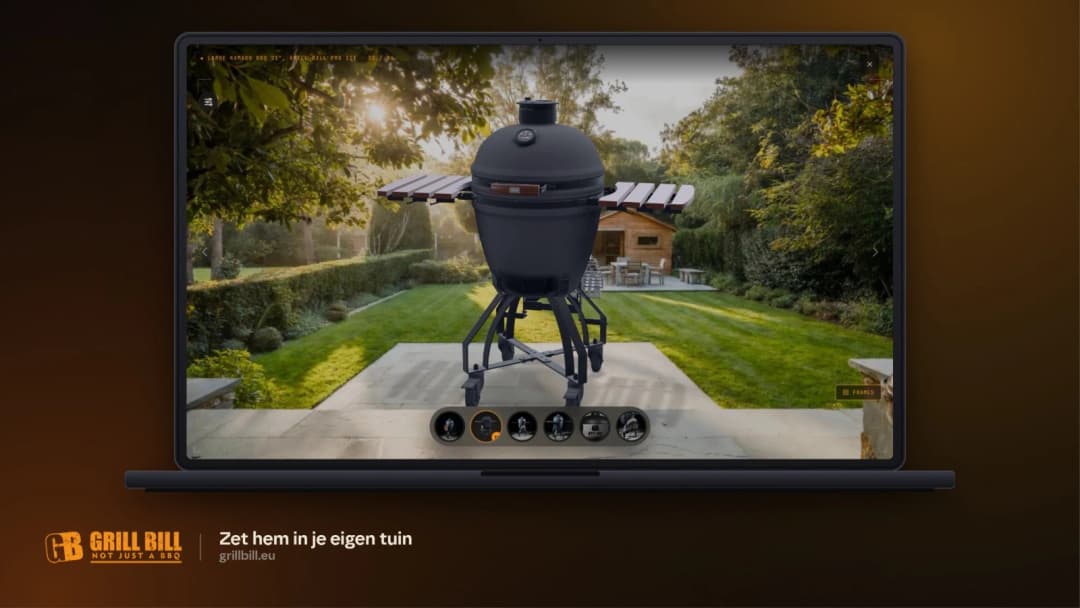
The new grillbill.eu is live. Spin the Pro III in 3D, place it in your own garden, compare every model side by side and learn to cook in the GB Academy.
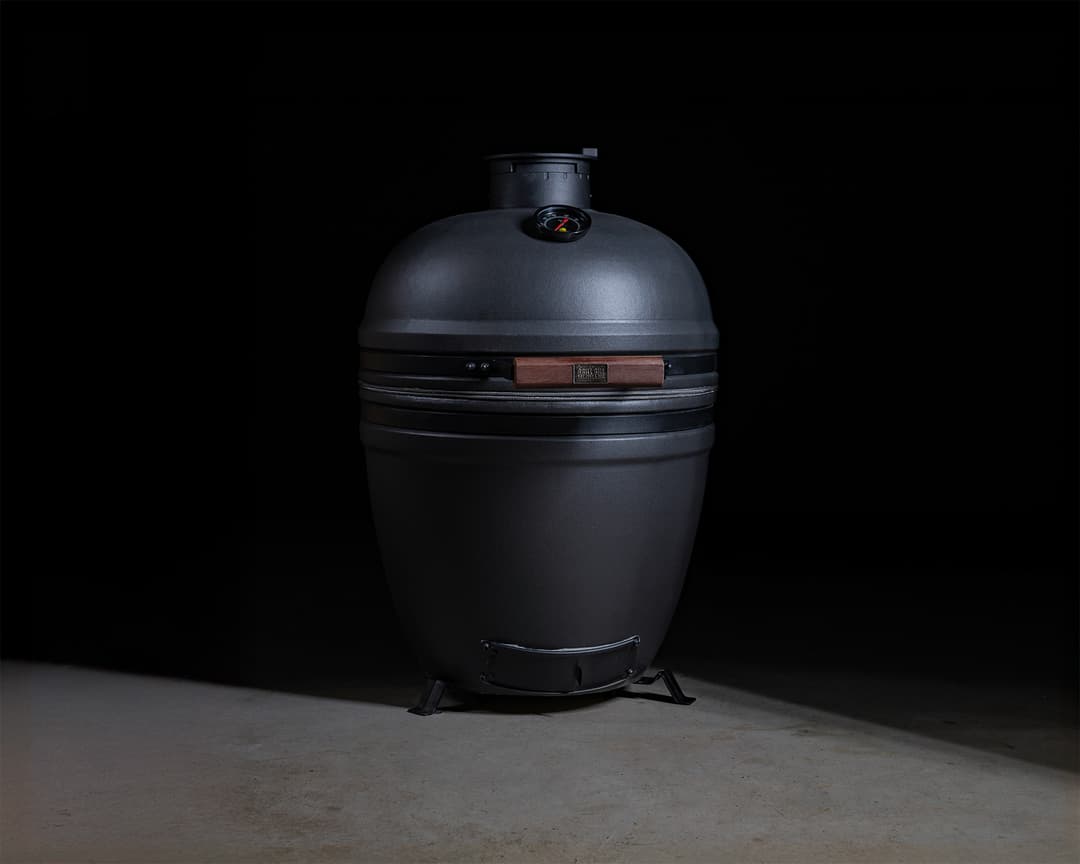
Cut-out dimensions per Grill Bill size, ventilation at the bottom, shielding timber and the choice between buying, having it built or making it yourself. Plus the Large and XL Solo without trolley.
Recipes, drops and long essays about smoke. No noise, never resold.
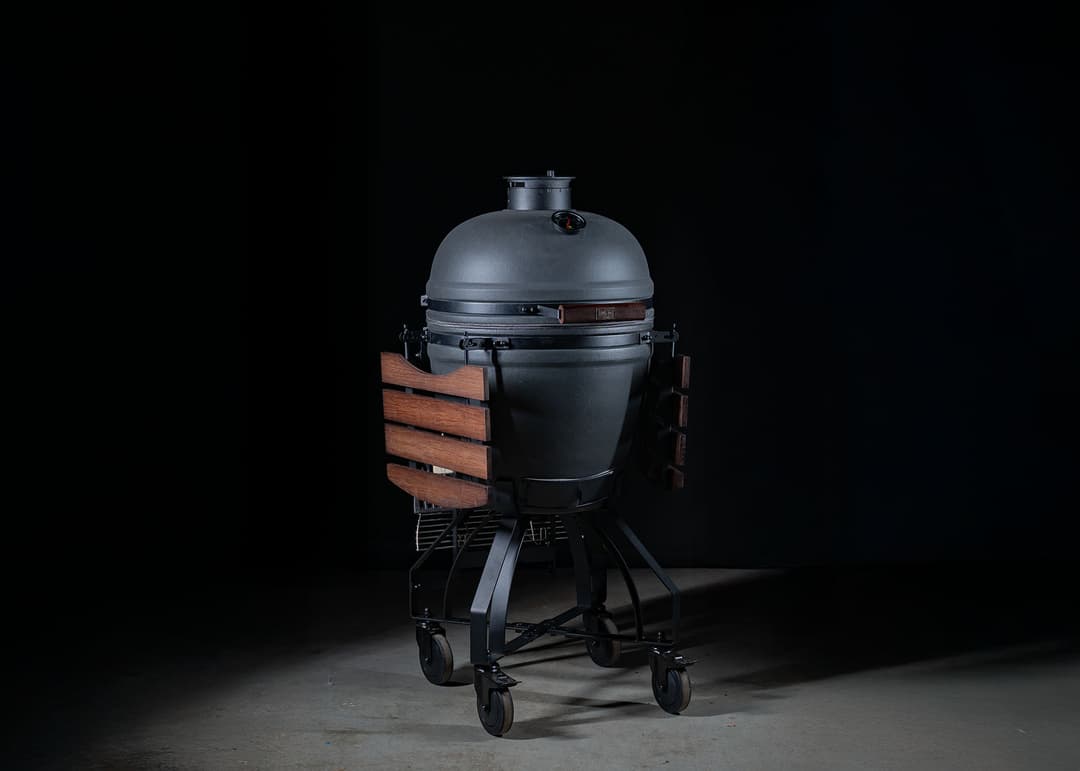 Large Kamado BBQ 21", Grill Bill Pro III1.499,-Pre-order · €200 off
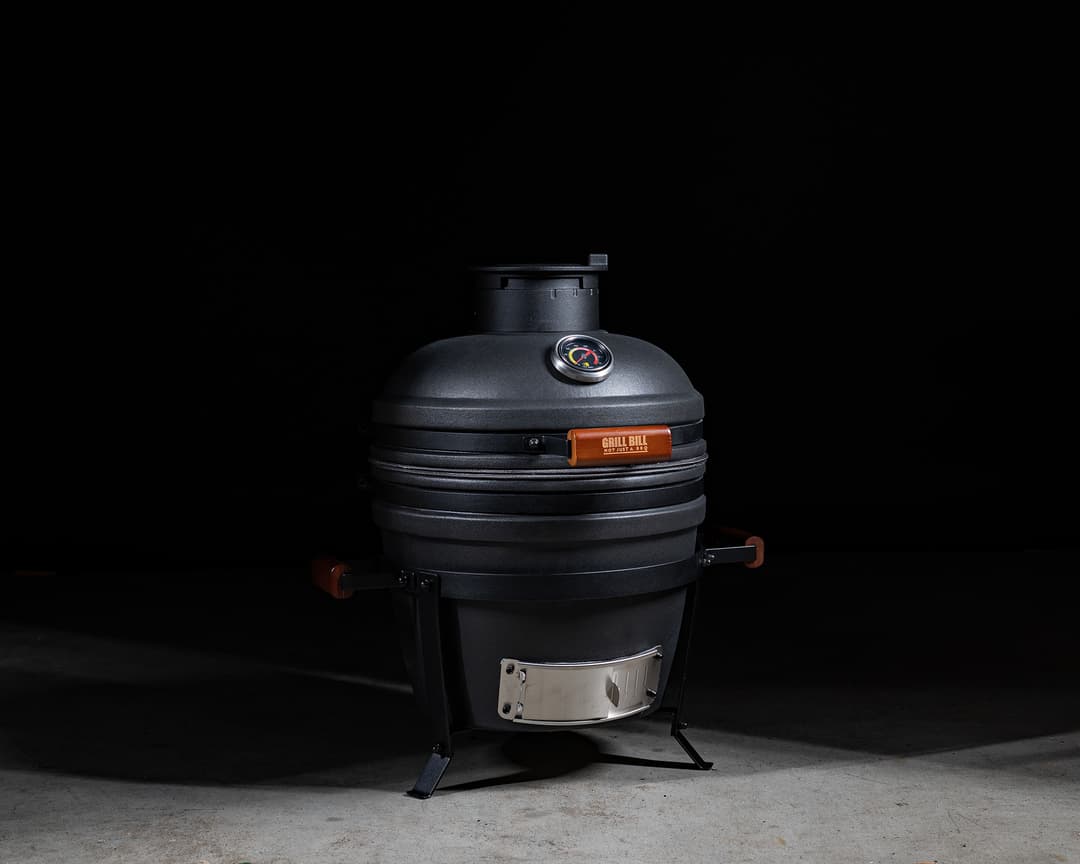 Medium Kamado BBQ 16", Grill Bill Pro III569,-
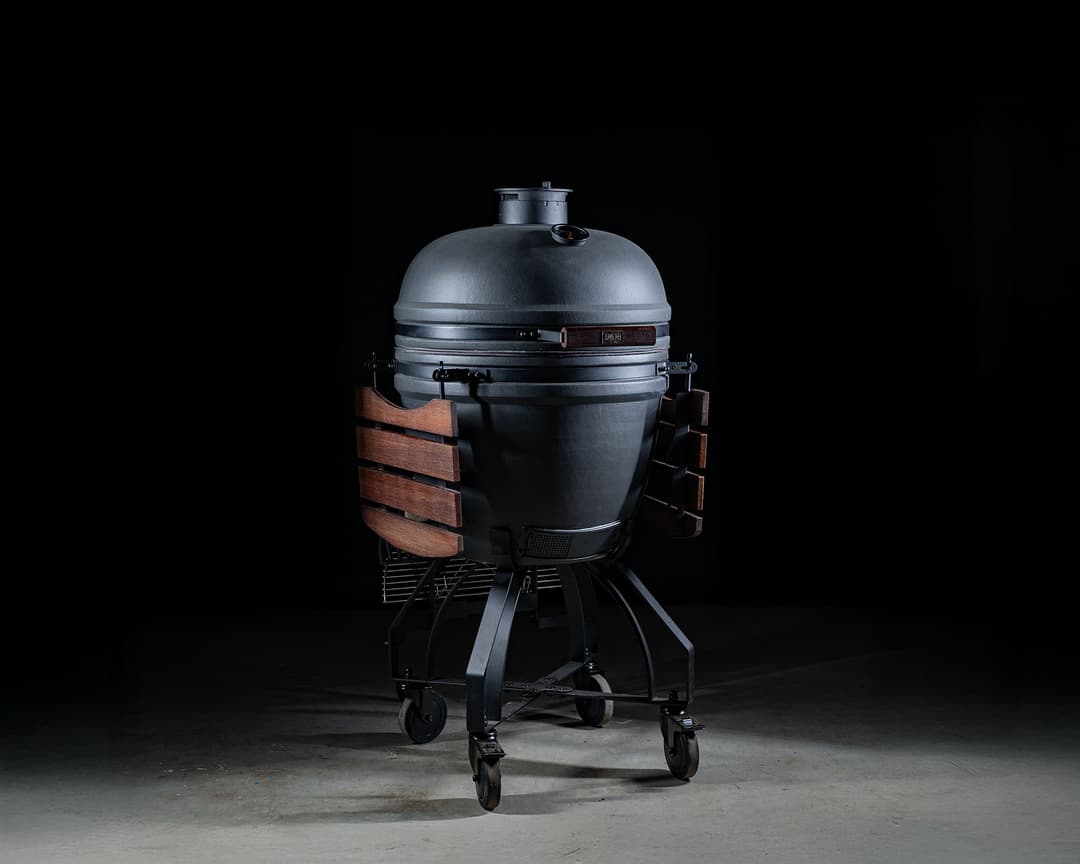 XL Kamado BBQ 23.5", Grill Bill Pro III1.599,-
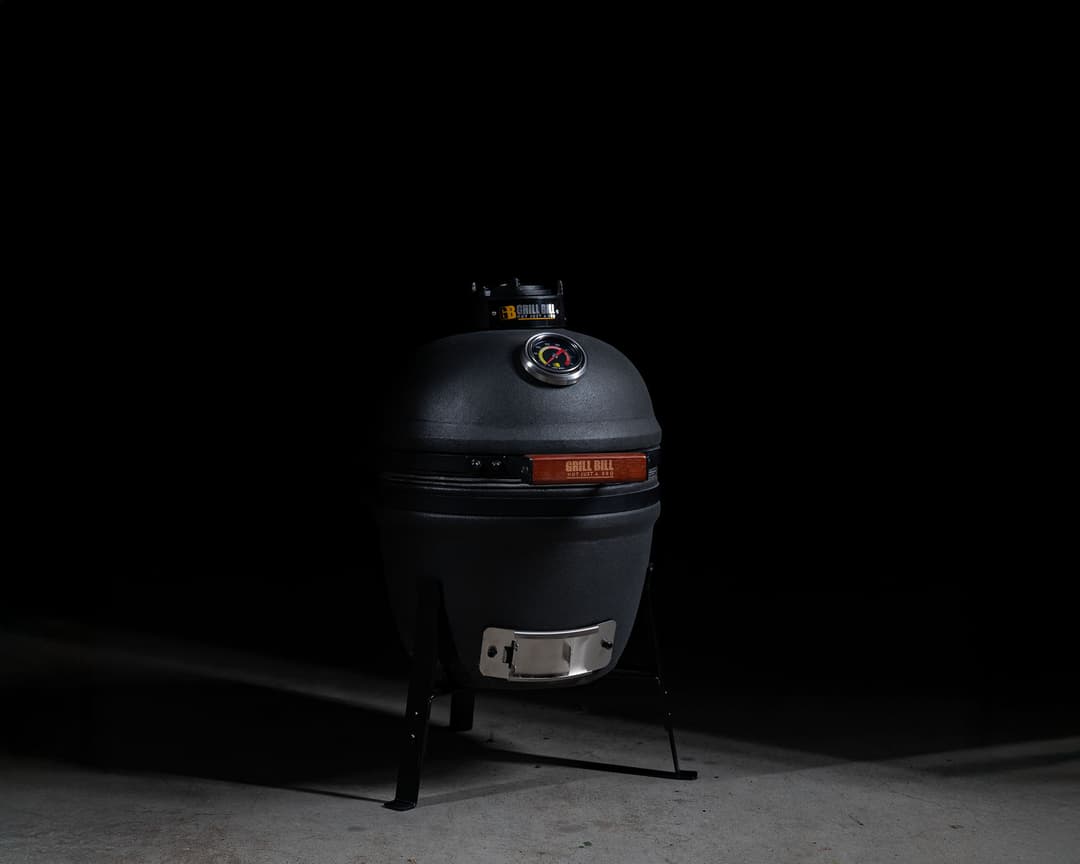 Small Kamado BBQ 13", Grill Bill Pro III249,-
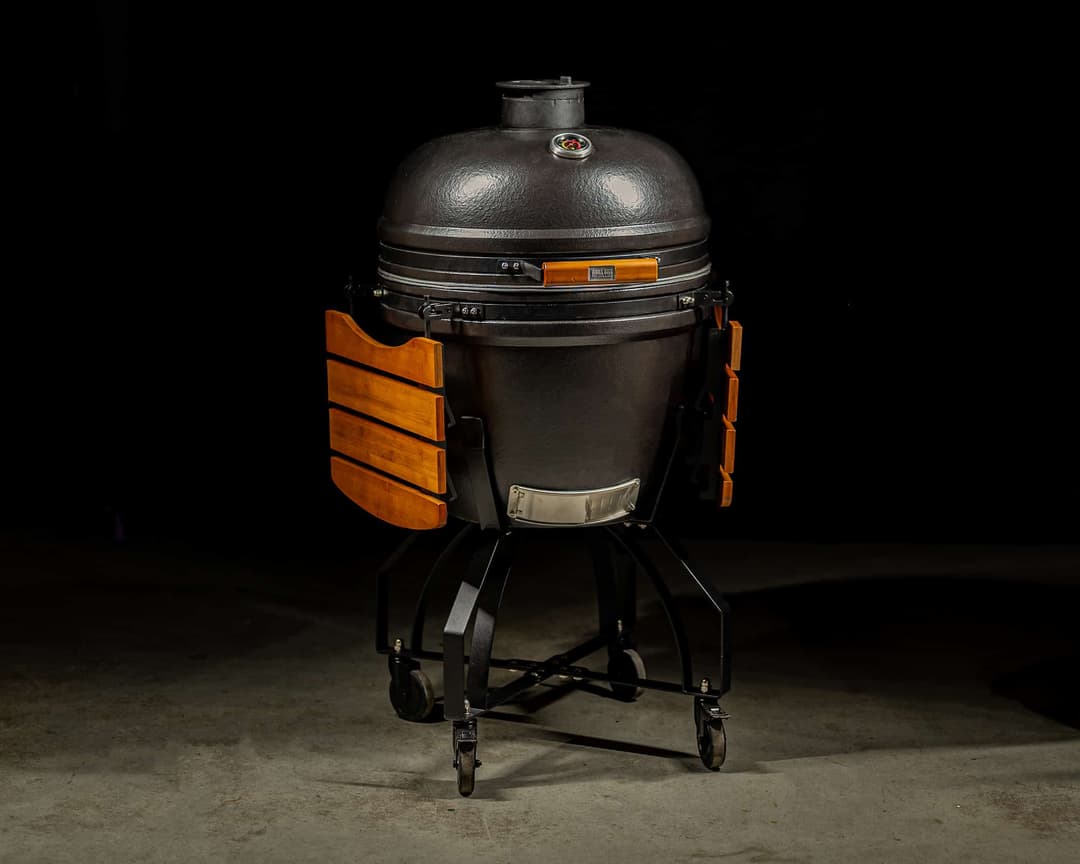 XL Kamado BBQ 23.5 inch, Grill Bill Pro II1.499,-
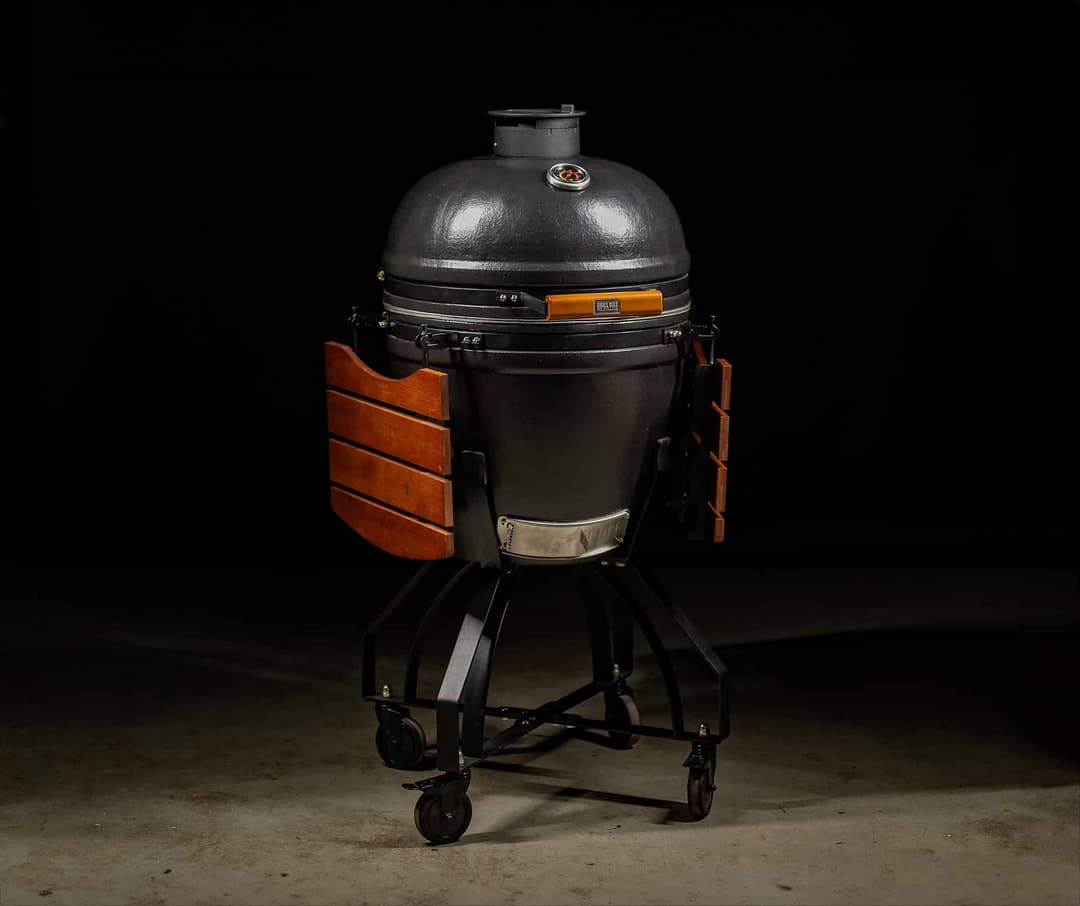 Large Kamado BBQ 21 inch, Grill Bill Pro II1.199,-
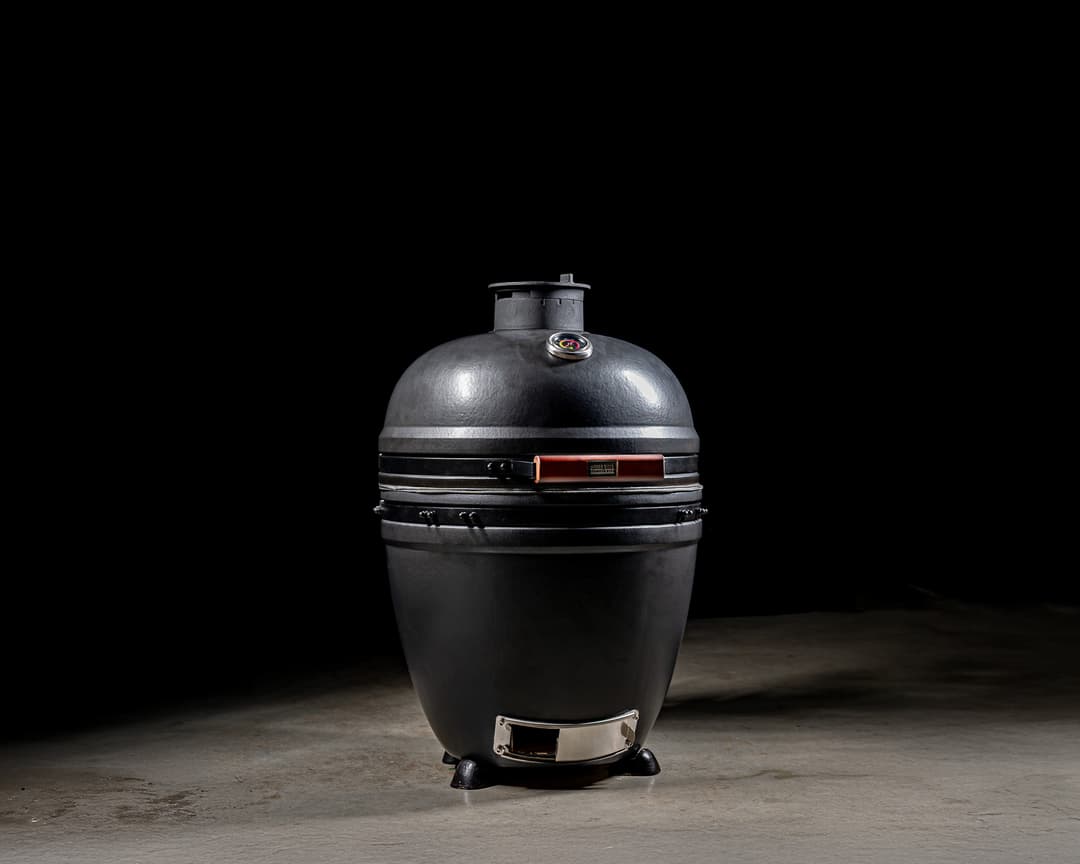 Large Kamado BBQ 21", Grill Bill Pro II - Solo1.049,-
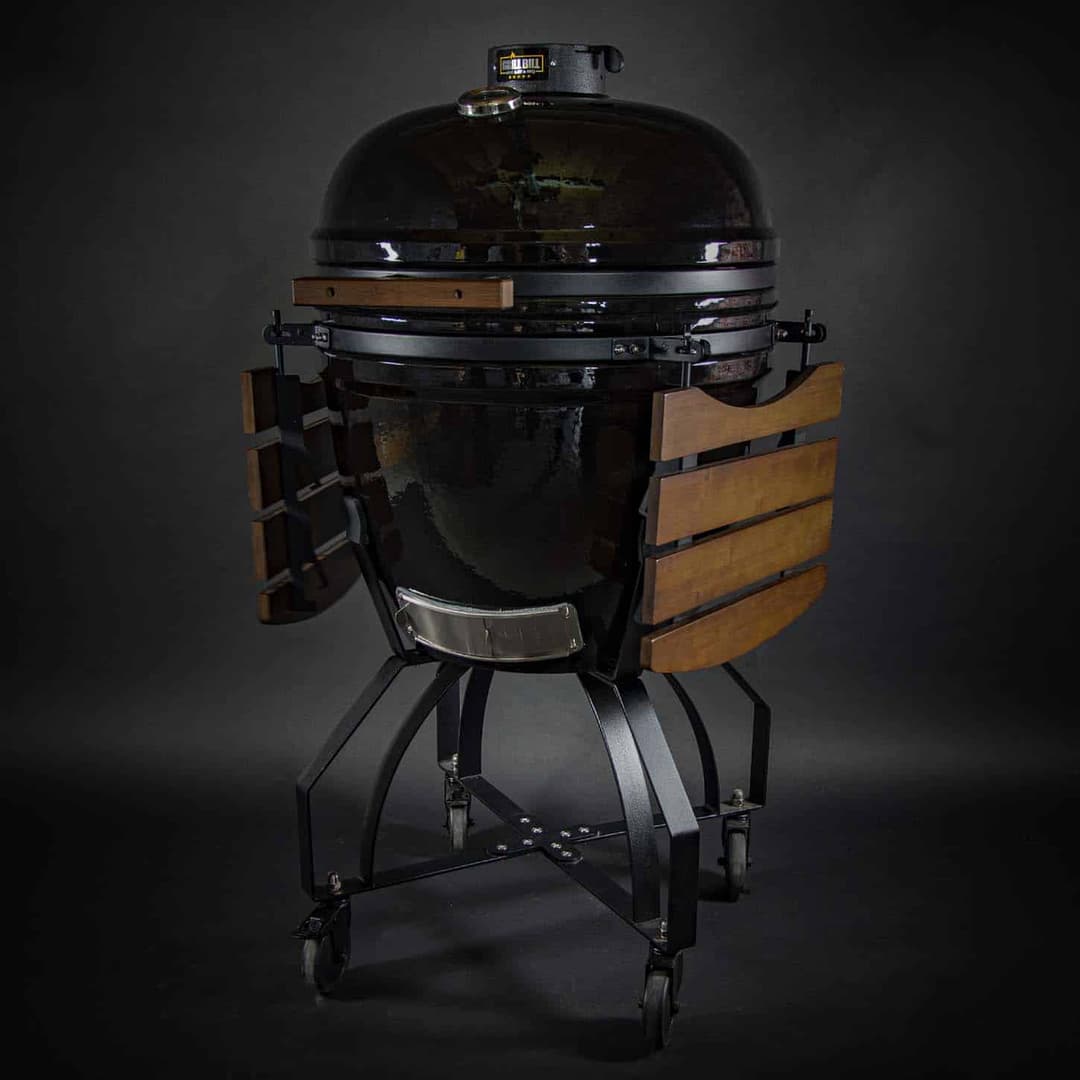 XL Kamado BBQ 23.5 inch, Grill Bill Classic Sr.899,-
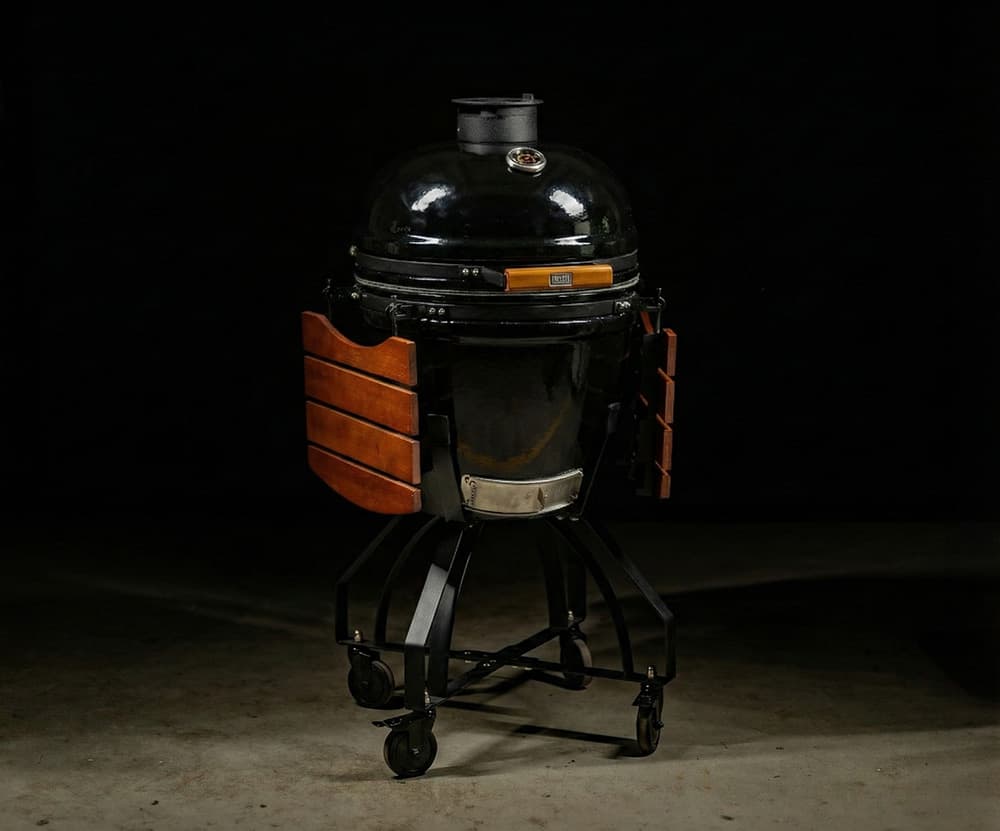 Large Kamado BBQ 21 inch, Grill Bill Classic799,-
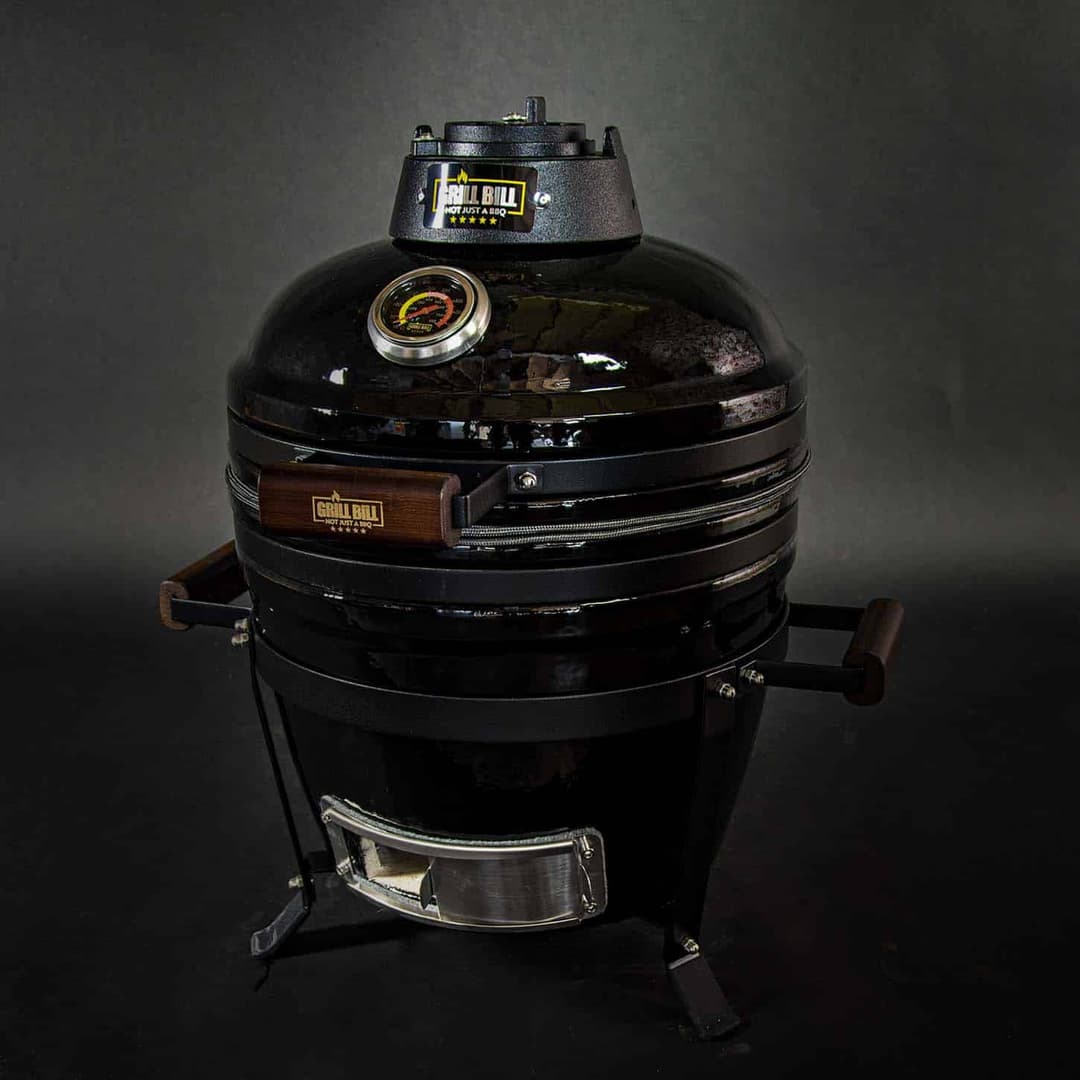 Medium Kamado BBQ 16 inch, Grill Bill Classic399,-Large Kamado BBQ 21" Solo, Grill Bill Pro III1.499,-
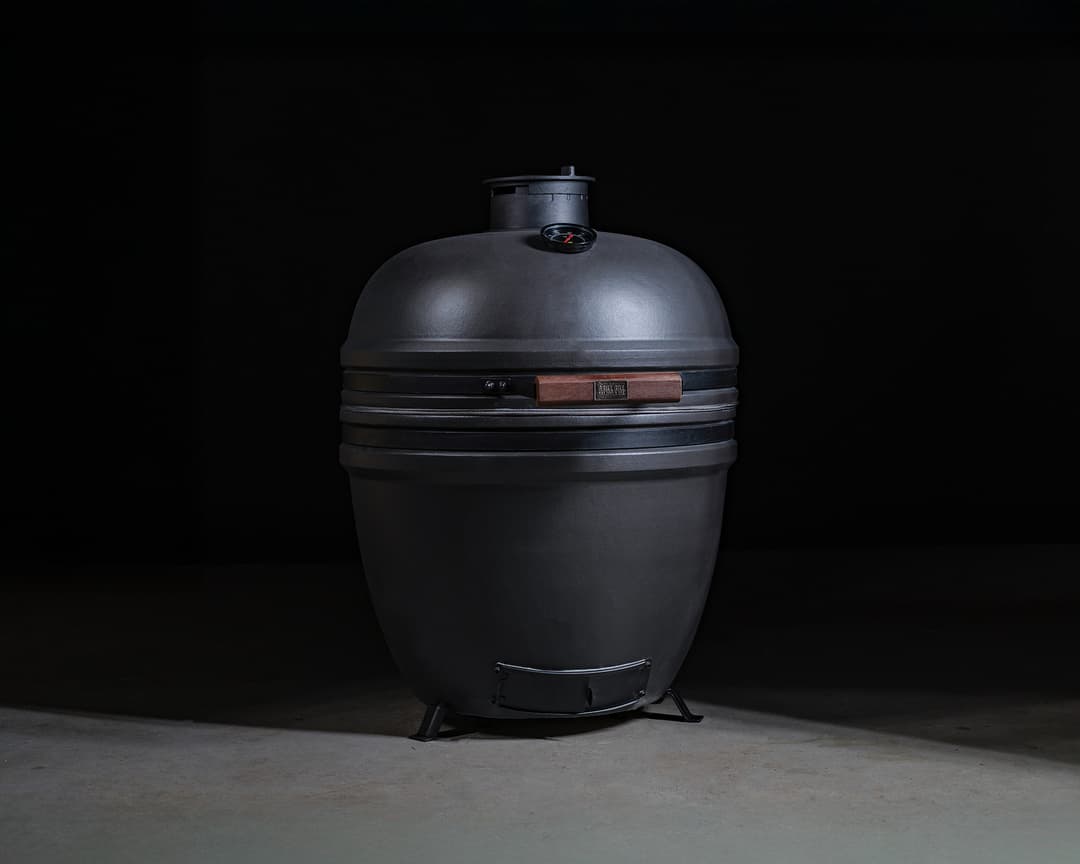 XL Kamado BBQ 23.5" Solo, Grill Bill Pro III1.499,-Large Kamado BBQ 21", Grill Bill Pro II - Solo1.049,-
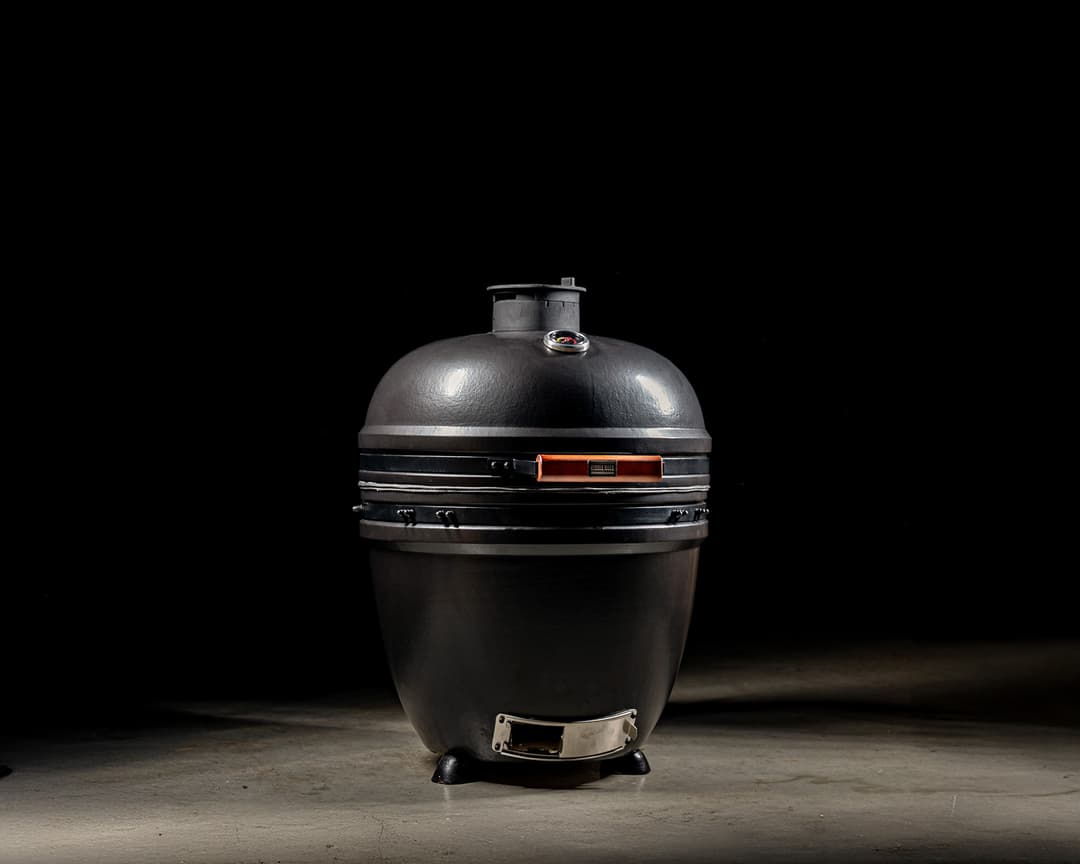 XL Kamado BBQ 23", Grill Bill Pro II - Solo1.149,-
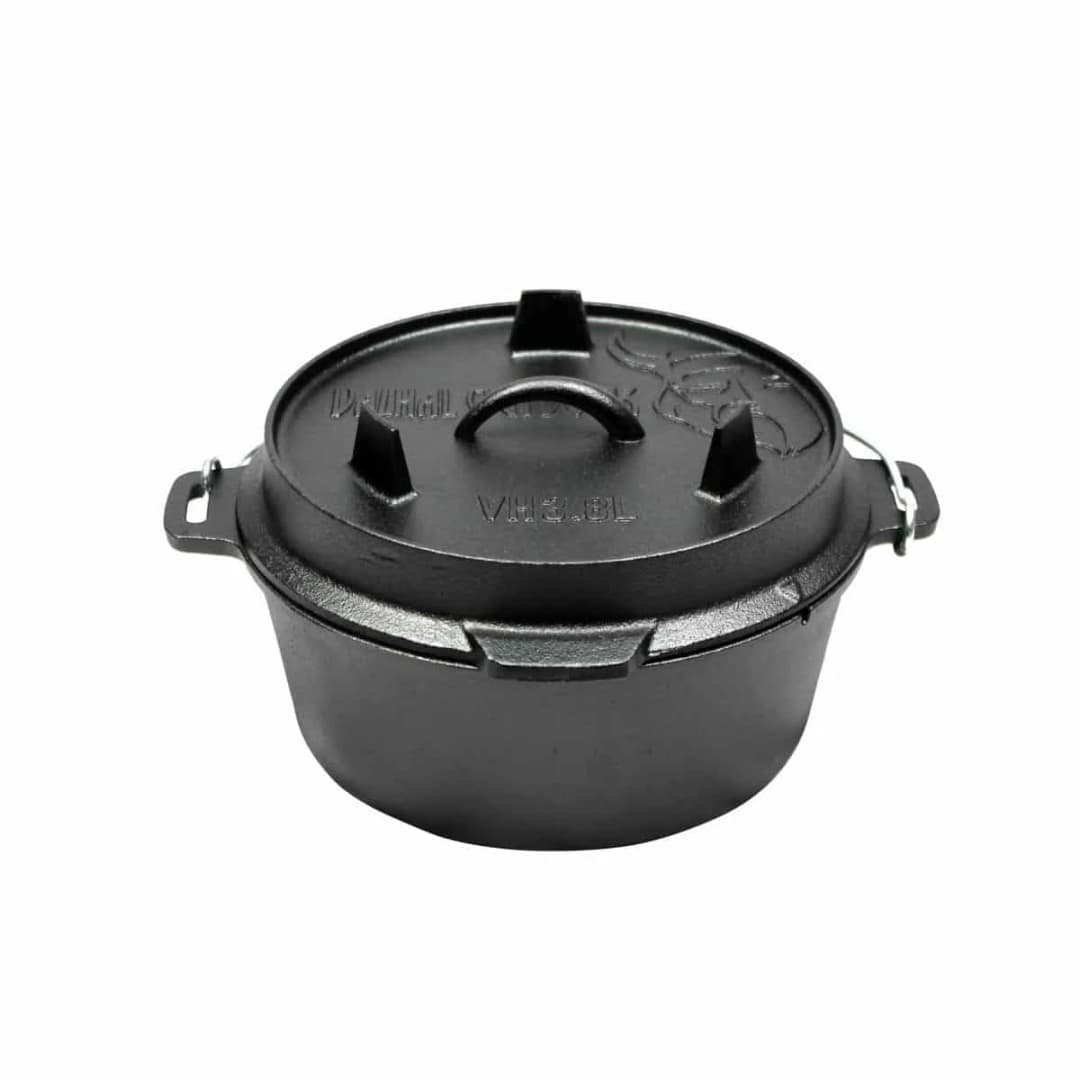 BBQ Cast IronView
 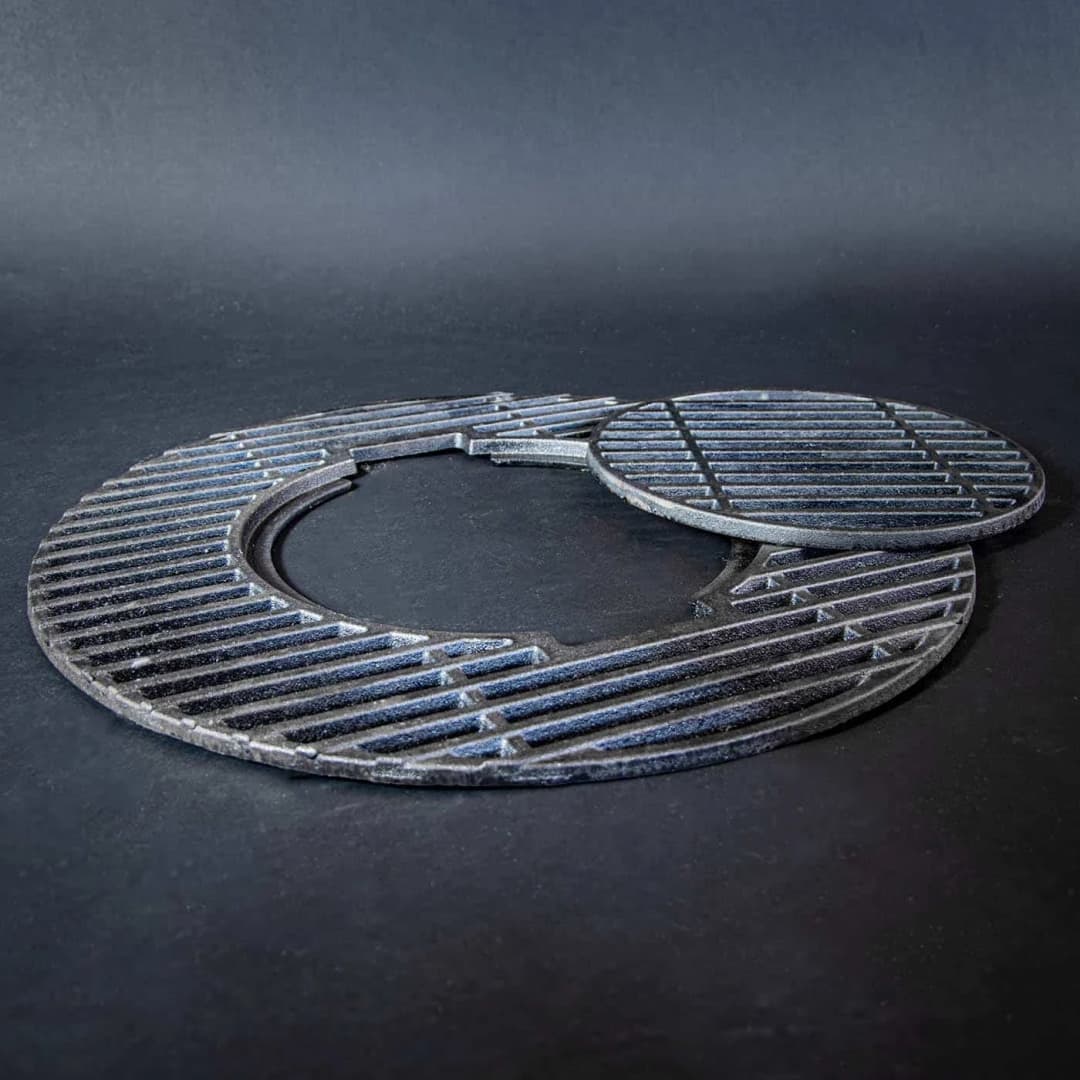 Cast Iron GratesView
 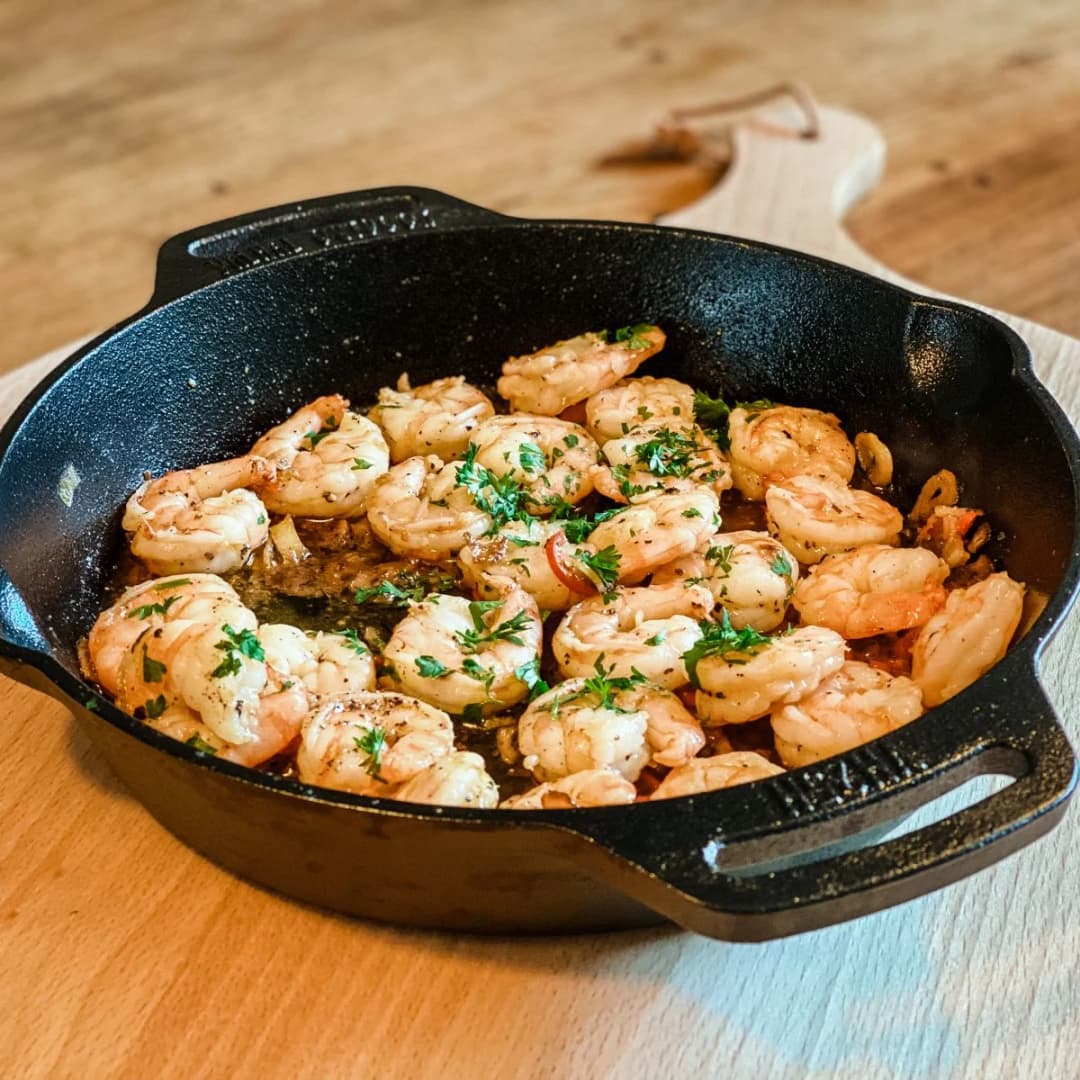 Cast Iron Skillet BBQView
  Dutch Oven BBQView
  Cast Iron AccessoriesView
  BBQ ToolsView
  ThermometersView
  CharcoalView
  FirestartersView
  Smoking WoodView
  Smoking Wood ChunksView
  Smoking Wood ChipsView
  Smoking DustView
  Smoking PlanksView
  Smoke PelletsView
 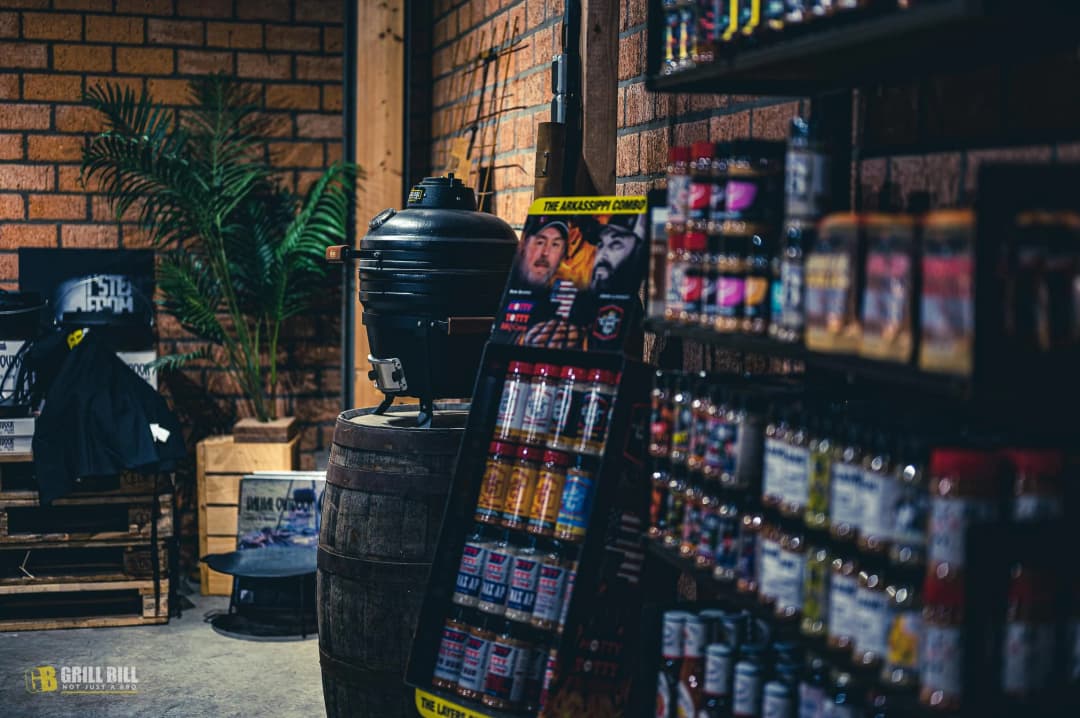 FlavoringsView
 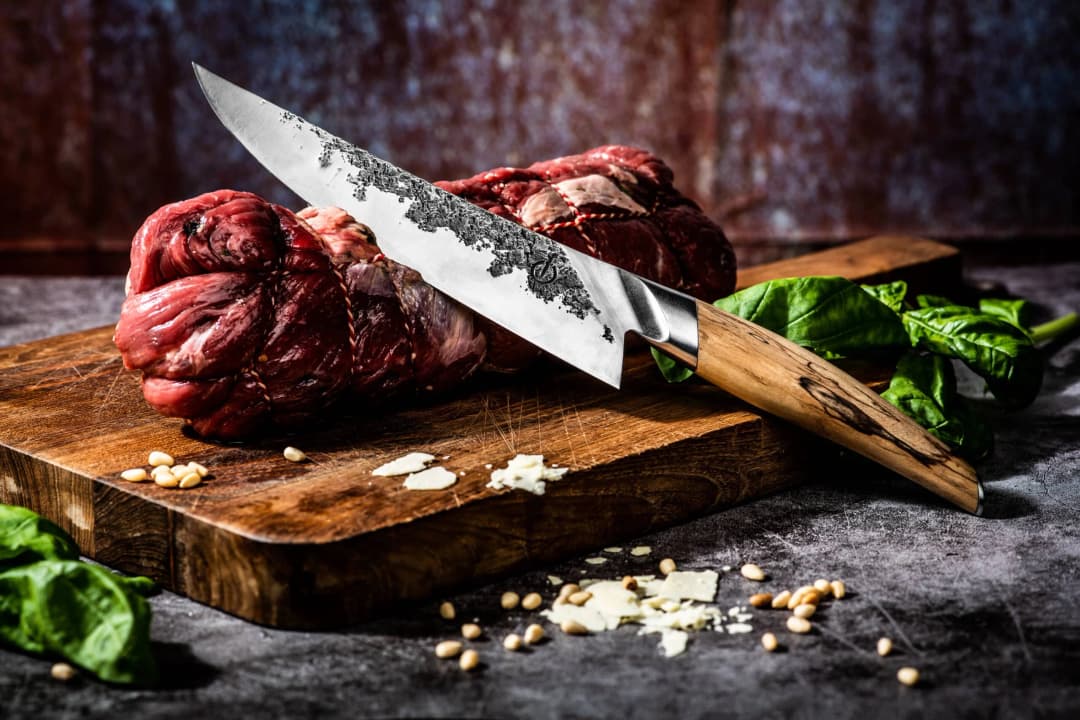 Knives & Cutting BoardsView
 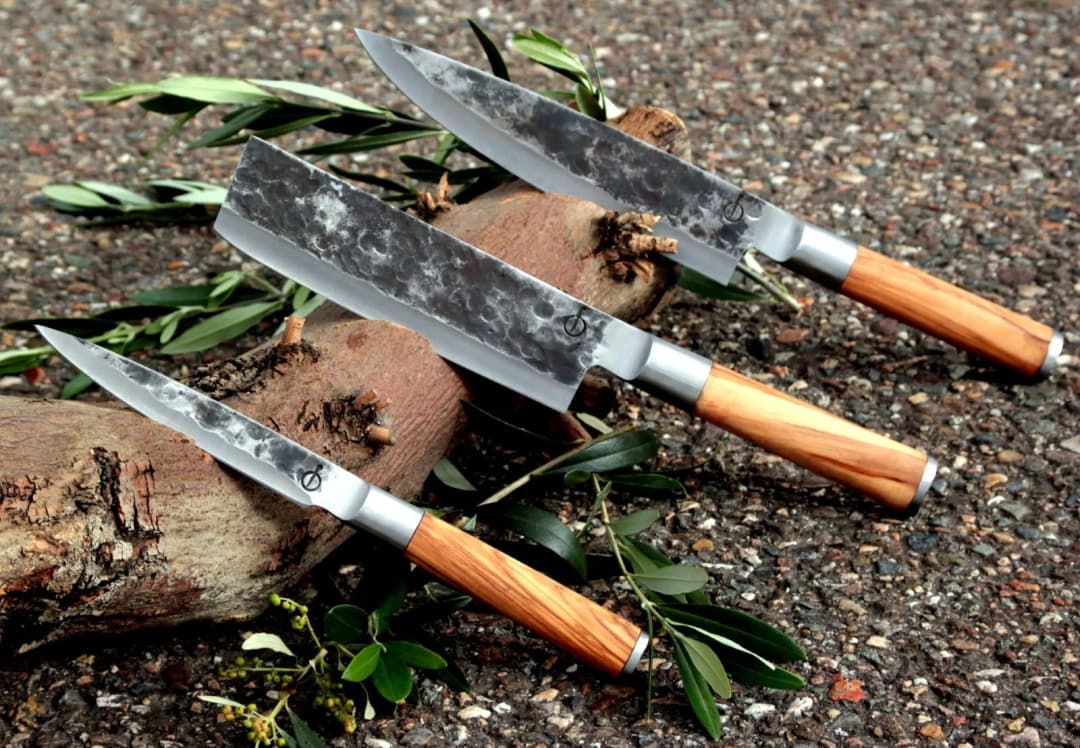 KnivesView
 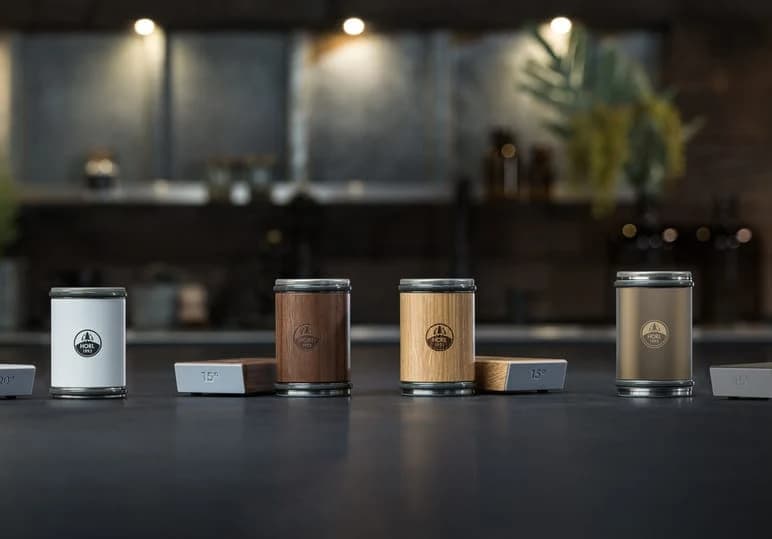 Horl Knife SharpenersView
 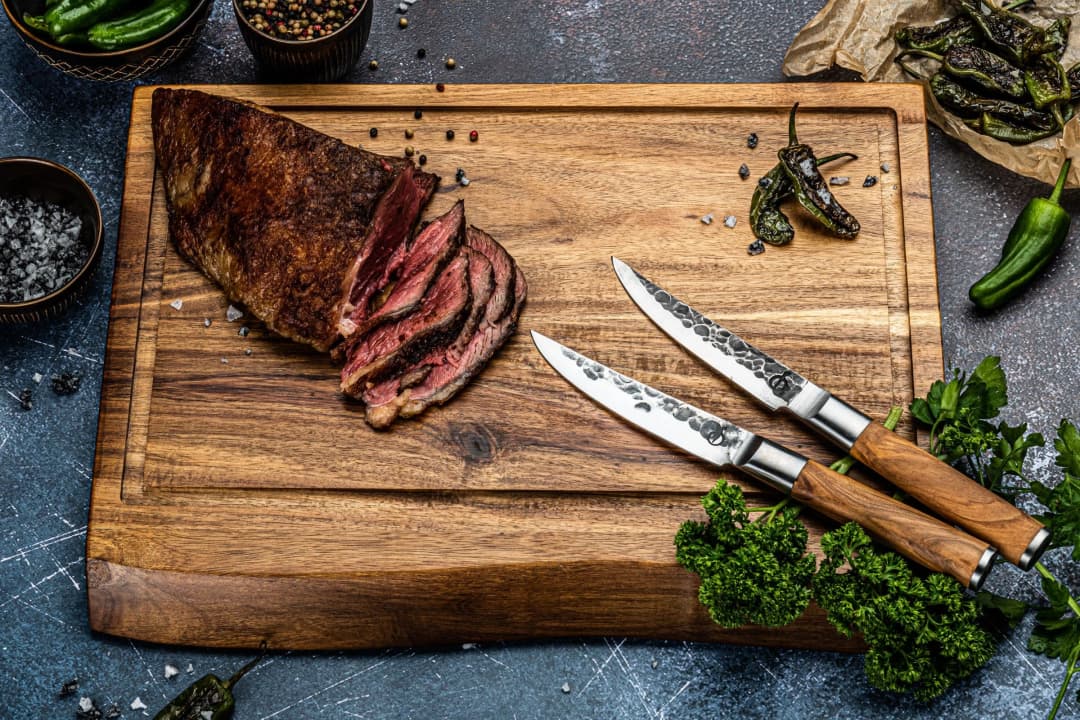 Cutting BoardsView
 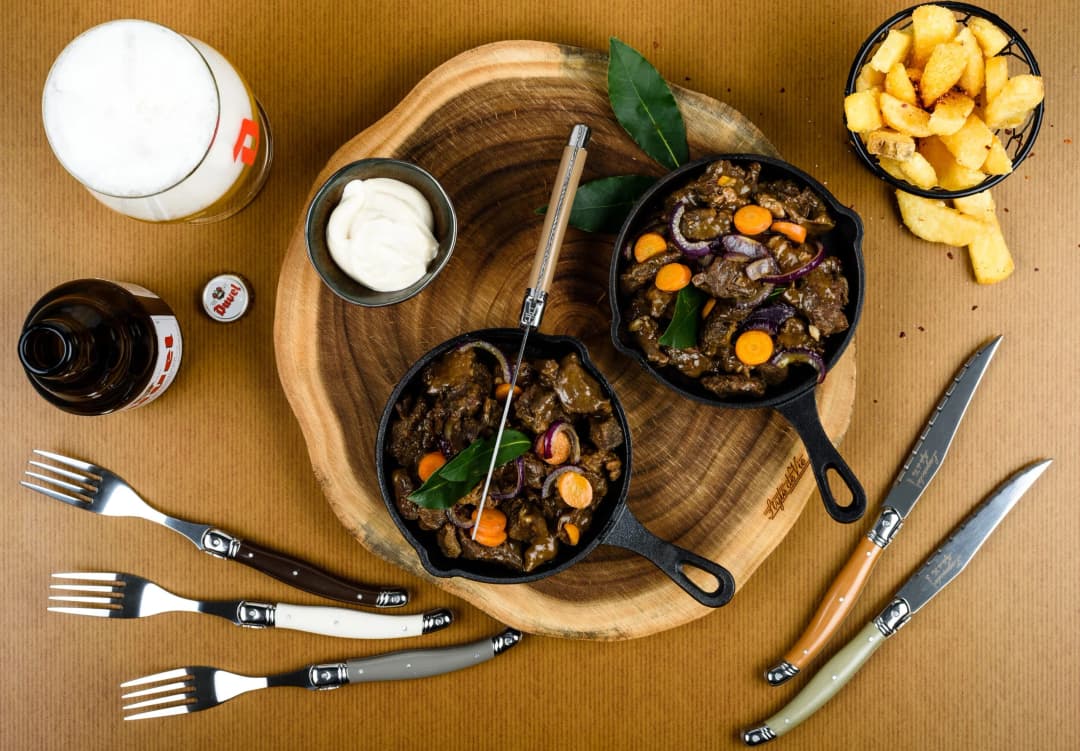 Serving Boards & Cutting BoardsView Medium Kamado BBQ 16", Grill Bill Pro III569,-Small Kamado BBQ 13", Grill Bill Pro III249,-Medium Kamado BBQ 16 inch, Grill Bill Classic399,-
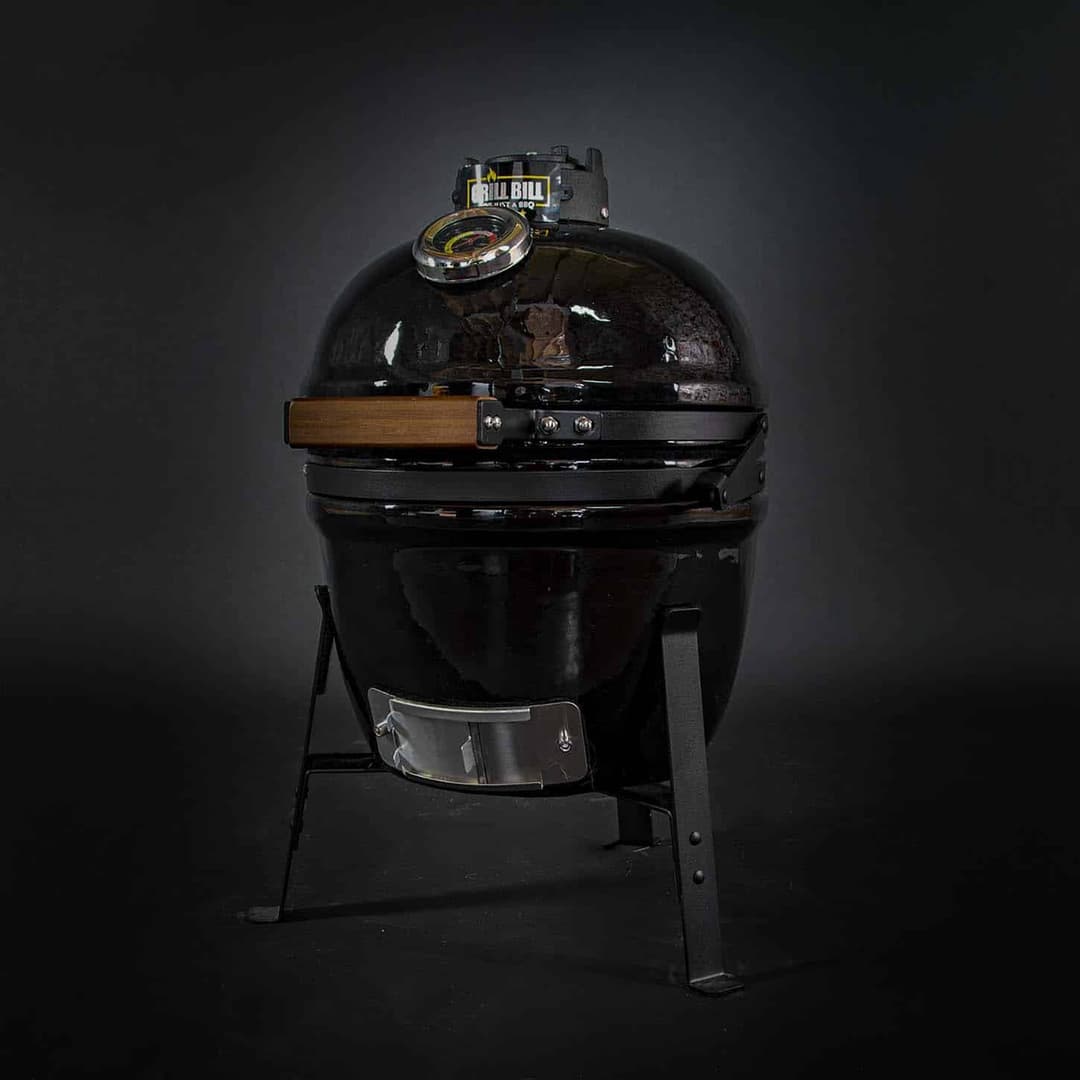 Small Kamado BBQ 13 inch, Grill Bill Classic Jr.189,-
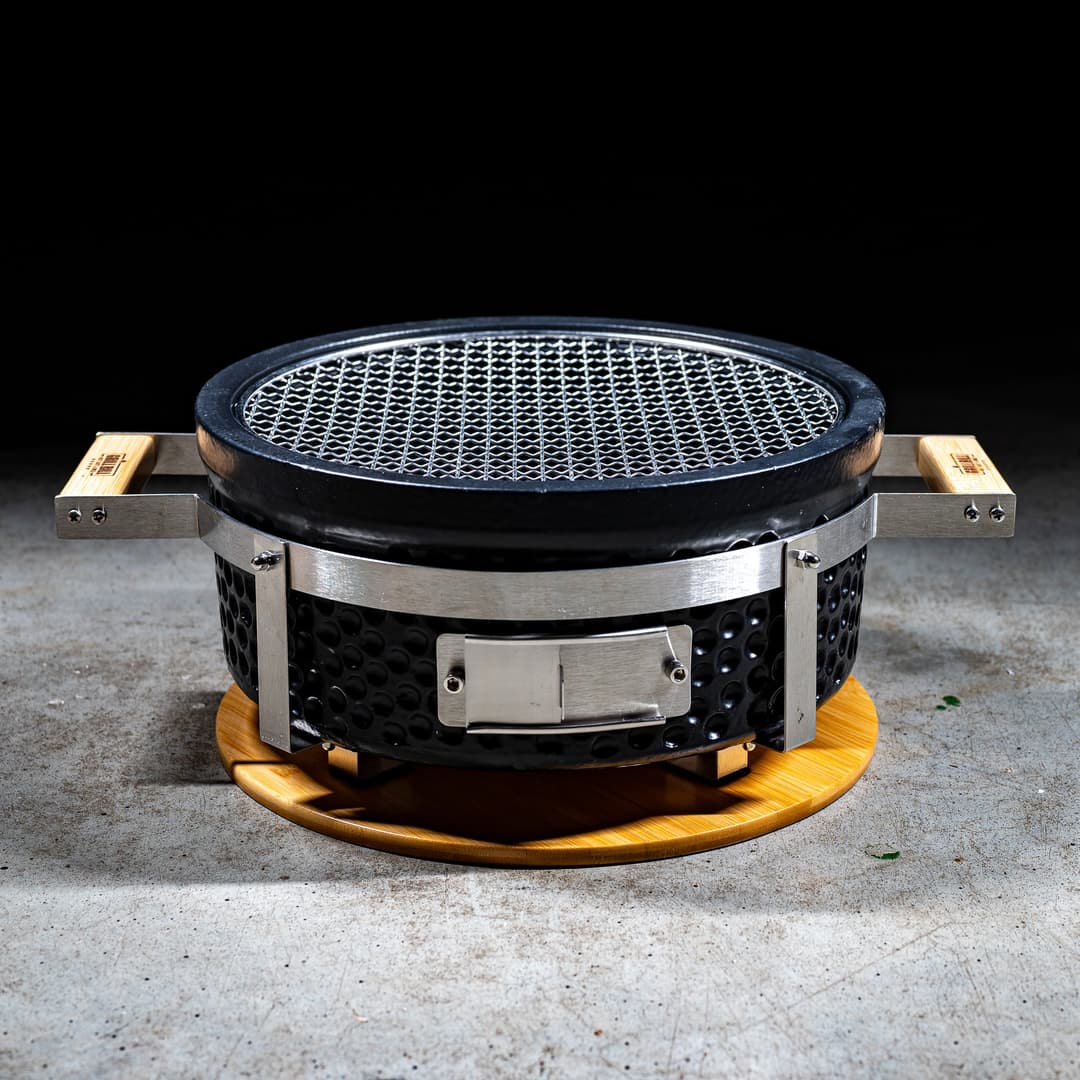 Japanese Shichirin Round Table Grill, Grill Bill225,-
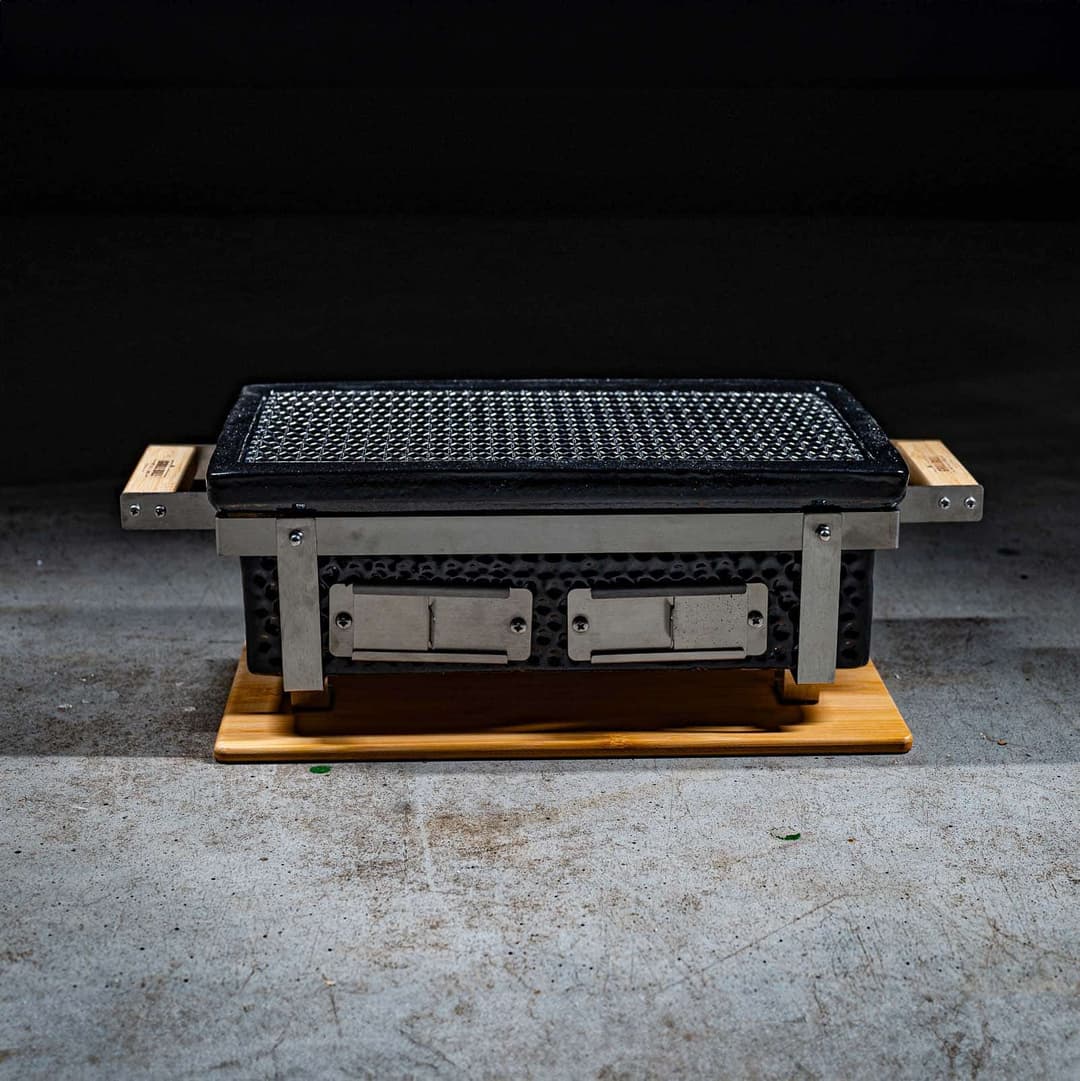 Japanese Shichirin Table Grill, Grill Bill199,-
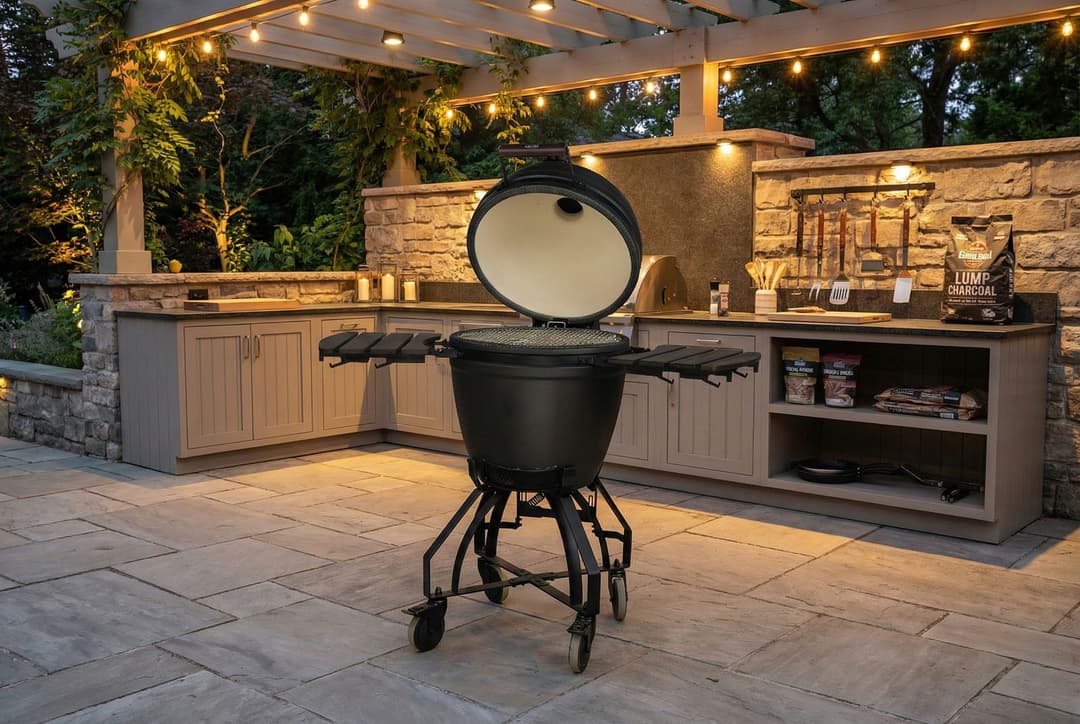 What is a kamado BBQ?
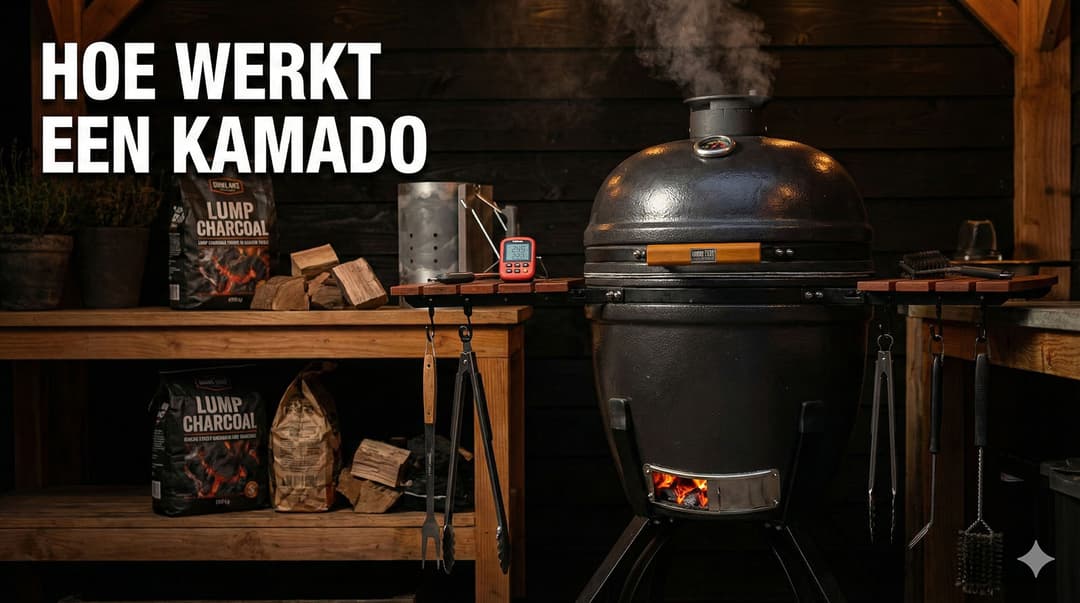 How does a kamado BBQ work?
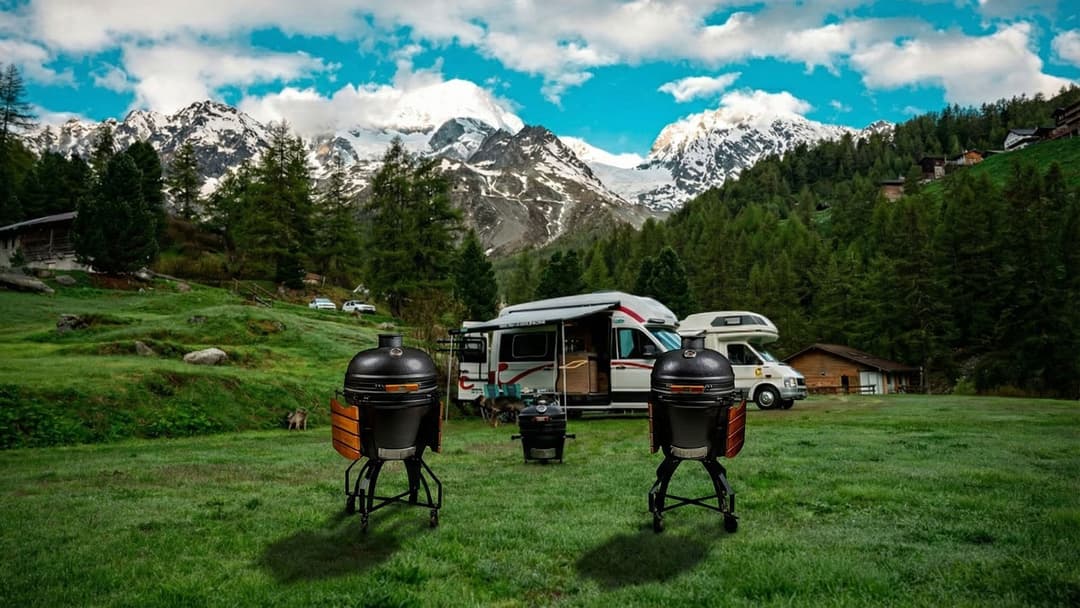 Which kamado suits you? How to start choosing
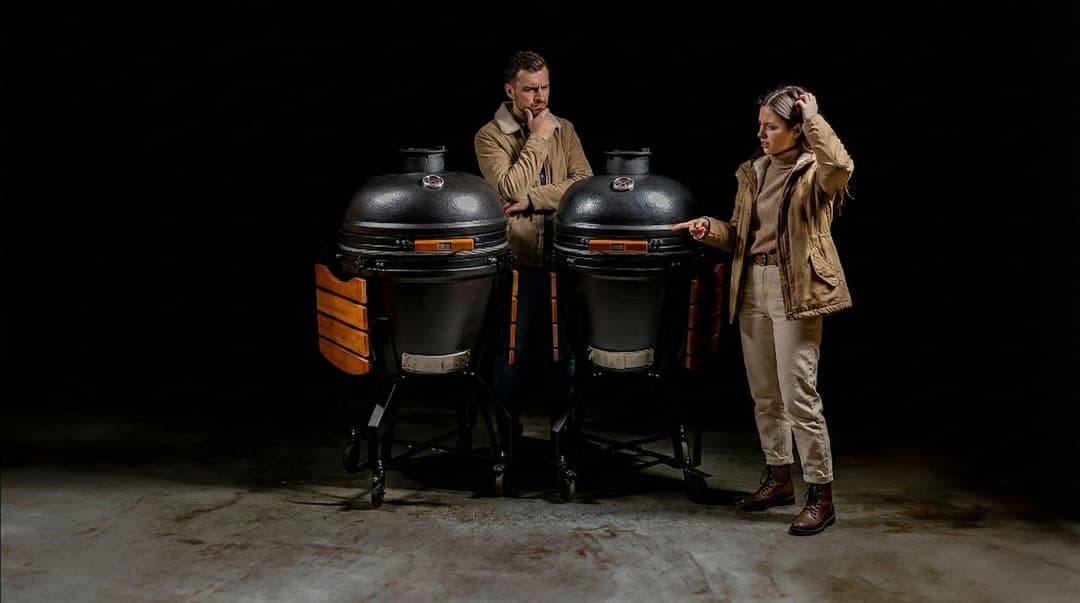 Which size kamado should I buy?
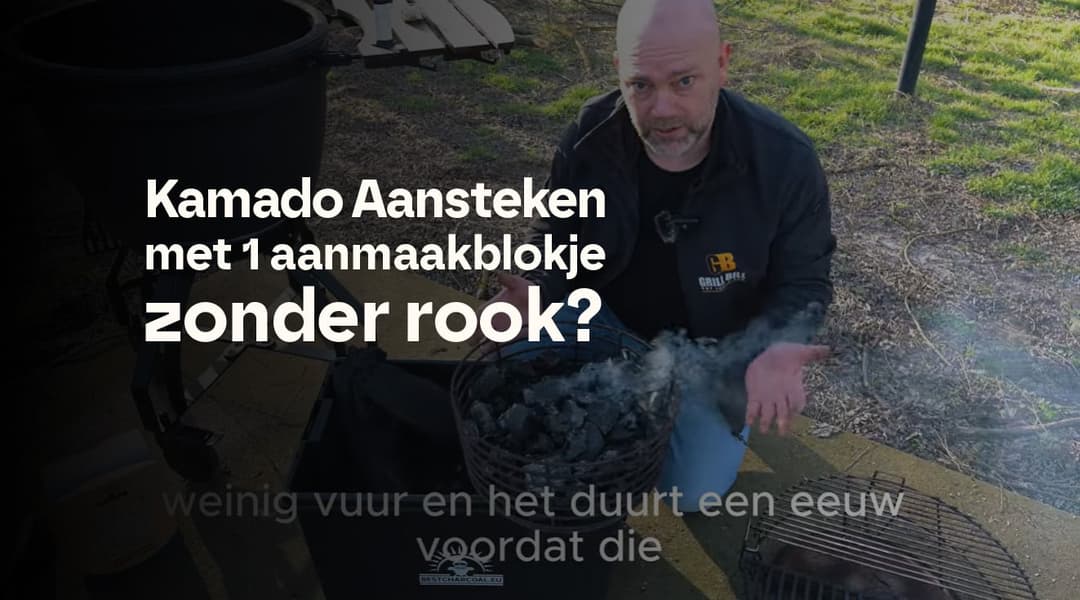 How do you light a kamado BBQ?
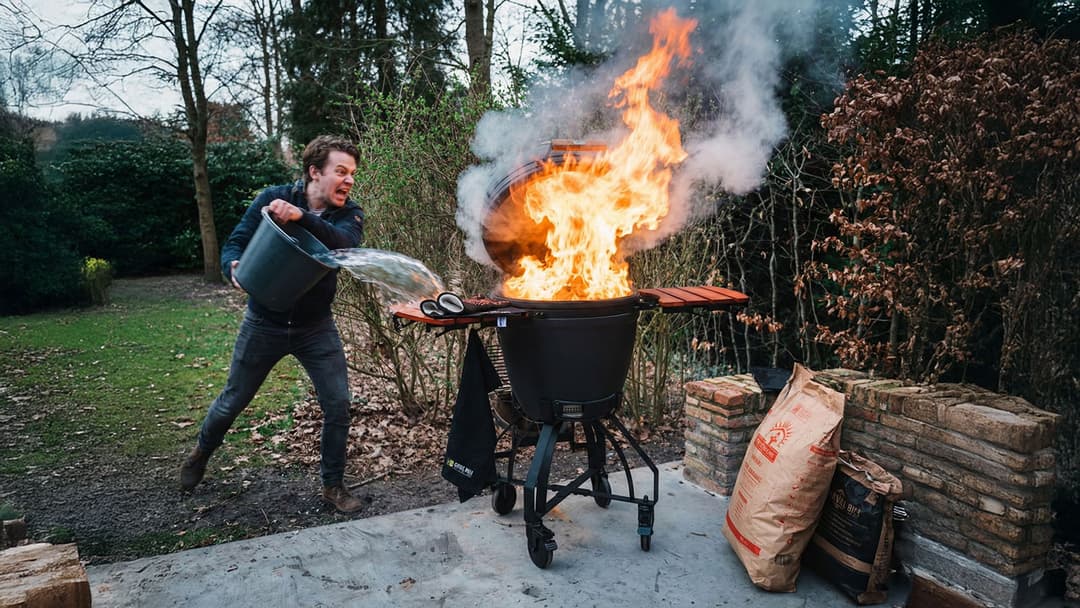 How do you put out a kamado, and cool it down fast?
These don't go into the kamado at 180 degrees. They're small text files that remember what's in your cart, so you don't have to search again.
With your OK we also measure how the site is used and show you ads elsewhere that fit you. For that we share data with 2 parties: Meta and Google. That way you won't see ads for gear you already own.
Rather not? Fine, everything keeps working. You can change your choice later via Cookies, at the bottom of every page.